
Politics
Mountain View to Transform Castro Street, Ending Vehicle Traffic

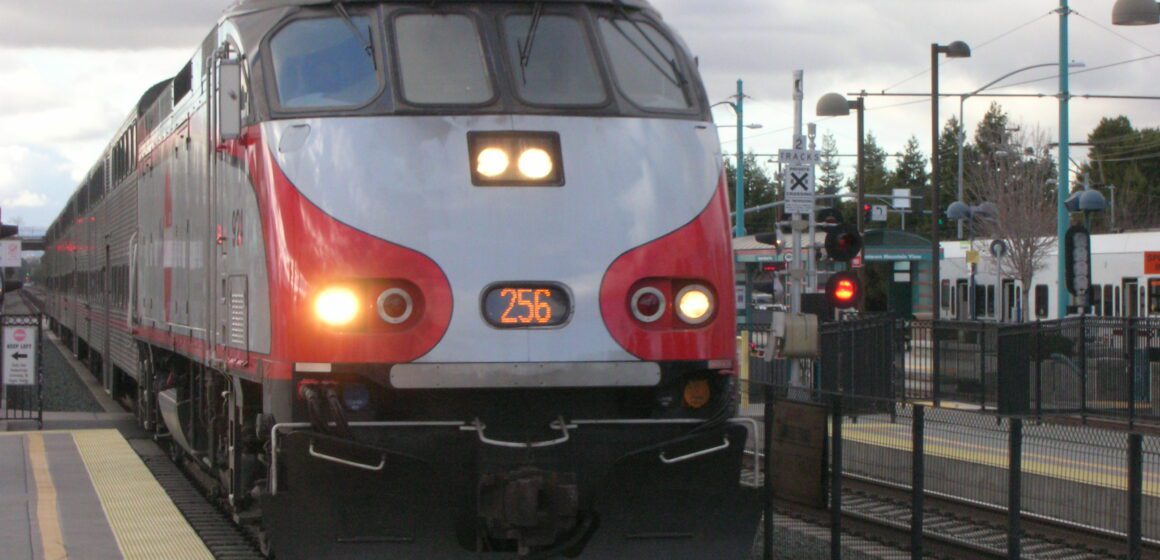
Mountain View’s Castro Street is set for a significant transformation that will eliminate all vehicle traffic crossing the Caltrain tracks. This change, reviewed by the city’s Council Transportation Committee on November 14, 2023, aims to enhance safety and improve traffic flow in a crucial area connecting public transit with downtown services.
The proposed project will redirect northbound traffic away from Castro Street towards Shoreline Boulevard via West Evelyn Avenue. Currently, southbound vehicles are already barred from crossing the tracks, a measure implemented at the onset of the COVID-19 pandemic. Bicyclists and pedestrians will still have access to cross the tracks at Castro Street, with plans for upgraded bike lanes and crosswalks.
Enhancing Transit Connectivity and Safety
The Castro Street intersection is a vital point in Mountain View, linking the Caltrain and VTA light rail service with downtown and major employment hubs to the north. According to a city staff report, more than 1,700 pedestrians and 800 bicyclists traverse the intersection daily.
For nearly a decade, the city has considered closing Castro Street at the tracks, converting it into a T-intersection to bolster traffic safety. The electrification of Caltrain and the anticipated increase in train service were expected to complicate traffic flow at this intersection. Closing the road to vehicles is projected to be more cost-effective than reconstructing the street beneath the tracks.
The abrupt decision to close sections of Castro Street to vehicle traffic during the pandemic has expedited the process, leading to the installation of temporary barricades and traffic signals that remain in place today. The latest proposed changes, which await final approval from the Mountain View City Council next year, aim to solidify some of these temporary measures into a permanent solution.
West Evelyn Avenue will feature an uninterrupted traffic flow in an “S” shape across Castro Street, with a protected bike lane for eastbound cyclists and a painted bike lane for those heading west. Additionally, West Evelyn Avenue will become one-way for vehicles from Hope Street to Wild Cherry Lane, enhancing safety for all road users.
Community Feedback and Future Plans
The Castro and Evelyn Interim Improvements Project carries an estimated cost of $6.6 million and represents just one aspect of broader changes planned for Castro Street and the downtown transit center. In contrast, the full Castro grade separation project, which includes a bike and pedestrian undercrossing beneath Central Expressway and the Caltrain tracks, has seen its cost projection rise from $136 million to $271 million in 2023.
During the November 14 meeting, both committee members and public speakers expressed general support for the proposed changes, while also emphasizing the need for further community engagement ahead of the final design. Adrian Brandt, a member of the Caltrain Citizens Advisory Committee, highlighted the potential for these interim measures to become permanent fixtures, given the uncertain timeline and funding for larger upgrades.
Councilmember and committee Chair John McAlister called for better data to support the placement of bike lanes and proposed restrictions on right turns at traffic signals. His concerns about the impact on local businesses stemmed from the plan to remove 12 parking spaces in the area, prompting a call for solutions that would preserve essential parking.
Concerns were also voiced regarding the limited upgrades for bicycle and pedestrian access on Moffett Boulevard between Central Expressway and Jackson Street. The city is currently developing a comprehensive plan for transportation improvements in the Moffett corridor, which will be considered in future projects.
The Bicycle and Pedestrian Advisory Committee has expressed dissatisfaction with the decision to funnel all bike and pedestrian traffic across the tracks on the east side of Castro Street. The city staff report indicated that Caltrain preferred maintaining a single at-grade crossing in this area, which has raised questions about accessibility and convenience for pedestrians and cyclists.
Committee member John Stone criticized this arrangement, suggesting it could hinder safe crossing and create a more pedestrian-unfriendly environment. He noted that the rationale for the change seemed insufficient and primarily based on Caltrain’s maintenance concerns.
As Mountain View moves forward with these critical changes to Castro Street, the focus remains on balancing safety, accessibility, and community needs in the ever-evolving landscape of urban transit.

Jen Psaki SLAMS Trump’s Claims on $1,776 Warrior Dividends

Paul McNeil Jr. Scores Career-High 47, Leads N.C. State to 108-72 Victory

Old Dominion Claims Cure Bowl Victory Over USF in 24-10 Showdown

Former Model Alleges Trump Groped Her at Trump Tower in 1993

SF9’s Inseong Sparks Outrage After Accidental Fan Insult

New York Approves 3 Casinos Amid Urgent Gambling Addiction Concerns

Texas Christkindl Market Marks 15 Years of Festive German Traditions

Rail Unions Oppose $85 Billion Merger, Cite Safety and Competition Concerns

Researchers Discover Ancient Elephant Footprints in Murcia Dunes

Send Holiday Parcels for £1.99 with New Comparison Service

University of Hawaiʻi Leads $25M AI Project to Monitor Natural Disasters

Interstellar Object 3I/ATLAS Emits Unique Metal Alloy, Says Scientist

Researchers Achieve Fastest Genome Sequencing in Under Four Hours

Iconic Sand Dollar Social Club Listed for $3 Million in Folly Beach

Afghan Refugee Detained by ICE After Asylum Hearing in New York

McEwen Inc. Secures Tartan Lake Gold Mine Through Acquisition

Peptilogics Secures $78 Million to Combat Prosthetic Joint Infections

Jump for Good: San Clemente Pier Fundraiser Allows Legal Leaps
-
 Lifestyle1 week ago
Send Holiday Parcels for £1.99 with New Comparison Service
-
Science2 months ago
University of Hawaiʻi Leads $25M AI Project to Monitor Natural Disasters
-
 Science2 months ago
Interstellar Object 3I/ATLAS Emits Unique Metal Alloy, Says Scientist
-
 Science2 months ago
Researchers Achieve Fastest Genome Sequencing in Under Four Hours
-
 Business2 months ago
Iconic Sand Dollar Social Club Listed for $3 Million in Folly Beach
-
 Politics2 months ago
Afghan Refugee Detained by ICE After Asylum Hearing in New York
-
 Business2 months ago
McEwen Inc. Secures Tartan Lake Gold Mine Through Acquisition
-
 Health2 months ago
Peptilogics Secures $78 Million to Combat Prosthetic Joint Infections
-
 Lifestyle2 months ago
Jump for Good: San Clemente Pier Fundraiser Allows Legal Leaps
-

 Science2 months ago
Mars Observed: Detailed Imaging Reveals Dust Avalanche Dynamics
-

 Health2 months ago
Researcher Uncovers Zika Virus Pathway to Placenta Using Nanotubes
-

 Entertainment2 months ago
Jennifer Lopez Addresses A-Rod Split in Candid Interview