
Politics
Supreme Court Declines to Hear Corner Crossing Case, Impacts Land Access

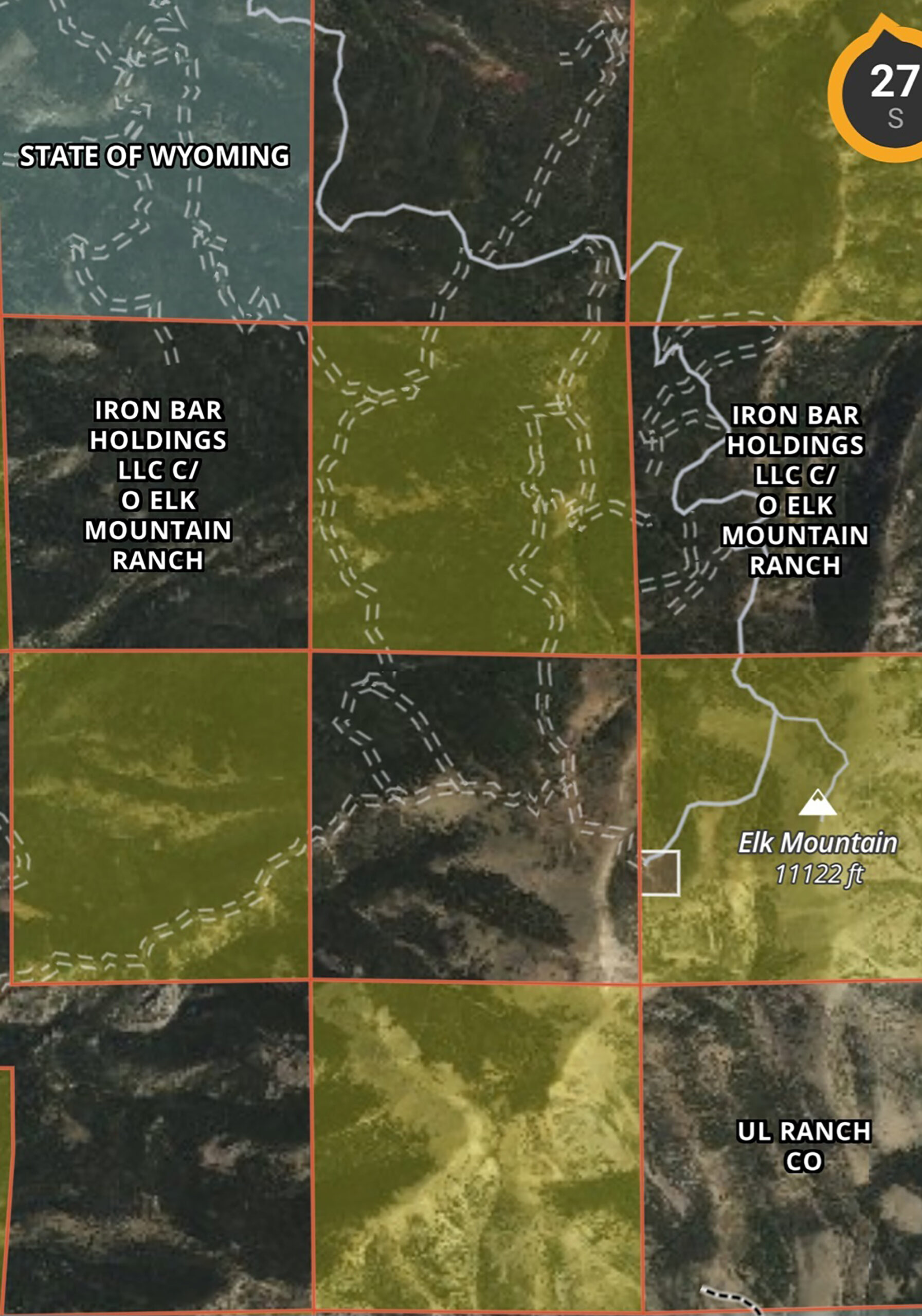
The U.S. Supreme Court has chosen not to hear an appeal regarding the legality of “corner crossing,” a practice employed by hunters to access landlocked federal property. This decision, announced on Monday, means that corner crossing remains legal in the 10th Circuit but continues to be a matter of uncertainty in other regions, including the 9th Circuit, which covers states such as Idaho.
Advocates for public land access had hoped the Supreme Court would clarify the legality of corner crossing nationwide. The case in question, Iron Bar Holdings LLC vs. Bradley H. Cape et al, was one of many rejected by the Supreme Court as it prepares for its upcoming session.
Bradley H. Cape, one of the hunters involved, expressed satisfaction with the decision but also conveyed a desire for the Supreme Court to ultimately resolve the issue. “We never thought one time that we were doing something wrong,” he stated in an interview with the nonprofit news organization WyoFile.
The legal debate over corner crossing centers on its definition. This practice involves stepping from one corner of a public land parcel to another when private land parcels are interspersed in a checkerboard pattern. In 2020 and 2021, hunters from Missouri used this method to reach a secluded section of public property managed by the U.S. Bureau of Land Management, which is surrounded by the private Iron Bar Ranch in Wyoming. While they did not physically step on the private land, they traversed the airspace above it.
The ranch’s owners sought criminal trespass charges against the hunters, but these were dismissed. Subsequently, the ranchers initiated a civil suit, alleging that the hunters had diminished the value of their property by $9 million. However, a district court rejected this claim in 2023, a decision later upheld by the 10th Circuit Court of Appeals in March.
The ranch owners subsequently appealed to the Supreme Court, hoping for a definitive ruling on the legality of corner crossing. The implications of this case are significant, as there are more than 8 million acres of federal land across the West that are surrounded by private land. This situation results from historical policies dating back to the mid-1800s, during which the federal government granted large tracts of land to railroad companies to promote rail line construction.
As the legal landscape surrounding corner crossing remains fluid, the absence of a Supreme Court ruling leaves many questions unanswered for both hunters and land access advocates. The implications of this decision are likely to resonate in ongoing discussions about public land use and access rights in the United States.

Urgent Tax Savings Alert: Maximize Deductions Before April 15

Trump’s Administration Faces Uncertainty Over Government Shutdowns

Cosmic Defects: The Mystery of the Universe’s Missing Anomalies

Rapid City Parks Department Opens Registration for Bocce Leagues

Samsung Galaxy Watch 9 to Feature Larger 435mAh Battery Soon

Two Dead After Student Boats Capsize Off Okinawa Coast

Healthy Choice Wellness Reports Earnings with Mixed Results

Prince Harry Positions Himself as Royal Family’s Image Reviver

All Points North Lodge Achieves FSPHP-ETA Accreditation

Send Holiday Parcels for £1.99 with New Comparison Service

University of Hawaiʻi Leads $25M AI Project to Monitor Natural Disasters

Maui County Reopens Upgraded Lānaʻi Fifth Street Courts Today!

Interstellar Object 3I/ATLAS Emits Unique Metal Alloy, Says Scientist

Kelly McCreary Discusses Future of Maggie and Winston in Grey’s Anatomy

Daily Codeword Puzzle Launches on October 21, 2025

Congresswoman Under Fire for Misleading Epstein Donation Claims

Trump Vows to Resolve Afghanistan-Pakistan Crisis “Very Quickly”

Researchers Achieve Fastest Genome Sequencing in Under Four Hours
-
 Lifestyle4 months ago
Send Holiday Parcels for £1.99 with New Comparison Service
-
Science5 months ago
University of Hawaiʻi Leads $25M AI Project to Monitor Natural Disasters
-
 Top Stories4 months ago
Maui County Reopens Upgraded Lānaʻi Fifth Street Courts Today!
-
 Science6 months ago
Interstellar Object 3I/ATLAS Emits Unique Metal Alloy, Says Scientist
-
 Entertainment6 months ago
Kelly McCreary Discusses Future of Maggie and Winston in Grey’s Anatomy
-
 Entertainment6 months ago
Daily Codeword Puzzle Launches on October 21, 2025
-
 Lifestyle5 months ago
Congresswoman Under Fire for Misleading Epstein Donation Claims
-
 Top Stories5 months ago
Trump Vows to Resolve Afghanistan-Pakistan Crisis “Very Quickly”
-
 Science6 months ago
Researchers Achieve Fastest Genome Sequencing in Under Four Hours
-

 Business6 months ago
Iconic Sand Dollar Social Club Listed for $3 Million in Folly Beach
-

 Politics6 months ago
Afghan Refugee Detained by ICE After Asylum Hearing in New York
-

 Science4 months ago
Charles Darwin’s Address Book Reveals Hidden Aspects of His Life