
Politics
Trump Warns Iraq Against Reinstating Al-Maliki Amid Tensions

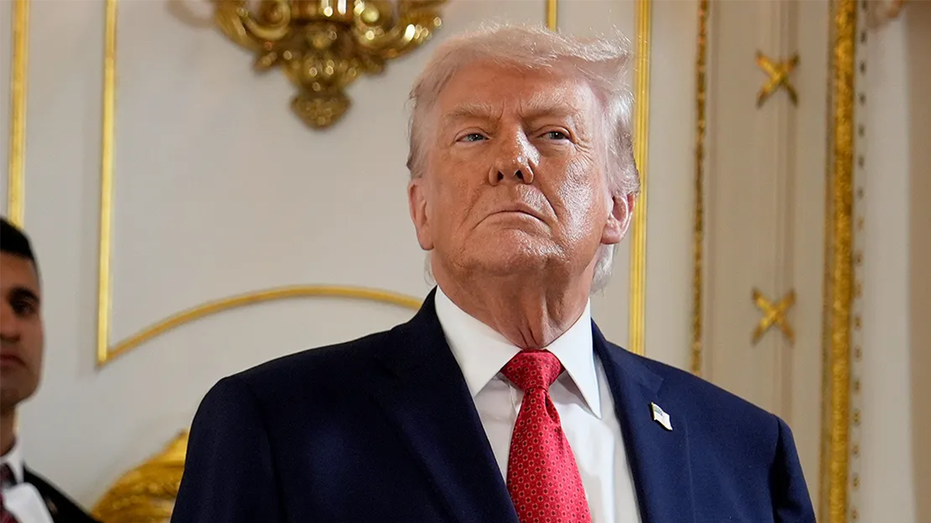
President Donald Trump has issued a stark warning to Iraqis regarding the potential reinstatement of former Prime Minister Nouri al-Maliki, citing concerns over corruption and mismanagement during his previous term. On March 15, 2024, Trump took to the Truth Social platform to express his discontent, stating, “I’m hearing that the Great Country of Iraq might make a very bad choice by reinstalling Nouri al-Maliki as Prime Minister.” He emphasized that if al-Maliki returns to power, the United States would withdraw its support, jeopardizing Iraq’s future prospects for success and freedom.
The announcement comes as Iraq prepares for a parliamentary session to elect a new president, who will subsequently appoint the prime minister. However, the session was canceled due to a lack of quorum, highlighting ongoing political instability.
Trump’s comments reflect the U.S. administration’s strong opposition to al-Maliki’s bid for a third term, primarily due to his close ties with Iran. The U.S. State Department has labeled Iran a state sponsor of terrorism, and officials are concerned that a pro-Iran government would not prioritize Iraq’s interests, potentially leading to further regional conflict. Secretary of State Marco Rubio recently conveyed these concerns to caretaker Prime Minister Mohammed al-Sudani, emphasizing that an Iranian-controlled government could hinder Iraq’s development and sovereignty.
Al-Maliki, who served as prime minister from 2006 to 2014, is widely criticized for his handling of sectarian violence and economic instability. His government faced accusations of failing to create an inclusive political environment, favoring Shiite Muslims while marginalizing Sunni Muslims and Iraqi Kurds. In response to Trump’s remarks, al-Maliki rejected what he termed “blatant American interference” in Iraq’s internal affairs, asserting that such actions violate the country’s sovereignty.
Political Dynamics and Iranian Influence
The political landscape in Iraq is closely monitored by Iran, which seeks to maintain its influence in the region following the recent Gaza conflict. Analysts suggest that Iran’s involvement in Iraqi politics is significant, particularly in light of al-Maliki’s renewed candidacy. Following the November 2025 parliamentary elections, where al-Sudani’s coalition won the most seats, al-Maliki has regained momentum, supported by the Coordination Framework, a coalition of Shia parties.
Entifadh Qanbar, a former spokesman for Iraq’s deputy prime minister, detailed how Iran’s influence is deeply embedded in Iraqi politics, stating, “Ayatollah Khamenei personally ‘blessed’ Nouri al-Maliki’s nomination.” Qanbar criticized the electoral process, describing it as a system designed to ensure that Iran’s proxies prevail without facing genuine opposition. He likened Iraqi elections to a match with only one team allowed on the field, warning that the U.S. may overlook these structural manipulations.
Furthermore, a Kurdish official corroborated Qanbar’s assessment, noting that Iran’s proxies have increased their presence in the Iraqi government under al-Sudani. “Iran’s proxies have doubled on the state payroll and receive over $3 billion a year,” the official reported, highlighting the considerable financial backing Iran provides to its affiliates in Iraq.
Implications for U.S.-Iraq Relations
Trump’s threats to withdraw U.S. support could have profound implications for Iraq’s stability. The U.S. has historically played a crucial role in Iraq’s post-Saddam development, providing military and economic assistance. Should al-Maliki regain power, the U.S. may reassess its engagement in the region, fearing that a government aligned with Iran would undermine efforts to promote democracy and stability.
As Iraq navigates this complex political terrain, the role of international actors remains critical. The upcoming elections and the potential for al-Maliki’s return to power will likely shape the future of U.S.-Iraq relations, with implications that extend beyond national borders. The situation demands careful monitoring, as the outcomes may influence regional dynamics and security in the Middle East.
In light of these developments, the world watches closely to see how Iraq will address the challenges posed by internal divisions and external pressures, particularly from influential neighbors like Iran. The nation’s path forward remains uncertain, with its leadership choices set to resonate far beyond its borders.

Urgent Tax Savings Alert: Maximize Deductions Before April 15

Trump’s Administration Faces Uncertainty Over Government Shutdowns

Cosmic Defects: The Mystery of the Universe’s Missing Anomalies

Rapid City Parks Department Opens Registration for Bocce Leagues

Samsung Galaxy Watch 9 to Feature Larger 435mAh Battery Soon

Two Dead After Student Boats Capsize Off Okinawa Coast

Healthy Choice Wellness Reports Earnings with Mixed Results

Prince Harry Positions Himself as Royal Family’s Image Reviver

All Points North Lodge Achieves FSPHP-ETA Accreditation

Send Holiday Parcels for £1.99 with New Comparison Service

University of Hawaiʻi Leads $25M AI Project to Monitor Natural Disasters

Maui County Reopens Upgraded Lānaʻi Fifth Street Courts Today!

Interstellar Object 3I/ATLAS Emits Unique Metal Alloy, Says Scientist

Kelly McCreary Discusses Future of Maggie and Winston in Grey’s Anatomy

Daily Codeword Puzzle Launches on October 21, 2025

Congresswoman Under Fire for Misleading Epstein Donation Claims

Trump Vows to Resolve Afghanistan-Pakistan Crisis “Very Quickly”

Researchers Achieve Fastest Genome Sequencing in Under Four Hours
-
 Lifestyle4 months ago
Send Holiday Parcels for £1.99 with New Comparison Service
-
Science5 months ago
University of Hawaiʻi Leads $25M AI Project to Monitor Natural Disasters
-
 Top Stories4 months ago
Maui County Reopens Upgraded Lānaʻi Fifth Street Courts Today!
-
 Science6 months ago
Interstellar Object 3I/ATLAS Emits Unique Metal Alloy, Says Scientist
-
 Entertainment6 months ago
Kelly McCreary Discusses Future of Maggie and Winston in Grey’s Anatomy
-
 Entertainment6 months ago
Daily Codeword Puzzle Launches on October 21, 2025
-
 Lifestyle5 months ago
Congresswoman Under Fire for Misleading Epstein Donation Claims
-
 Top Stories6 months ago
Trump Vows to Resolve Afghanistan-Pakistan Crisis “Very Quickly”
-
 Science6 months ago
Researchers Achieve Fastest Genome Sequencing in Under Four Hours
-

 Business6 months ago
Iconic Sand Dollar Social Club Listed for $3 Million in Folly Beach
-
 Science5 months ago
Charles Darwin’s Address Book Reveals Hidden Aspects of His Life
-

 Politics6 months ago
Afghan Refugee Detained by ICE After Asylum Hearing in New York