
Politics
U.S. Military Under Scrutiny After Alleged Illegal Orders

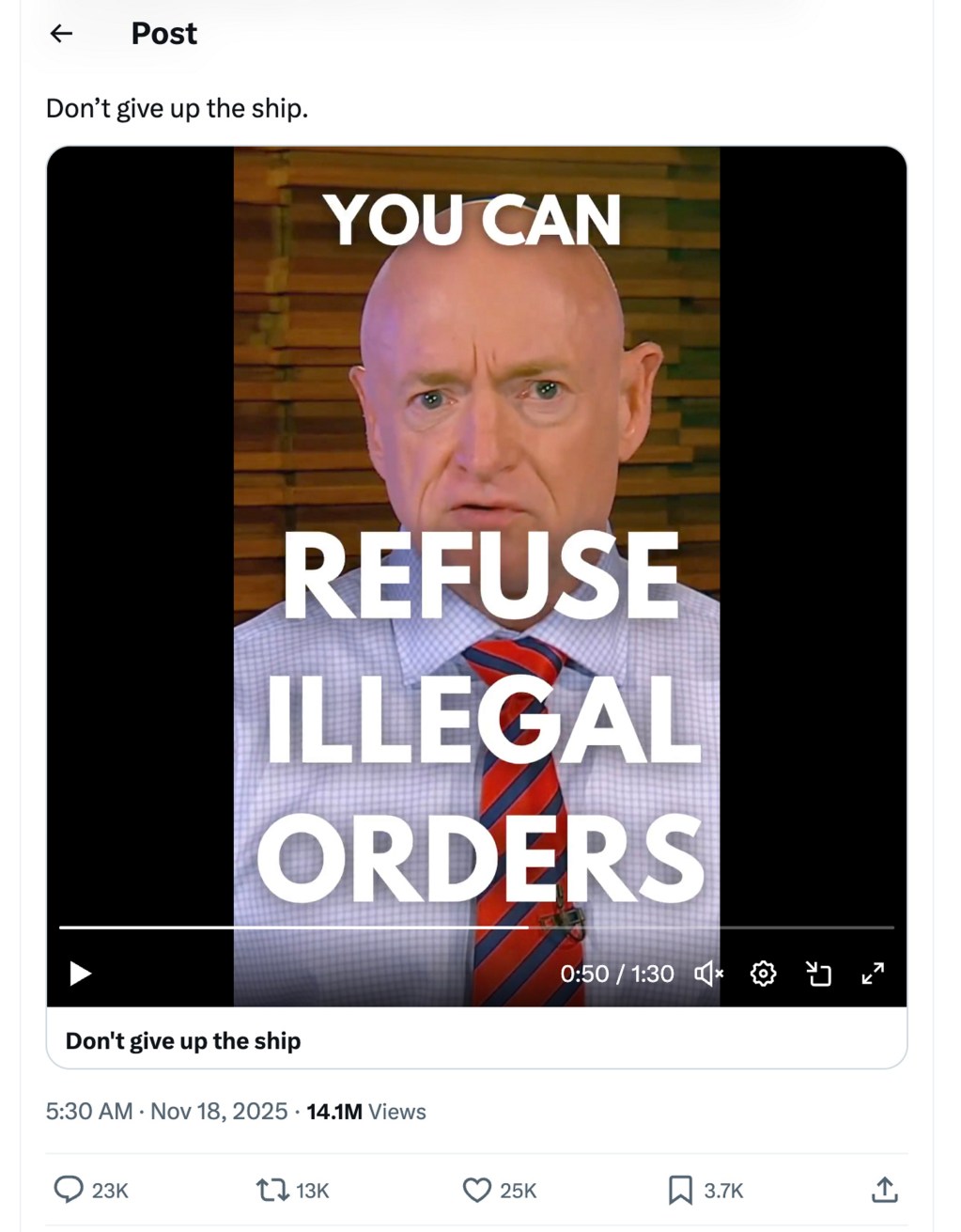
A recent incident involving U.S. military orders has sparked significant controversy and drawn attention from Congress. On September 2, a military strike targeting an alleged drug trafficking boat resulted in the deaths of 11 individuals, including two who survived the initial attack. This incident has raised questions about the legality of the orders given prior to the strike, particularly following a video released by Congressman Jason Crow and five Democratic colleagues, urging troops to refuse orders that violate the law or the Constitution.
Critics have argued that the message in the video was ambiguous and lacked specific examples of illegal orders. However, The Washington Post recently uncovered details of a potential war crime linked to these orders, suggesting that the concerns raised by Crow were justified. The calls for bipartisan scrutiny of the incident are becoming more pressing, especially as President Donald Trump‘s approval rating hovers around 36%, increasing the likelihood of congressional members feeling emboldened to challenge the administration.
The alleged order issued by Pete Hegseth, the Secretary of Defense, reportedly included the phrase “kill them all,” pertaining to the military’s engagement with suspected drug traffickers in international waters. This command reportedly led to the attack that killed civilians, which many experts argue violates the Geneva Conventions and the Department of Defense’s own Law of War Manual. In response to the allegations, Hegseth dismissed the claims as “fake news,” while simultaneously criticizing the Biden administration’s approach to terrorism.
In an attempt to downplay his involvement, Hegseth later claimed he had left the room after the first strike. He suggested that the “fog of war” hindered his awareness of the survivors clinging to the wreckage. As a result of these developments, both the U.S. House and Senate Armed Services Committees have initiated investigations into the incident, aiming to uncover the full context and legality of the military’s actions.
While the specific circumstances surrounding the strike raise significant legal and ethical questions, broader implications also exist. The individuals targeted in the strike were civilians rather than combatants, and the label of “narco-terrorists” does not exempt them from protections under military engagement rules. Even if these individuals were involved in drug trafficking, the use of lethal force against them without due process constitutes an extrajudicial execution.
This week’s developments include a formal complaint filed with the Inter-American Commission on Human Rights by the family of a Colombian fisherman killed in the strike. They assert that he was an innocent victim, the main provider for his family, and seek compensation for their loss. The challenge of establishing guilt or innocence in such cases becomes exceedingly difficult after lethal military actions have been carried out.
There are lawful and established methods for addressing drug trafficking that uphold due process and protect innocent civilians. Agencies such as the U.S. Coast Guard and the Drug Enforcement Administration have successfully intercepted drugs and prosecuted smugglers in federal courts. For example, former Honduran president Juan Orlando Hernández was extradited to the U.S. in 2022 and convicted of smuggling over 400 tons of cocaine, yet he was recently pardoned by Trump.
As congressional hearings delve into Hegseth’s controversial remarks and the legality of the military’s actions, lawmakers may question the rationale behind executing suspected low-level smugglers without due process, while allowing convicted drug lords to evade justice. Additionally, they may seek clarity on Hegseth’s intentions toward potential military actions within Venezuela, as Trump has suggested.
The upcoming investigations present an opportunity for Congress to reaffirm the military’s obligation to uphold the law and the Constitution, ensuring that any military actions are justified and legally sound. As the narrative unfolds, the implications of these events will likely resonate beyond the immediate context, shaping discussions around military engagement and the rule of law in international operations.

Jen Psaki SLAMS Trump’s Claims on $1,776 Warrior Dividends

Paul McNeil Jr. Scores Career-High 47, Leads N.C. State to 108-72 Victory

Old Dominion Claims Cure Bowl Victory Over USF in 24-10 Showdown

Former Model Alleges Trump Groped Her at Trump Tower in 1993

SF9’s Inseong Sparks Outrage After Accidental Fan Insult

New York Approves 3 Casinos Amid Urgent Gambling Addiction Concerns

Texas Christkindl Market Marks 15 Years of Festive German Traditions

Rail Unions Oppose $85 Billion Merger, Cite Safety and Competition Concerns

Researchers Discover Ancient Elephant Footprints in Murcia Dunes

Send Holiday Parcels for £1.99 with New Comparison Service

University of Hawaiʻi Leads $25M AI Project to Monitor Natural Disasters

Interstellar Object 3I/ATLAS Emits Unique Metal Alloy, Says Scientist

Researchers Achieve Fastest Genome Sequencing in Under Four Hours

Iconic Sand Dollar Social Club Listed for $3 Million in Folly Beach

Afghan Refugee Detained by ICE After Asylum Hearing in New York

McEwen Inc. Secures Tartan Lake Gold Mine Through Acquisition

Peptilogics Secures $78 Million to Combat Prosthetic Joint Infections

Jump for Good: San Clemente Pier Fundraiser Allows Legal Leaps
-
 Lifestyle1 week ago
Send Holiday Parcels for £1.99 with New Comparison Service
-
Science2 months ago
University of Hawaiʻi Leads $25M AI Project to Monitor Natural Disasters
-
 Science2 months ago
Interstellar Object 3I/ATLAS Emits Unique Metal Alloy, Says Scientist
-
 Science2 months ago
Researchers Achieve Fastest Genome Sequencing in Under Four Hours
-
 Business2 months ago
Iconic Sand Dollar Social Club Listed for $3 Million in Folly Beach
-
 Politics2 months ago
Afghan Refugee Detained by ICE After Asylum Hearing in New York
-
 Business2 months ago
McEwen Inc. Secures Tartan Lake Gold Mine Through Acquisition
-
 Health2 months ago
Peptilogics Secures $78 Million to Combat Prosthetic Joint Infections
-
 Lifestyle2 months ago
Jump for Good: San Clemente Pier Fundraiser Allows Legal Leaps
-

 Science2 months ago
Mars Observed: Detailed Imaging Reveals Dust Avalanche Dynamics
-

 Health2 months ago
Researcher Uncovers Zika Virus Pathway to Placenta Using Nanotubes
-

 Entertainment2 months ago
Jennifer Lopez Addresses A-Rod Split in Candid Interview