
Science
Ancient Lead Exposure Influenced Neanderthal and Human Brains

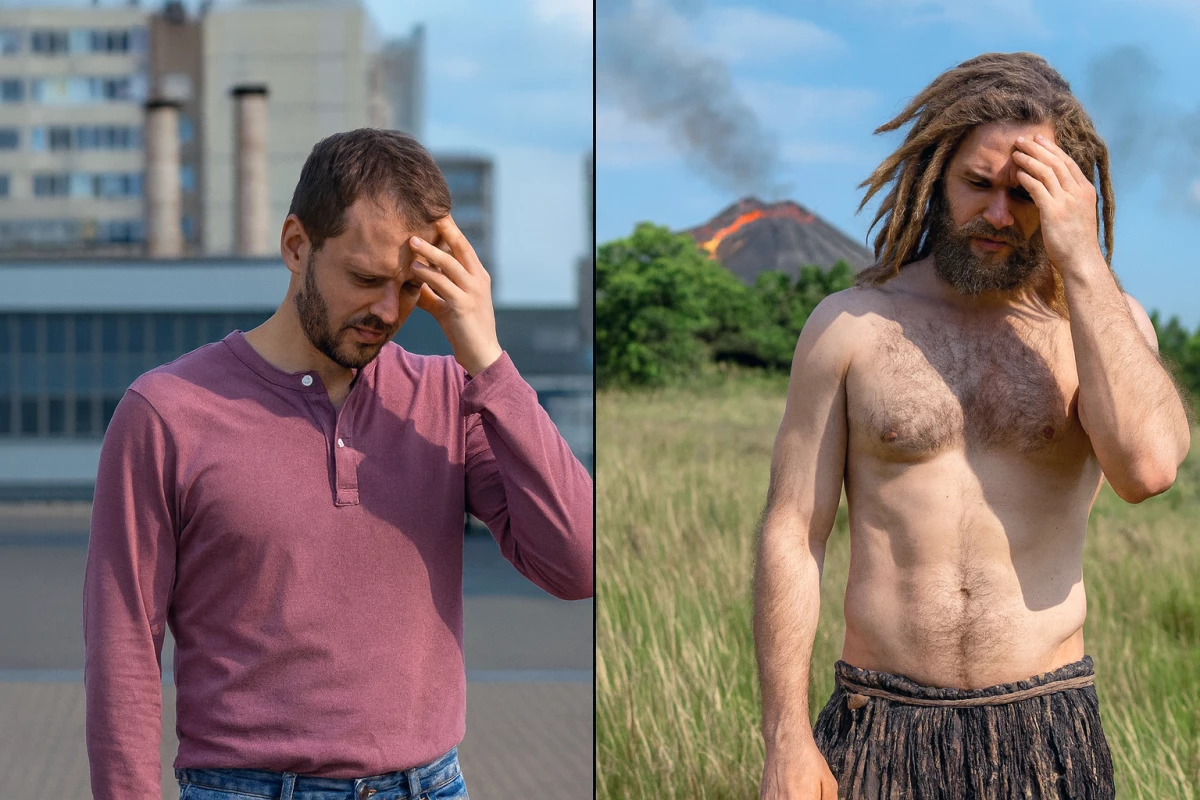
A recent study reveals that lead exposure has been a significant factor in shaping the brains of both Neanderthals and early humans, contradicting the belief that lead poisoning is solely an industrial-age issue. Conducted by researchers at Southern Cross University in Australia, the study indicates that our ancestors were exposed to lead for at least two million years, influencing their cognitive abilities and social behaviors.
The research team, led by Professor Renaud Joannes-Boyau, Head of the Geoarchaeology and Archaeometry Research Group, utilized advanced techniques to analyze ancient teeth. They discovered distinct “bands” of lead in Neanderthal molars dated to around 250,000 years ago from the site in Payre, southern France. The findings revealed that 73% of all primate and hominid fossils tested, which were sourced from Africa, Asia, and Europe, showed signs of lead exposure.
Lead Exposure’s Historical Context
The patterns observed in the teeth correspond to periods of high lead exposure during tooth development, suggesting that Neanderthals frequently encountered lead, likely from natural geological sources such as lead-rich soil or volcanic dust. The researchers were able to confirm that this lead was absorbed while the Neanderthals were alive, as the bands matched biological growth layers and were not a result of later contamination.
Lead is a known neurotoxin in modern humans, impairing cognition, learning, and social behavior. The study highlights the potential neurological effects of ancient lead exposure, linking it to genetic factors. The NOVA1 gene, which regulates gene expression in neurons, plays a crucial role in neuronal connections. Disruption of NOVA1 is associated with neurological conditions, including autism and schizophrenia.
Notably, when lead was introduced to human brain organoids—miniature brain models—carrying the Neanderthal version of the NOVA1 gene, it disrupted the functioning of the FOXP2 gene, which is essential for speech and language development. Interestingly, the modern human variant of NOVA1 appeared more resilient to lead-related neuronal stress. This suggests that modern humans may have undergone evolutionary adaptations that enhance their resistance to environmental toxins, such as lead.
Implications for Human Evolution
The findings of this study propose that environmental lead exposure may have influenced genetic traits favored during human evolution. This could have resulted in modern humans developing enhanced social or communication abilities compared to Neanderthals. “These results suggest that our NOVA1 variant may have offered protection against the harmful neurological effects of lead,” stated Professor Alysson Muotri from the School of Medicine at UC San Diego.
Professor Manish Arora from the Department of Environmental Medicine at the Icahn School of Medicine at Mount Sinai emphasized the broader implications of this research. “This study shows how our environmental exposures shaped our evolution,” he noted. The observation that toxic exposures can provide a survival advantage suggests a new perspective for understanding disorders linked to environmental factors.
The research was published in the journal Science Advances, offering valuable insights into the long-standing relationship between environmental toxins and human evolution. This groundbreaking study not only reshapes our understanding of ancient lead exposure but also provides a framework for future investigations into the impact of environmental factors on human health and behavior.

Urgent Tax Savings Alert: Maximize Deductions Before April 15

Trump’s Administration Faces Uncertainty Over Government Shutdowns

Cosmic Defects: The Mystery of the Universe’s Missing Anomalies

Rapid City Parks Department Opens Registration for Bocce Leagues

Samsung Galaxy Watch 9 to Feature Larger 435mAh Battery Soon

Two Dead After Student Boats Capsize Off Okinawa Coast

Healthy Choice Wellness Reports Earnings with Mixed Results

Prince Harry Positions Himself as Royal Family’s Image Reviver

All Points North Lodge Achieves FSPHP-ETA Accreditation

Send Holiday Parcels for £1.99 with New Comparison Service

University of Hawaiʻi Leads $25M AI Project to Monitor Natural Disasters

Maui County Reopens Upgraded Lānaʻi Fifth Street Courts Today!

Daily Codeword Puzzle Launches on October 21, 2025

Congresswoman Under Fire for Misleading Epstein Donation Claims

Interstellar Object 3I/ATLAS Emits Unique Metal Alloy, Says Scientist

Trump Vows to Resolve Afghanistan-Pakistan Crisis “Very Quickly”

Charles Darwin’s Address Book Reveals Hidden Aspects of His Life

Rediscovering Chrysler: 5 Overlooked Models from the 1980s
-
 Lifestyle8 months ago
Send Holiday Parcels for £1.99 with New Comparison Service
-
Science9 months ago
University of Hawaiʻi Leads $25M AI Project to Monitor Natural Disasters
-
 Top Stories8 months ago
Maui County Reopens Upgraded Lānaʻi Fifth Street Courts Today!
-
 Entertainment9 months ago
Daily Codeword Puzzle Launches on October 21, 2025
-
 Lifestyle8 months ago
Congresswoman Under Fire for Misleading Epstein Donation Claims
-
 Science10 months ago
Interstellar Object 3I/ATLAS Emits Unique Metal Alloy, Says Scientist
-
 Top Stories9 months ago
Trump Vows to Resolve Afghanistan-Pakistan Crisis “Very Quickly”
-
 Science8 months ago
Charles Darwin’s Address Book Reveals Hidden Aspects of His Life
-
 Lifestyle8 months ago
Rediscovering Chrysler: 5 Overlooked Models from the 1980s
-

 Science7 months ago
Understanding Generation Z: Strategies for Engaging the Workforce
-

 Entertainment10 months ago
Kelly McCreary Discusses Future of Maggie and Winston in Grey’s Anatomy
-

 Entertainment7 months ago
Landmark Shift as Iconic Anime Series Concludes After 26 Years