
Science
Discover the Waxing Gibbous Moon on March 1: What to See

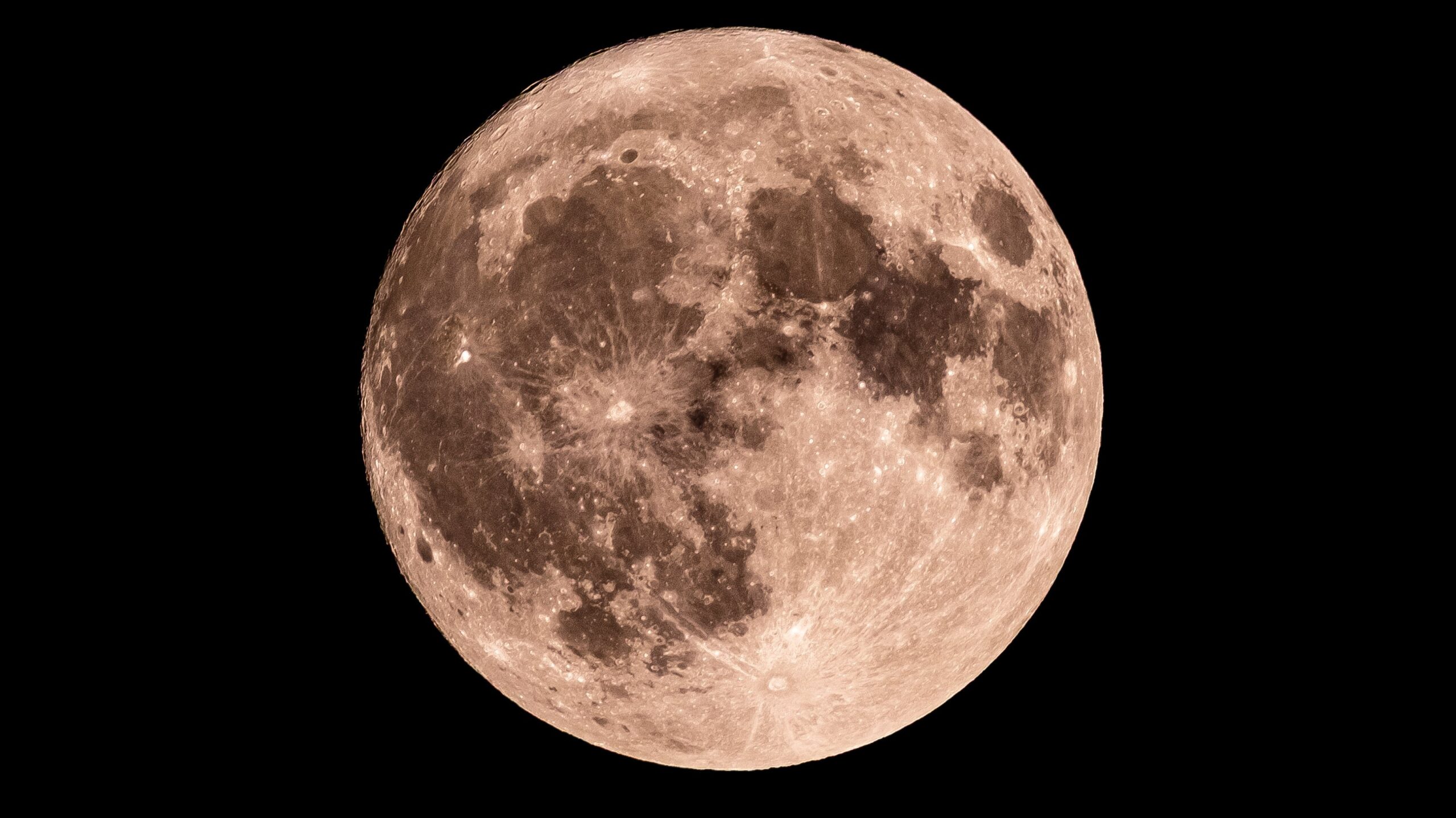
As of March 1, 2024, the Moon is in the Waxing Gibbous phase, with approximately 94% of its surface illuminated. This phase, just two days before the Full Moon, provides an excellent opportunity for skywatchers to observe several notable features on the lunar surface.
The National Aeronautics and Space Administration (NASA) notes that tonight, observers will be able to clearly see the Mares Imbrium and Crisium, as well as the prominent Tycho Crater. Those with binoculars can enhance their experience by spotting additional features, including the Mares Nectaris and Frigoris, along with the Endymion Crater. For telescope users, tonight offers an even richer viewing experience, revealing sites of historical significance, such as the Apollo 15 and 17 landing spots, alongside the Schiller Crater.
Upcoming Lunar Events
The next Full Moon will occur on March 3, 2024, following the previous Full Moon on February 1, 2024. This ongoing lunar cycle, which lasts approximately 29.5 days, features eight distinct phases that characterize the Moon’s appearance as it orbits the Earth.
According to NASA, the Moon cycles through various phases due to the changing angles of sunlight that illuminate its surface. The eight phases include:
– **New Moon**: The Moon is positioned between Earth and the Sun, rendering it invisible.
– **Waxing Crescent**: A small sliver of light appears on the right side.
– **First Quarter**: Half of the Moon is illuminated on the right side, resembling a half-Moon.
– **Waxing Gibbous**: More than half is illuminated, but it has not yet reached full brightness.
– **Full Moon**: The entire face of the Moon is fully visible and illuminated.
– **Waning Gibbous**: The Moon begins to lose light on the right side.
– **Third Quarter**: Another half-Moon, now with the left side illuminated.
– **Waning Crescent**: A thin sliver of light remains on the left side before the Moon returns to darkness.
This cyclical pattern is a fascinating aspect of our relationship with the Moon and its influence on various cultural and scientific phenomena.
With tonight’s Waxing Gibbous phase promising an impressive view, enthusiasts and casual observers alike have the chance to connect with this celestial body. Whether using the naked eye, binoculars, or a telescope, the Moon offers a remarkable spectacle that continues to captivate people around the world.

Urgent Tax Savings Alert: Maximize Deductions Before April 15

Trump’s Administration Faces Uncertainty Over Government Shutdowns

Cosmic Defects: The Mystery of the Universe’s Missing Anomalies

Rapid City Parks Department Opens Registration for Bocce Leagues

Samsung Galaxy Watch 9 to Feature Larger 435mAh Battery Soon

Two Dead After Student Boats Capsize Off Okinawa Coast

Healthy Choice Wellness Reports Earnings with Mixed Results

Prince Harry Positions Himself as Royal Family’s Image Reviver

All Points North Lodge Achieves FSPHP-ETA Accreditation

Send Holiday Parcels for £1.99 with New Comparison Service

University of Hawaiʻi Leads $25M AI Project to Monitor Natural Disasters

Maui County Reopens Upgraded Lānaʻi Fifth Street Courts Today!

Daily Codeword Puzzle Launches on October 21, 2025

Congresswoman Under Fire for Misleading Epstein Donation Claims

Interstellar Object 3I/ATLAS Emits Unique Metal Alloy, Says Scientist

Trump Vows to Resolve Afghanistan-Pakistan Crisis “Very Quickly”

Charles Darwin’s Address Book Reveals Hidden Aspects of His Life

Rediscovering Chrysler: 5 Overlooked Models from the 1980s
-
 Lifestyle8 months ago
Send Holiday Parcels for £1.99 with New Comparison Service
-
Science9 months ago
University of Hawaiʻi Leads $25M AI Project to Monitor Natural Disasters
-
 Top Stories8 months ago
Maui County Reopens Upgraded Lānaʻi Fifth Street Courts Today!
-
 Entertainment10 months ago
Daily Codeword Puzzle Launches on October 21, 2025
-
 Lifestyle9 months ago
Congresswoman Under Fire for Misleading Epstein Donation Claims
-
 Science10 months ago
Interstellar Object 3I/ATLAS Emits Unique Metal Alloy, Says Scientist
-
 Top Stories9 months ago
Trump Vows to Resolve Afghanistan-Pakistan Crisis “Very Quickly”
-
 Science8 months ago
Charles Darwin’s Address Book Reveals Hidden Aspects of His Life
-
 Lifestyle8 months ago
Rediscovering Chrysler: 5 Overlooked Models from the 1980s
-
 Science7 months ago
Understanding Generation Z: Strategies for Engaging the Workforce
-

 Entertainment10 months ago
Kelly McCreary Discusses Future of Maggie and Winston in Grey’s Anatomy
-

 Top Stories8 months ago
aespa Faces Backlash Over G-Dragon Interaction at 2025 MAMAs