
Science
New Blood Pressure Guidelines Shift Focus on Lower Targets

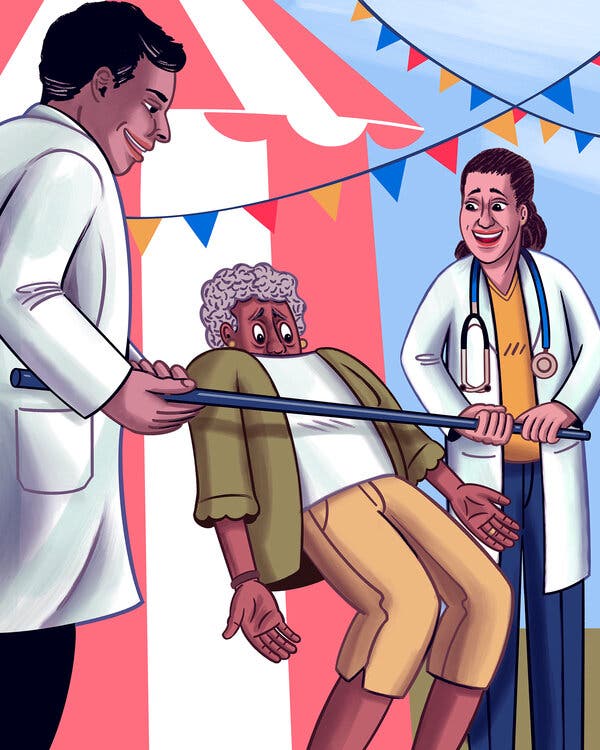
In a significant shift in medical guidelines, health professionals are now emphasizing lower blood pressure targets for older adults, reflecting new research linking hypertension to cognitive decline. This change in approach stems from the case of a 78-year-old patient who first consulted Dr. Mark Supiano, a geriatrician at the University of Utah, in 2017 due to concerns about her short-term memory loss.
During her initial examination, Dr. Supiano noted a concerning blood pressure reading of 148/86, despite the patient taking two medications aimed at managing her levels. Contributing factors included her use of an anti-inflammatory drug for arthritis, a high-sodium diet, and a sedentary lifestyle. Additionally, the patient admitted to consuming several glasses of wine each evening, which may have further impacted her blood pressure.
Changes Implemented for Better Health
Following their discussion about her health risks, the patient and her husband began to implement lifestyle changes. They joined a gym, and she stopped taking the anti-inflammatory medication while reducing her salt and alcohol intake. As a result, her systolic blood pressure readings improved to the 130 to 140 range. While this still classified her as having hypertension according to the American Heart Association and the American College of Cardiology guidelines, the numbers were more manageable.
By 2019, the patient had been diagnosed with mild cognitive impairment, raising concerns about the relationship between high blood pressure and dementia. Reflecting on this case, Dr. Supiano acknowledged, “I was not as aggressive as I should have been.” Recognizing the need for further intervention, he added a third medication to her regimen, ultimately bringing her blood pressure down to 120 or lower.
Understanding the Evolving Guidelines
The evolving blood pressure guidelines underscore the importance of early intervention and strict management, especially among older adults. Medical experts increasingly recognize that maintaining lower blood pressure can have significant implications for cognitive health. This shift mirrors a broader trend in healthcare that prioritizes preventive measures and proactive approaches to aging-related health issues.
As medical professionals continue to assess the impacts of hypertension, particularly in older populations, the question remains: how low can one go with blood pressure management? The answer may vary for each individual, but the goal is clear: to enhance quality of life through effective health strategies.
In light of these developments, patients and healthcare providers are encouraged to engage in open discussions about blood pressure control and its far-reaching effects on overall health. As research in this area progresses, the conversation around hypertension will continue to evolve, highlighting the need for personalized care and ongoing education.

Urgent Tax Savings Alert: Maximize Deductions Before April 15

Trump’s Administration Faces Uncertainty Over Government Shutdowns

Cosmic Defects: The Mystery of the Universe’s Missing Anomalies

Rapid City Parks Department Opens Registration for Bocce Leagues

Samsung Galaxy Watch 9 to Feature Larger 435mAh Battery Soon

Two Dead After Student Boats Capsize Off Okinawa Coast

Healthy Choice Wellness Reports Earnings with Mixed Results

Prince Harry Positions Himself as Royal Family’s Image Reviver

All Points North Lodge Achieves FSPHP-ETA Accreditation

Send Holiday Parcels for £1.99 with New Comparison Service

University of Hawaiʻi Leads $25M AI Project to Monitor Natural Disasters

Maui County Reopens Upgraded Lānaʻi Fifth Street Courts Today!

Daily Codeword Puzzle Launches on October 21, 2025

Congresswoman Under Fire for Misleading Epstein Donation Claims

Interstellar Object 3I/ATLAS Emits Unique Metal Alloy, Says Scientist

Trump Vows to Resolve Afghanistan-Pakistan Crisis “Very Quickly”

Charles Darwin’s Address Book Reveals Hidden Aspects of His Life

Rediscovering Chrysler: 5 Overlooked Models from the 1980s
-
 Lifestyle8 months ago
Send Holiday Parcels for £1.99 with New Comparison Service
-
Science9 months ago
University of Hawaiʻi Leads $25M AI Project to Monitor Natural Disasters
-
 Top Stories8 months ago
Maui County Reopens Upgraded Lānaʻi Fifth Street Courts Today!
-
 Entertainment9 months ago
Daily Codeword Puzzle Launches on October 21, 2025
-
 Lifestyle8 months ago
Congresswoman Under Fire for Misleading Epstein Donation Claims
-
 Science10 months ago
Interstellar Object 3I/ATLAS Emits Unique Metal Alloy, Says Scientist
-
 Top Stories9 months ago
Trump Vows to Resolve Afghanistan-Pakistan Crisis “Very Quickly”
-
 Science8 months ago
Charles Darwin’s Address Book Reveals Hidden Aspects of His Life
-
 Lifestyle8 months ago
Rediscovering Chrysler: 5 Overlooked Models from the 1980s
-

 Science7 months ago
Understanding Generation Z: Strategies for Engaging the Workforce
-

 Entertainment10 months ago
Kelly McCreary Discusses Future of Maggie and Winston in Grey’s Anatomy
-

 Entertainment7 months ago
Landmark Shift as Iconic Anime Series Concludes After 26 Years