
Science
Scientists Explore Memory Manipulation to Heal Emotional Wounds

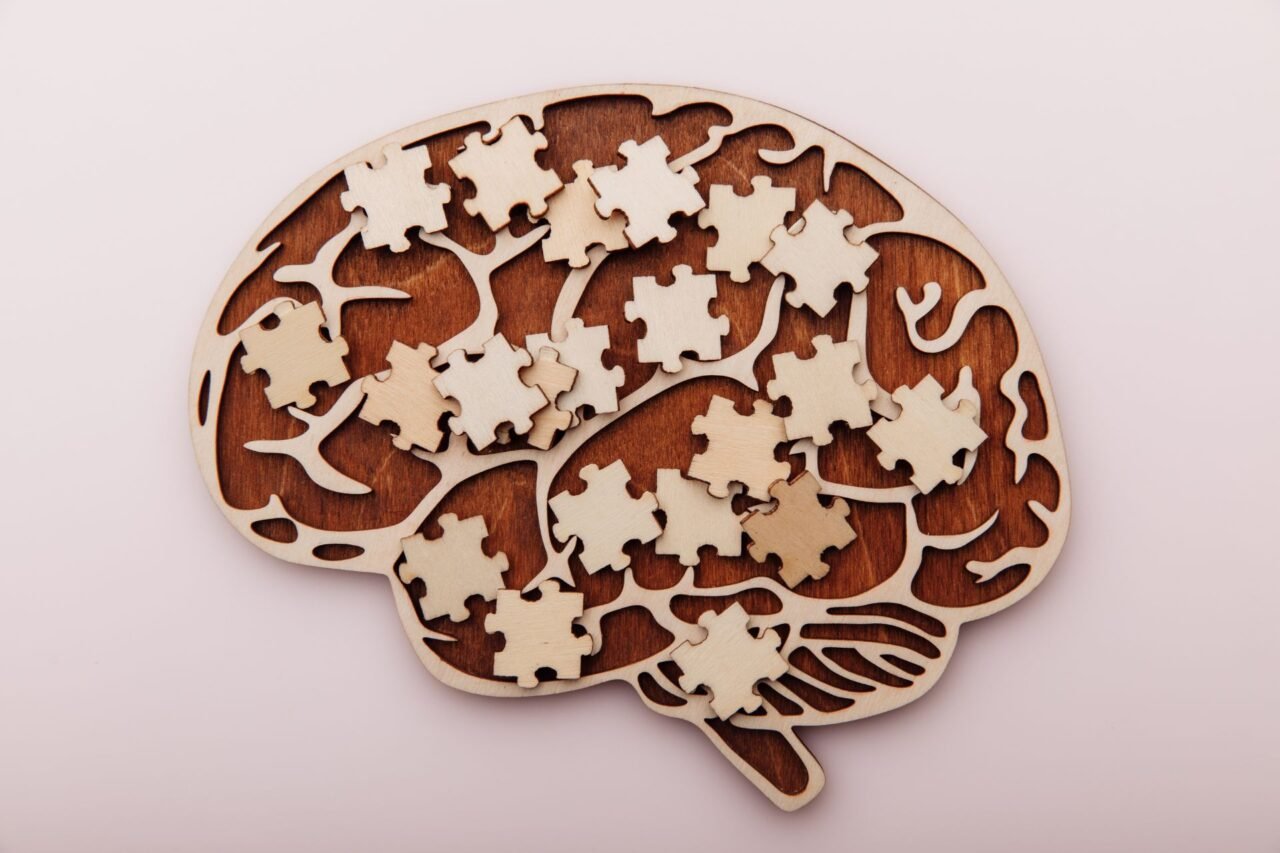
Research into the malleability of human memory has taken a significant leap forward, with scientists exploring how memories could be manipulated for therapeutic benefits. This emerging field aims not only to address traumatic memories but also to enhance positive recollections, potentially offering new treatment avenues for conditions such as depression and anxiety.
Memories are not static; they are dynamic constructs influenced by various factors, including emotional states. Over recent decades, studies have shown that every time we recall a memory, we may unintentionally alter its details. This phenomenon has serious implications, as it can lead to the creation of false memories—stories of events that never occurred. Such occurrences can have dire consequences, contributing to wrongful convictions and societal moral panics.
In response to these challenges, researchers like Steve Ramirez at the Massachusetts Institute of Technology (MIT) have begun to investigate the positive applications of memory manipulation. Ramirez’s forthcoming book, How to Change a Memory: One Neuroscientist’s Quest to Alter the Past, chronicles his journey through the evolving landscape of memory research. He delves into the potential to not only erase painful memories but also to implant joyful ones, thereby enhancing emotional resilience.
The concept gained traction in 2012 when Ramirez and his colleagues demonstrated that it is possible to implant false memories in lab mice. Since then, the field has expanded dramatically. Ramirez notes that an international meeting held in Ireland this year attracted hundreds of researchers, underscoring the growing interest in memory manipulation. The research has advanced to the point where scientists can activate specific memories in the brain, restoring recollections lost to amnesia or Alzheimer’s disease, and even triggering positive memories in various contexts.
As this area of study progresses, ethical considerations surrounding memory manipulation become increasingly paramount. Ramirez emphasizes the need for transparent discussions among researchers, practitioners, and the public. He believes that establishing ethical guidelines is essential to prevent misuse, drawing parallels to past scientific innovations, such as the Human Genome Project.
He advocates for a focus on health restoration through memory manipulation, suggesting that interventions should be aimed at individuals who suffer from debilitating conditions rather than the general population. This targeted approach mirrors the responsible use of medications, where treatments are tailored to those in need rather than applied universally.
Despite the potentially unsettling implications of manipulating memories, Ramirez maintains an optimistic outlook. He believes that understanding the complexities of memory can foster greater empathy and connection among individuals. Sharing personal memories can help bridge gaps and create a sense of community, particularly among those in recovery from trauma.
In his conversations with journalists, including a recent interview with Gizmodo, Ramirez expressed his hope that readers take away an appreciation for the nuanced role of memory in shaping human experience. He wants to convey that while memories can evoke both joy and sorrow, they also serve as a powerful tool for healing and connection.
How to Change a Memory will be published by Princeton University Press on November 4, 2023. Through his narrative, Ramirez not only highlights the scientific advancements in memory research but also the profoundly human experiences that accompany the pursuit of knowledge. He aims to remind readers that, ultimately, we are shaped by our memories, and how we choose to engage with them can significantly impact our lives.

Urgent Tax Savings Alert: Maximize Deductions Before April 15

Trump’s Administration Faces Uncertainty Over Government Shutdowns

Cosmic Defects: The Mystery of the Universe’s Missing Anomalies

Rapid City Parks Department Opens Registration for Bocce Leagues

Samsung Galaxy Watch 9 to Feature Larger 435mAh Battery Soon

Two Dead After Student Boats Capsize Off Okinawa Coast

Healthy Choice Wellness Reports Earnings with Mixed Results

Prince Harry Positions Himself as Royal Family’s Image Reviver

All Points North Lodge Achieves FSPHP-ETA Accreditation

Send Holiday Parcels for £1.99 with New Comparison Service

University of Hawaiʻi Leads $25M AI Project to Monitor Natural Disasters

Maui County Reopens Upgraded Lānaʻi Fifth Street Courts Today!

Daily Codeword Puzzle Launches on October 21, 2025

Congresswoman Under Fire for Misleading Epstein Donation Claims

Interstellar Object 3I/ATLAS Emits Unique Metal Alloy, Says Scientist

Trump Vows to Resolve Afghanistan-Pakistan Crisis “Very Quickly”

Charles Darwin’s Address Book Reveals Hidden Aspects of His Life

Rediscovering Chrysler: 5 Overlooked Models from the 1980s
-
 Lifestyle8 months ago
Send Holiday Parcels for £1.99 with New Comparison Service
-
Science9 months ago
University of Hawaiʻi Leads $25M AI Project to Monitor Natural Disasters
-
 Top Stories8 months ago
Maui County Reopens Upgraded Lānaʻi Fifth Street Courts Today!
-
 Entertainment10 months ago
Daily Codeword Puzzle Launches on October 21, 2025
-
 Lifestyle9 months ago
Congresswoman Under Fire for Misleading Epstein Donation Claims
-
 Science10 months ago
Interstellar Object 3I/ATLAS Emits Unique Metal Alloy, Says Scientist
-
 Top Stories9 months ago
Trump Vows to Resolve Afghanistan-Pakistan Crisis “Very Quickly”
-
 Science8 months ago
Charles Darwin’s Address Book Reveals Hidden Aspects of His Life
-
 Lifestyle8 months ago
Rediscovering Chrysler: 5 Overlooked Models from the 1980s
-
 Science7 months ago
Understanding Generation Z: Strategies for Engaging the Workforce
-

 Entertainment10 months ago
Kelly McCreary Discusses Future of Maggie and Winston in Grey’s Anatomy
-

 Top Stories8 months ago
aespa Faces Backlash Over G-Dragon Interaction at 2025 MAMAs