
Science
Surgeons Aim to Restore Sense of Touch with Robotic Fingertips

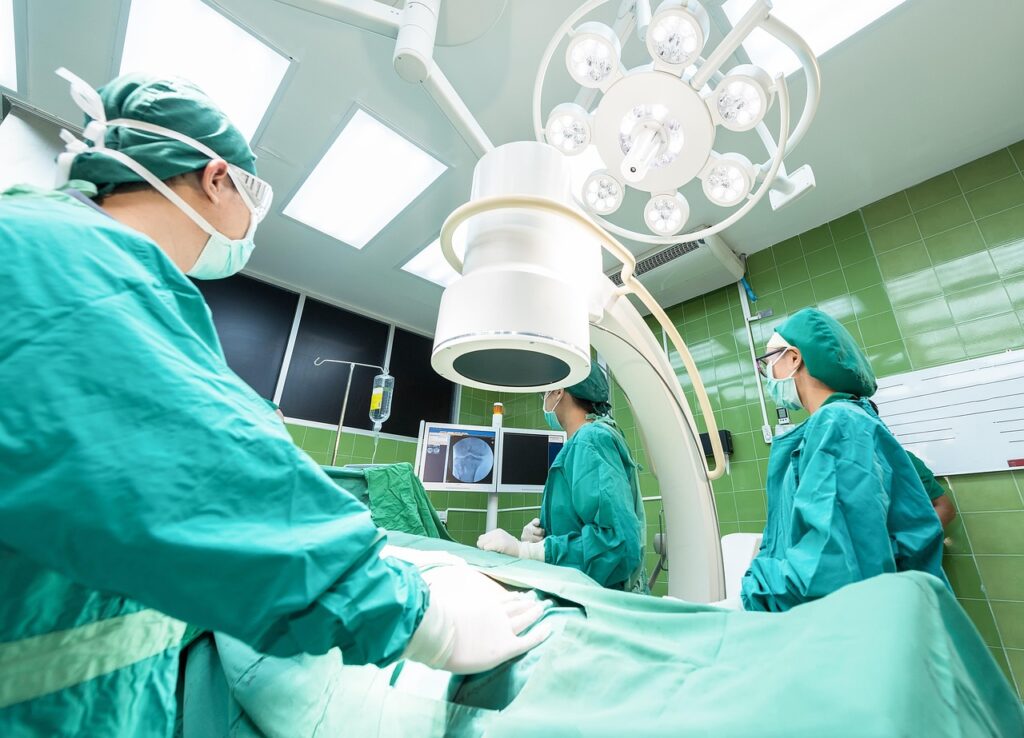
Modern surgical techniques have evolved significantly, shifting from lengthy incisions to minimally invasive procedures guided by advanced robotics and artificial intelligence. However, this progress has come at a cost: surgeons have lost the ability to directly feel the tissues they operate on. A collaborative research effort across Europe aims to address this challenge by developing a robotic “fingertip” that can replicate the sense of touch during surgery.
As part of the EU-funded initiative known as PALPABLE, a team of surgeons and engineers is working on a soft robotic device designed to sense the firmness or softness of tissue during minimally invasive surgeries. This project is set to continue until the end of 2026, with the first prototype anticipated to undergo testing by surgeons in March 2026.
Reintroducing Tactile Feedback in Surgical Procedures
The shift towards keyhole surgery over the past three decades has significantly reduced tactile feedback for surgeons. Professor Alberto Arezzo from the University of Turin, a specialist in minimally invasive procedures, explains that the transition from open surgery to using long instruments has diminished the hands-on experience that was previously integral to surgical practice. “We moved into the era of keyhole surgery, which reduced tactile feedback,” he noted.
While keyhole surgery has provided patients with benefits such as reduced trauma and quicker recovery times, it has made it difficult to discern the characteristics of different tissues. This is particularly critical in cancer surgeries, where the ability to differentiate between healthy and abnormal tissue can determine the success of the operation.
Dr. Gadi Marom, a clinician from Hadassah Medical Centre in Jerusalem involved in the PALPABLE project, emphasized the delicate balance surgeons must maintain when excising tumors. “We don’t want to do that. We want it done in one shot,” he stated, highlighting the importance of precise margins in cancer operations.
Innovative Technology to Enhance Surgical Precision
To restore tactile feedback, the PALPABLE team is developing a probe that incorporates optical sensing and soft robotics. The device features fibre-optic cables embedded in a flexible tip, which deforms upon contact with tissue. The changes in light transmitted through the fibres provide data on the stiffness of the tissue being examined.
“By using a silicone dome that presses against soft tissue, we can map both the direction and the magnitude of the applied force,” explained Dr. Georgios Violakis from Hellenic Mediterranean University. This technology not only aims to enhance the surgeon’s understanding of the tissue but also offers a visual representation of tissue stiffness, which can be displayed on a screen during operations.
Various institutions are contributing to the project, with Queen Mary University of London focusing on membrane design, and the Fraunhofer Institute in Germany working on functional films. Other partners include Bendabl and Tech Hive Labs from Greece, along with the University of Essex in the UK, which are developing the software needed to visualize the tactile maps.
The ultimate goal of this innovative research is to improve patient care. Dr. Marom remarked, “The bottom line is that we will be able to give better care to our patients.” As surgical procedures increasingly incorporate robotic technologies, the importance of tactile feedback becomes even more pronounced.
Both Professor Arezzo and Dr. Marom anticipate that robotic surgery will become the standard in operating theatres, but this transition hinges on providing surgeons with enhanced sensory information. As Arezzo succinctly put it, “Sooner or later, I believe the vast majority of surgeries will be robotic.”
The research conducted under the PALPABLE initiative is funded by the EU’s Horizon Programme, with the opinions expressed by the interviewees not necessarily reflecting those of the European Commission.
This advancement in surgical technology represents a significant step towards merging human skill with robotic precision, potentially transforming surgical outcomes in the future.

Urgent Tax Savings Alert: Maximize Deductions Before April 15

Trump’s Administration Faces Uncertainty Over Government Shutdowns

Cosmic Defects: The Mystery of the Universe’s Missing Anomalies

Rapid City Parks Department Opens Registration for Bocce Leagues

Samsung Galaxy Watch 9 to Feature Larger 435mAh Battery Soon

Two Dead After Student Boats Capsize Off Okinawa Coast

Healthy Choice Wellness Reports Earnings with Mixed Results

Prince Harry Positions Himself as Royal Family’s Image Reviver

All Points North Lodge Achieves FSPHP-ETA Accreditation

Send Holiday Parcels for £1.99 with New Comparison Service

University of Hawaiʻi Leads $25M AI Project to Monitor Natural Disasters

Maui County Reopens Upgraded Lānaʻi Fifth Street Courts Today!

Daily Codeword Puzzle Launches on October 21, 2025

Congresswoman Under Fire for Misleading Epstein Donation Claims

Interstellar Object 3I/ATLAS Emits Unique Metal Alloy, Says Scientist

Trump Vows to Resolve Afghanistan-Pakistan Crisis “Very Quickly”

Charles Darwin’s Address Book Reveals Hidden Aspects of His Life

Rediscovering Chrysler: 5 Overlooked Models from the 1980s
-
 Lifestyle8 months ago
Send Holiday Parcels for £1.99 with New Comparison Service
-
Science9 months ago
University of Hawaiʻi Leads $25M AI Project to Monitor Natural Disasters
-
 Top Stories8 months ago
Maui County Reopens Upgraded Lānaʻi Fifth Street Courts Today!
-
 Entertainment10 months ago
Daily Codeword Puzzle Launches on October 21, 2025
-
 Lifestyle9 months ago
Congresswoman Under Fire for Misleading Epstein Donation Claims
-
 Science10 months ago
Interstellar Object 3I/ATLAS Emits Unique Metal Alloy, Says Scientist
-
 Top Stories9 months ago
Trump Vows to Resolve Afghanistan-Pakistan Crisis “Very Quickly”
-
 Science8 months ago
Charles Darwin’s Address Book Reveals Hidden Aspects of His Life
-
 Lifestyle8 months ago
Rediscovering Chrysler: 5 Overlooked Models from the 1980s
-

 Science7 months ago
Understanding Generation Z: Strategies for Engaging the Workforce
-

 Entertainment10 months ago
Kelly McCreary Discusses Future of Maggie and Winston in Grey’s Anatomy
-

 Entertainment7 months ago
Landmark Shift as Iconic Anime Series Concludes After 26 Years