
Science
Understanding Biosafety Cabinets: Key Features and Importance

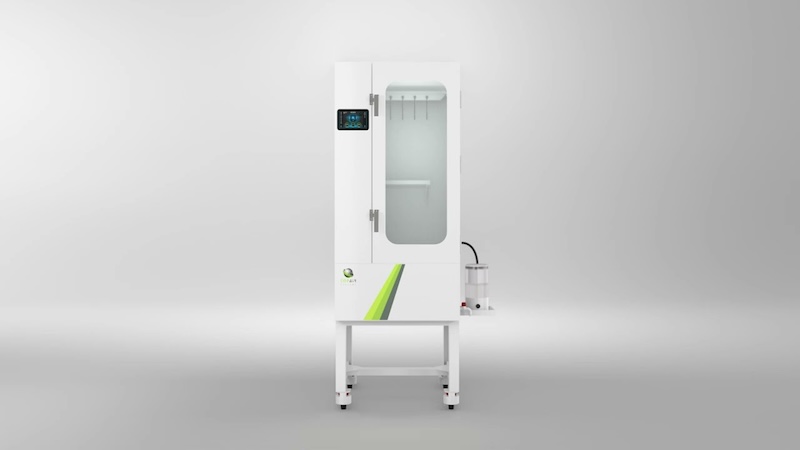
Biosafety cabinets are essential workstations designed to protect both users and samples from hazardous materials. These specialized enclosures ensure that harmful particles remain contained while providing a sterile environment for sensitive experiments. Their design and functionality are critical in various fields, including biomedical research, pharmaceuticals, and environmental studies.
How Biosafety Cabinets Function
At the core of a biosafety cabinet’s operation is a sophisticated airflow system. Air is drawn inward through the cabinet’s front opening, creating a barrier that prevents contaminants from escaping into the surrounding environment. This airflow is meticulously controlled to maintain a safe and sterile atmosphere within the cabinet.
The effectiveness of these cabinets is underscored by guidelines established by reputable organizations. For instance, the National Institutes of Health (NIH) and the Centers for Disease Control and Prevention (CDC) recommend specific standards for biosafety cabinets to mitigate risks associated with infectious agents.
Types of Biosafety Cabinets
Biosafety cabinets come in several classifications, each suited for different levels of risk. The three main types are Class I, Class II, and Class III.
Class I cabinets provide personnel protection but do not protect the samples inside from contamination. They are ideal for handling low-risk agents. Class II cabinets, on the other hand, offer both personnel and sample protection, making them suitable for work involving moderate-risk pathogens. Class III cabinets, known as glove boxes, ensure maximum containment and are used for high-risk materials, such as those requiring work with dangerous viruses.
According to the World Health Organization (WHO), the use of the appropriate biosafety cabinet is crucial in laboratories that handle infectious agents. This is particularly important in research settings where the potential for exposure to pathogens is higher.
The Importance of Proper Use and Maintenance
For biosafety cabinets to function effectively, proper use and regular maintenance are essential. Users must be trained to operate these cabinets correctly, adhering to established protocols to minimize the risk of contamination.
Routine checks and certifications are necessary to ensure that the cabinets are functioning correctly. A study by the CDC indicates that improper use and lack of maintenance can significantly compromise the safety features of biosafety cabinets, potentially leading to hazardous exposure situations.
In conclusion, biosafety cabinets serve as vital components in laboratories worldwide, protecting both personnel and the environment from hazardous materials. As research continues to advance, the role of these cabinets becomes even more significant in ensuring safety and compliance with health guidelines.

Urgent Tax Savings Alert: Maximize Deductions Before April 15

Trump’s Administration Faces Uncertainty Over Government Shutdowns

Cosmic Defects: The Mystery of the Universe’s Missing Anomalies

Rapid City Parks Department Opens Registration for Bocce Leagues

Samsung Galaxy Watch 9 to Feature Larger 435mAh Battery Soon

Two Dead After Student Boats Capsize Off Okinawa Coast

Healthy Choice Wellness Reports Earnings with Mixed Results

Prince Harry Positions Himself as Royal Family’s Image Reviver

All Points North Lodge Achieves FSPHP-ETA Accreditation

Send Holiday Parcels for £1.99 with New Comparison Service

University of Hawaiʻi Leads $25M AI Project to Monitor Natural Disasters

Maui County Reopens Upgraded Lānaʻi Fifth Street Courts Today!

Daily Codeword Puzzle Launches on October 21, 2025

Congresswoman Under Fire for Misleading Epstein Donation Claims

Interstellar Object 3I/ATLAS Emits Unique Metal Alloy, Says Scientist

Trump Vows to Resolve Afghanistan-Pakistan Crisis “Very Quickly”

Charles Darwin’s Address Book Reveals Hidden Aspects of His Life

Rediscovering Chrysler: 5 Overlooked Models from the 1980s
-
 Lifestyle8 months ago
Send Holiday Parcels for £1.99 with New Comparison Service
-
Science9 months ago
University of Hawaiʻi Leads $25M AI Project to Monitor Natural Disasters
-
 Top Stories8 months ago
Maui County Reopens Upgraded Lānaʻi Fifth Street Courts Today!
-
 Entertainment10 months ago
Daily Codeword Puzzle Launches on October 21, 2025
-
 Lifestyle9 months ago
Congresswoman Under Fire for Misleading Epstein Donation Claims
-
 Science10 months ago
Interstellar Object 3I/ATLAS Emits Unique Metal Alloy, Says Scientist
-
 Top Stories9 months ago
Trump Vows to Resolve Afghanistan-Pakistan Crisis “Very Quickly”
-
 Science8 months ago
Charles Darwin’s Address Book Reveals Hidden Aspects of His Life
-
 Lifestyle8 months ago
Rediscovering Chrysler: 5 Overlooked Models from the 1980s
-

 Science7 months ago
Understanding Generation Z: Strategies for Engaging the Workforce
-

 Entertainment10 months ago
Kelly McCreary Discusses Future of Maggie and Winston in Grey’s Anatomy
-

 Entertainment7 months ago
Landmark Shift as Iconic Anime Series Concludes After 26 Years