
Top Stories
Discover the Boeing 777X: A New Era in Long-Haul Aviation

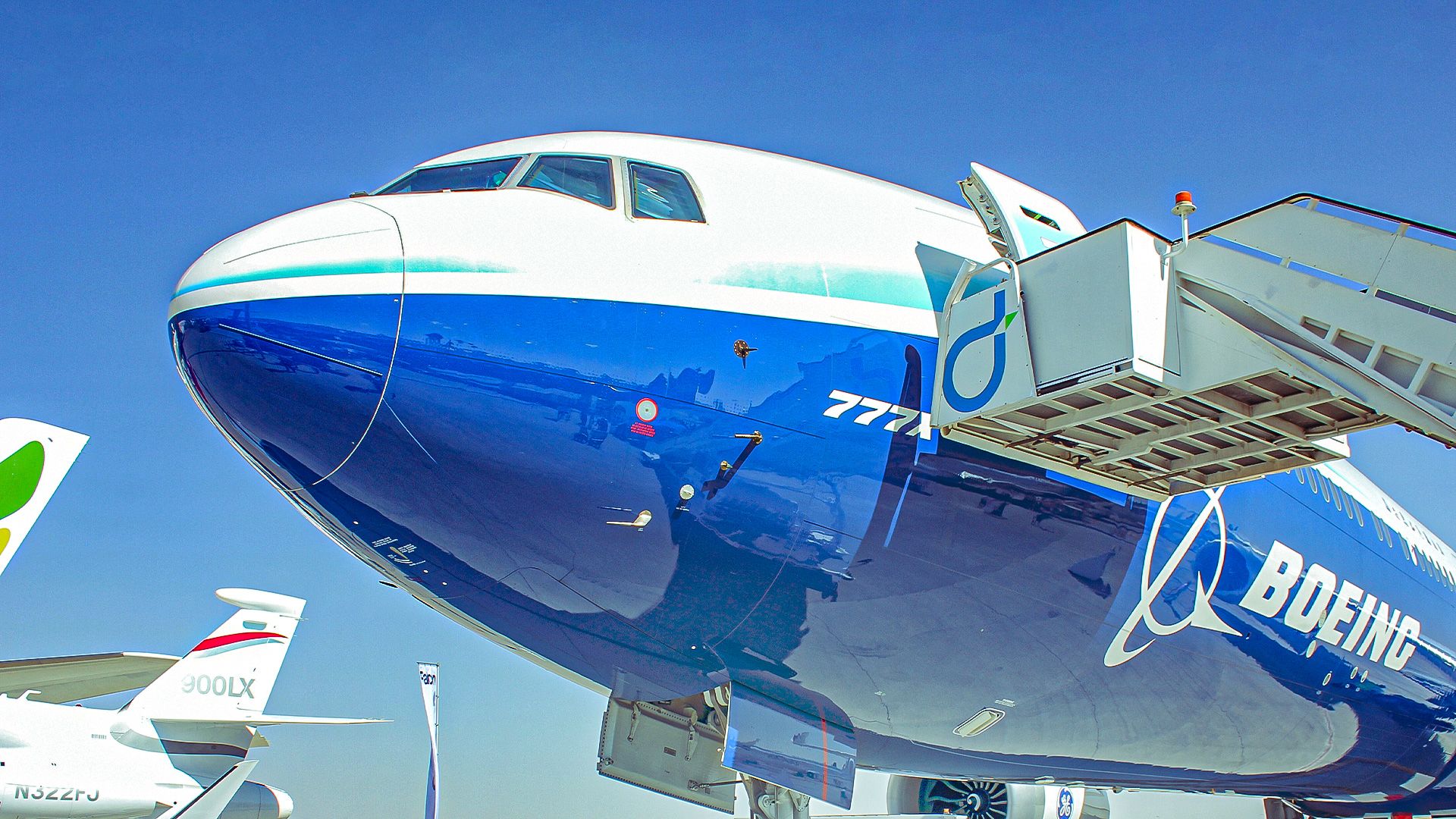
The Boeing 777X, one of the most significant aircraft development projects in recent aviation history, is set to redefine long-haul travel. With innovative features such as folding wingtips, a wider cabin, and enhanced passenger comfort, the aircraft aims to provide a quieter and more refined flying experience. A particularly intriguing aspect of the 777X is a concealed upper deck, designed not for passengers but as a rest area for the flight crew, enhancing their performance during ultra-long-haul flights.
Unveiling the Boeing 777X
As the latest evolution of the widely successful Boeing 777 family, the 777X caters to airlines seeking a flagship long-haul aircraft without the complexity of a four-engine model. The primary variant, the Boeing 777-9, is poised to be the largest passenger aircraft introduced in the next decade, with the 777-8 offering extended range options. Both models promise lower fuel consumption and emissions compared to their predecessors, making them appealing in a market increasingly focused on sustainability.
Boeing’s advanced General Electric GE9X engines and new composite wings with folding wingtips are among the standout features that contribute to the aircraft’s efficiency. The 777X also incorporates passenger-friendly enhancements inspired by the Boeing 787, including larger windows, improved humidity control, and a quieter cabin atmosphere. These upgrades aim to attract airlines looking for better seat economics on high-demand intercontinental routes.
The Hidden Upper Deck
The 777X boasts a unique crew rest area integrated into the aircraft’s design, a feature that is both practical and innovative. Unlike the double-deck configuration of the Boeing 747, this upper deck is not visible to passengers. Instead, it capitalizes on the overhead space between the cabin and the aircraft’s outer shell, providing private rest quarters for off-duty crew members. The aircraft’s specifications include designated areas for both pilots and cabin crew, ensuring that flight attendants have separate accommodations away from passenger areas.
Analysts have recognized this crew rest module as an enclosed Class 1 facility, equipped with essential amenities such as lighting, ventilation, and communication systems. This thoughtful design serves to enhance crew comfort and efficiency during long-duration flights, which often exceed 14 hours. By utilizing previously unused overhead space, Boeing has optimized the aircraft’s layout, allowing for increased passenger seating and cargo capacity.
The significance of this hidden rest area extends beyond mere novelty; it exemplifies a modern approach to aircraft design that prioritizes both crew welfare and operational efficiency. As airlines strive to maintain alert and compliant flight crews, the 777X’s thoughtful integration of rest facilities stands as a testament to Boeing’s commitment to innovation in aviation.
Innovative Features and Market Impact
The Boeing 777X is not just about the hidden upper deck. It presents a suite of innovative characteristics designed to modernize the long-haul twinjet experience. The unique folding wingtip system enhances aerodynamic efficiency, allowing the aircraft to maintain optimal performance while fitting into standard airport gates. Additionally, advanced aerodynamics and laminar-flow nacelles contribute to reduced drag and improved fuel efficiency.
Inside, the aircraft features enhanced passenger amenities, including larger overhead bins, immersive LED lighting, and a quieter cabin environment. Boeing has also implemented a smooth ride technology aimed at mitigating turbulence sensations, further enhancing passenger comfort.
The customer base for the Boeing 777X reflects a mix of established operators and new entrants across different regions. Major airlines such as Emirates, Qatar Airways, Lufthansa, and others have placed significant orders, signaling strong demand. As of 2025, over 550 units of the 777X family have been ordered globally, underscoring its importance in the long-haul aviation market.
Cargo operations are also a crucial aspect of the 777X’s appeal, with the introduction of the 777-8 Freighter, which has attracted orders from various cargo airlines. This versatility positions the 777X as both a passenger flagship and a next-generation freighter platform.
The Future of Long-Haul Aviation
As the aviation industry anticipates the entry of the Boeing 777X into service, the aircraft’s potential impact remains a topic of discussion among analysts and industry experts. While some are optimistic about its ability to address Boeing’s challenges, others express caution regarding certification timelines and delivery schedules.
Regardless of the ongoing debates, the 777X promises to deliver a compelling combination of range, passenger capacity, and operating efficiency. In an era of rising fuel costs, the significance of a capable, fuel-efficient widebody cannot be overstated. With its innovative features and strategic design, the Boeing 777X stands poised to become a staple in long-haul fleets worldwide, offering airlines the tools necessary to thrive in a competitive market.

Urgent Tax Savings Alert: Maximize Deductions Before April 15

Trump’s Administration Faces Uncertainty Over Government Shutdowns

Cosmic Defects: The Mystery of the Universe’s Missing Anomalies

Rapid City Parks Department Opens Registration for Bocce Leagues

Samsung Galaxy Watch 9 to Feature Larger 435mAh Battery Soon

Two Dead After Student Boats Capsize Off Okinawa Coast

Healthy Choice Wellness Reports Earnings with Mixed Results

Prince Harry Positions Himself as Royal Family’s Image Reviver

All Points North Lodge Achieves FSPHP-ETA Accreditation

Send Holiday Parcels for £1.99 with New Comparison Service

University of Hawaiʻi Leads $25M AI Project to Monitor Natural Disasters

Maui County Reopens Upgraded Lānaʻi Fifth Street Courts Today!

Daily Codeword Puzzle Launches on October 21, 2025

Congresswoman Under Fire for Misleading Epstein Donation Claims

Interstellar Object 3I/ATLAS Emits Unique Metal Alloy, Says Scientist

Trump Vows to Resolve Afghanistan-Pakistan Crisis “Very Quickly”

Charles Darwin’s Address Book Reveals Hidden Aspects of His Life

Rediscovering Chrysler: 5 Overlooked Models from the 1980s
-
 Lifestyle8 months ago
Send Holiday Parcels for £1.99 with New Comparison Service
-
Science9 months ago
University of Hawaiʻi Leads $25M AI Project to Monitor Natural Disasters
-
 Top Stories8 months ago
Maui County Reopens Upgraded Lānaʻi Fifth Street Courts Today!
-
 Entertainment10 months ago
Daily Codeword Puzzle Launches on October 21, 2025
-
 Lifestyle9 months ago
Congresswoman Under Fire for Misleading Epstein Donation Claims
-
 Science10 months ago
Interstellar Object 3I/ATLAS Emits Unique Metal Alloy, Says Scientist
-
 Top Stories9 months ago
Trump Vows to Resolve Afghanistan-Pakistan Crisis “Very Quickly”
-
 Science8 months ago
Charles Darwin’s Address Book Reveals Hidden Aspects of His Life
-
 Lifestyle8 months ago
Rediscovering Chrysler: 5 Overlooked Models from the 1980s
-

 Science7 months ago
Understanding Generation Z: Strategies for Engaging the Workforce
-

 Entertainment10 months ago
Kelly McCreary Discusses Future of Maggie and Winston in Grey’s Anatomy
-

 Top Stories8 months ago
aespa Faces Backlash Over G-Dragon Interaction at 2025 MAMAs