
Top Stories
DOJ’s New Policy Saves $1.6M on Transgender Procedures for Inmates

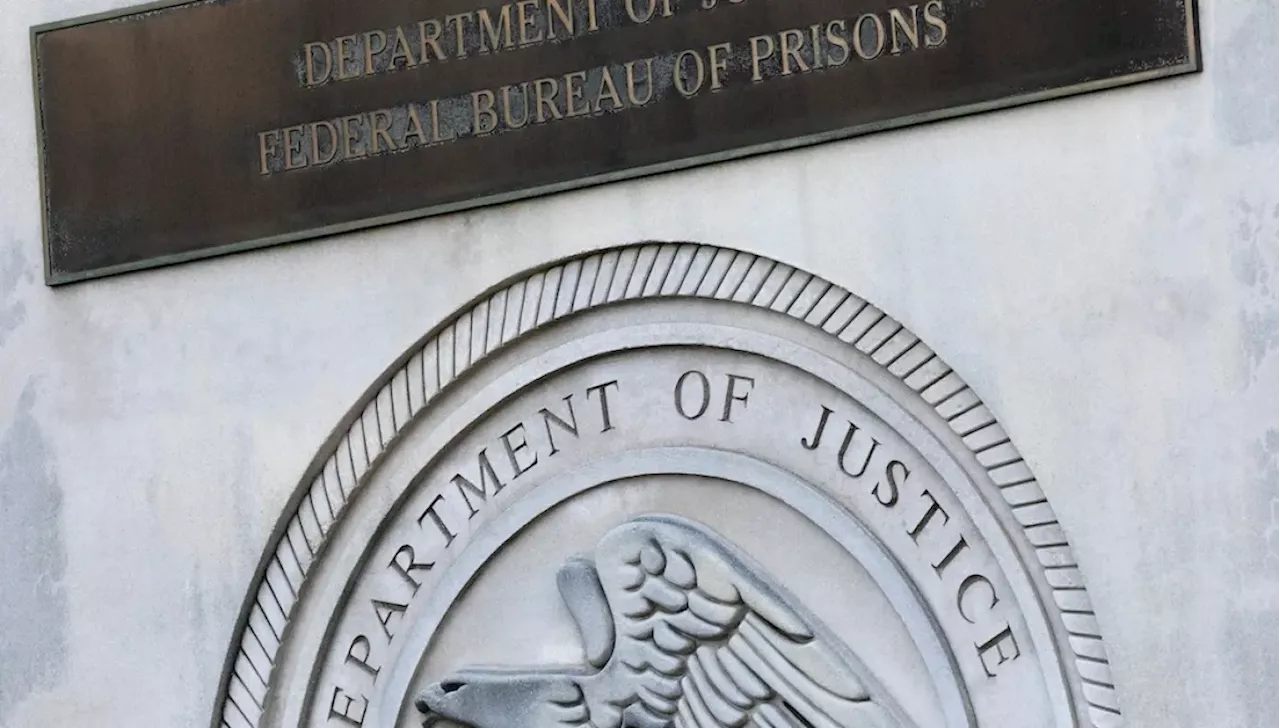
UPDATE: The U.S. Department of Justice has just announced a new policy expected to save taxpayers over $1.65 million previously allocated for transgender medical procedures in federal prisons. This significant shift in policy, issued on February 19, 2024, will eliminate federal funding for gender-affirming surgeries and related medical treatments for transgender inmates.
This urgent change comes as the Biden administration reverses previous practices that had cost the Federal Bureau of Prisons (BOP) approximately $1.65 million annually. Of this amount, about $1.25 million was spent on hormone-replacement therapy, which included $130,000 specifically for testosterone suppressants and estrogen injections. With the new policy, the BOP will no longer be responsible for funding surgeries or providing hormonal treatments for inmates seeking to alter their appearance.
In a statement, a DOJ official emphasized that the new policy would prevent nearly $2 million from being spent on procedures deemed potentially harmful and a source of safety concerns within correctional facilities. The official stated,
“This policy considers that drastic treatment, like sex trait modification surgeries, are harmful to inmates.”
Previously, wardens were mandated to provide necessary medical modifications, but under the revised guidelines, the BOP will now prescribe antidepressants and psychotherapy to address underlying mental health issues associated with gender dysphoria. For inmates already undergoing hormone therapy, a taper plan will be implemented to gradually reduce doses, ensuring a safe withdrawal process.
The policy also removes access to non-medical accommodations funded by taxpayers, such as breast padding, chest binders, and makeup, which inmates previously received as part of their “social transitioning.” Any currently used items will be confiscated by prison staff, although inmates will still have options to purchase gender-specific clothing and cosmetics.
This decision has sparked criticism from advocates and lawmakers. California state Senator Scott Wiener condemned the policy as part of a “genocidal campaign against trans people.” In contrast, the DOJ maintains that the revised approach allows for individualized assessments to address the specific needs of each inmate while prioritizing safety and mental health.
As this policy takes effect, questions arise about the implications for the treatment of transgender inmates and the future of funding for medical needs within the BOP. Observers will be watching closely to see how this will shape the landscape of transgender rights within the federal prison system.
Stay tuned for further updates on this developing story as reactions unfold and potential impacts on inmates are assessed.

Urgent Tax Savings Alert: Maximize Deductions Before April 15

Trump’s Administration Faces Uncertainty Over Government Shutdowns

Cosmic Defects: The Mystery of the Universe’s Missing Anomalies

Rapid City Parks Department Opens Registration for Bocce Leagues

Samsung Galaxy Watch 9 to Feature Larger 435mAh Battery Soon

Two Dead After Student Boats Capsize Off Okinawa Coast

Healthy Choice Wellness Reports Earnings with Mixed Results

Prince Harry Positions Himself as Royal Family’s Image Reviver

All Points North Lodge Achieves FSPHP-ETA Accreditation

Send Holiday Parcels for £1.99 with New Comparison Service

University of Hawaiʻi Leads $25M AI Project to Monitor Natural Disasters

Maui County Reopens Upgraded Lānaʻi Fifth Street Courts Today!

Daily Codeword Puzzle Launches on October 21, 2025

Congresswoman Under Fire for Misleading Epstein Donation Claims

Interstellar Object 3I/ATLAS Emits Unique Metal Alloy, Says Scientist

Trump Vows to Resolve Afghanistan-Pakistan Crisis “Very Quickly”

Charles Darwin’s Address Book Reveals Hidden Aspects of His Life

Rediscovering Chrysler: 5 Overlooked Models from the 1980s
-
 Lifestyle8 months ago
Send Holiday Parcels for £1.99 with New Comparison Service
-
Science9 months ago
University of Hawaiʻi Leads $25M AI Project to Monitor Natural Disasters
-
 Top Stories8 months ago
Maui County Reopens Upgraded Lānaʻi Fifth Street Courts Today!
-
 Entertainment10 months ago
Daily Codeword Puzzle Launches on October 21, 2025
-
 Lifestyle9 months ago
Congresswoman Under Fire for Misleading Epstein Donation Claims
-
 Science10 months ago
Interstellar Object 3I/ATLAS Emits Unique Metal Alloy, Says Scientist
-
 Top Stories9 months ago
Trump Vows to Resolve Afghanistan-Pakistan Crisis “Very Quickly”
-
 Science8 months ago
Charles Darwin’s Address Book Reveals Hidden Aspects of His Life
-
 Lifestyle8 months ago
Rediscovering Chrysler: 5 Overlooked Models from the 1980s
-

 Science7 months ago
Understanding Generation Z: Strategies for Engaging the Workforce
-

 Entertainment10 months ago
Kelly McCreary Discusses Future of Maggie and Winston in Grey’s Anatomy
-

 Entertainment7 months ago
Landmark Shift as Iconic Anime Series Concludes After 26 Years