
Top Stories
Maryland Lawmakers Face Backlash Over PFAS Fertilizer Bill

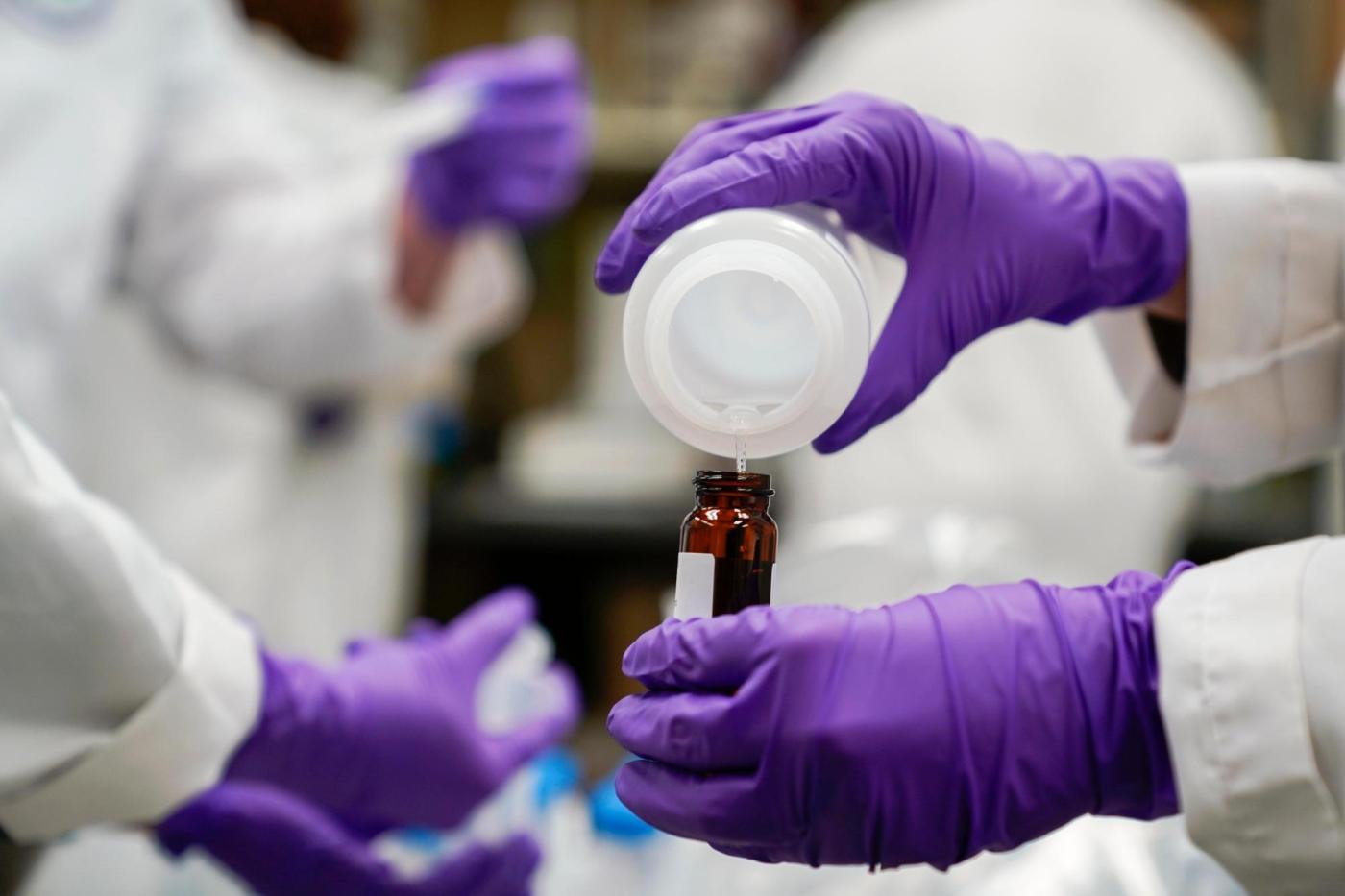
UPDATE: Maryland lawmakers are under fire as a new proposal threatens to permit the use of PFAS-contaminated sewage sludge as fertilizer on farmland. Despite acknowledging the dangers of these “forever chemicals,” state officials are considering legislation that could allow harmful levels of PFAS to seep into crops and groundwater, raising urgent public health concerns.
Over the past few years, Maryland has made significant strides in combating the PFAS crisis. In 2022, the state banned PFAS in food packaging and carpets, recognizing their toxic nature even in minimal exposure. However, the latest legislative move could undermine this progress, putting both farmers and consumers at risk.
The proposed bill would allow sewage sludge containing up to 50 parts per billion of certain PFAS chemicals to be spread on agricultural land. This threshold is alarmingly high—50 times greater than the level identified by the U.S. Environmental Protection Agency as posing unacceptable health risks. Lawmakers have been urged to consider the long-term impacts of allowing such chemicals to infiltrate the food supply and rural communities.
PFAS are linked to serious health issues, including cancer and immune system damage. Once released into the environment, these chemicals do not break down, accumulating in soil and water, and eventually entering the human body. They collect from various sources, including industrial discharges and household products, and can be directly introduced to farmland through contaminated sludge.
“Every time sludge is spread on farmland, it adds more PFAS to the already contaminated field,” warned Peter Blair, policy and advocacy director at environmental nonprofit Just Zero. He emphasized that prevention is the only reliable safeguard, stating, “Forever chemicals require permanent solutions—not temporary fixes.”
Last year, the EPA found that even minimal PFAS levels in sludge-based fertilizers could pose unacceptable risks. Yet, the current legislation does not close the door on this dangerous practice. Critics argue that the bill creates a false sense of safety, allowing for the continued contamination of agricultural land.
Farmers and rural communities are already grappling with the fallout from PFAS exposure. States like Maine have spent over $100 million to address PFAS contamination, highlighting a glaring disparity: if PFAS are too toxic for everyday products, why are they allowed in fertilizers on the fields where our food is grown?
The issue is not just one of environmental policy; it directly affects the health and safety of families and communities. As the legislature debates this critical legislation, the question remains: Will lawmakers uphold their commitment to public health, or will they settle for a half measure that permits ongoing pollution?
With an urgent call to action, advocates urge Maryland’s leaders to halt the use of PFAS-contaminated sludge on farmland and protect both the environment and public health. As this story develops, it’s clear that the stakes are high, impacting not only agricultural practices but the very future of food safety in Maryland.
Stay tuned for updates as this critical issue unfolds.

Urgent Tax Savings Alert: Maximize Deductions Before April 15

Trump’s Administration Faces Uncertainty Over Government Shutdowns

Cosmic Defects: The Mystery of the Universe’s Missing Anomalies

Rapid City Parks Department Opens Registration for Bocce Leagues

Samsung Galaxy Watch 9 to Feature Larger 435mAh Battery Soon

Two Dead After Student Boats Capsize Off Okinawa Coast

Healthy Choice Wellness Reports Earnings with Mixed Results

Prince Harry Positions Himself as Royal Family’s Image Reviver

All Points North Lodge Achieves FSPHP-ETA Accreditation

Send Holiday Parcels for £1.99 with New Comparison Service

University of Hawaiʻi Leads $25M AI Project to Monitor Natural Disasters

Maui County Reopens Upgraded Lānaʻi Fifth Street Courts Today!

Daily Codeword Puzzle Launches on October 21, 2025

Congresswoman Under Fire for Misleading Epstein Donation Claims

Interstellar Object 3I/ATLAS Emits Unique Metal Alloy, Says Scientist

Trump Vows to Resolve Afghanistan-Pakistan Crisis “Very Quickly”

Charles Darwin’s Address Book Reveals Hidden Aspects of His Life

Rediscovering Chrysler: 5 Overlooked Models from the 1980s
-
 Lifestyle8 months ago
Send Holiday Parcels for £1.99 with New Comparison Service
-
Science9 months ago
University of Hawaiʻi Leads $25M AI Project to Monitor Natural Disasters
-
 Top Stories8 months ago
Maui County Reopens Upgraded Lānaʻi Fifth Street Courts Today!
-
 Entertainment10 months ago
Daily Codeword Puzzle Launches on October 21, 2025
-
 Lifestyle9 months ago
Congresswoman Under Fire for Misleading Epstein Donation Claims
-
 Science10 months ago
Interstellar Object 3I/ATLAS Emits Unique Metal Alloy, Says Scientist
-
 Top Stories9 months ago
Trump Vows to Resolve Afghanistan-Pakistan Crisis “Very Quickly”
-
 Science8 months ago
Charles Darwin’s Address Book Reveals Hidden Aspects of His Life
-
 Lifestyle8 months ago
Rediscovering Chrysler: 5 Overlooked Models from the 1980s
-

 Science7 months ago
Understanding Generation Z: Strategies for Engaging the Workforce
-

 Entertainment10 months ago
Kelly McCreary Discusses Future of Maggie and Winston in Grey’s Anatomy
-

 Top Stories8 months ago
aespa Faces Backlash Over G-Dragon Interaction at 2025 MAMAs