
Top Stories
Millions Face Disruptive Winter Storm: Snow, Ice, and Cold Forecast

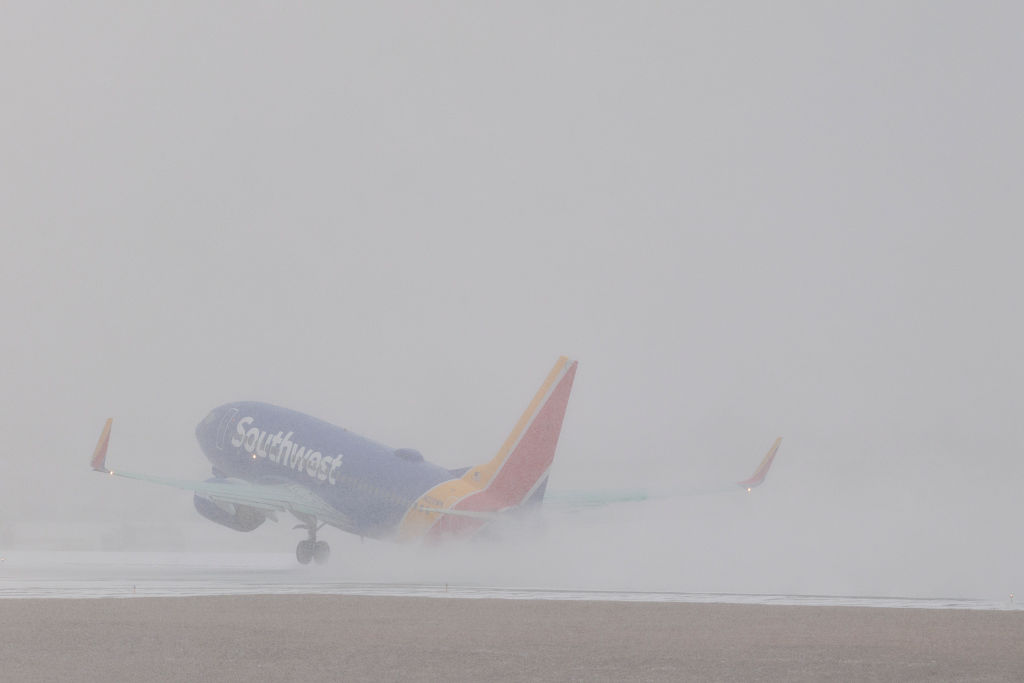
Millions of people across the United States are preparing for a severe winter storm that is causing significant disruptions to travel, threatening power infrastructure, and plunging temperatures well below freezing. The storm, which is impacting areas from Texas and Oklahoma to the Midwest and Northeast, has resulted in slick roads, numerous flight cancellations, and increased stress on energy grids, revealing vulnerabilities in systems that are often taken for granted.
In New York City, residents are facing temperatures in the single digits, with wind chills making conditions feel even more severe. Meanwhile, in Minneapolis, the regular sub-zero temperatures have dipped further into the negatives, yet protests and federal operations continue unabated. Major airports, including those in Dallas, Chicago, and New York, have canceled or delayed hundreds of flights, leaving travelers scrambling and stranded far from home.
As of now, at least 22 states and Washington, D.C. have declared a state of emergency in anticipation of this storm. States affected include Alabama, Arkansas, Delaware, Georgia, Kansas, Kentucky, Louisiana, Maryland, Mississippi, Missouri, Nebraska, New Jersey, New York, North Carolina, Ohio, Oklahoma, Pennsylvania, South Carolina, Tennessee, Texas, Virginia, and West Virginia.
Meteorologists have characterized the storm as notable for its timing and widespread impact. According to Bob Oravec, a lead forecaster at the National Weather Service, “Part of the storm system is bringing heavy snow, while other parts will see strong winds and much colder temperatures as the front passes.” The combination of ice, heavy snow, and arctic air has created a situation that not only disrupts daily life but raises concerns about the resilience of transportation and energy systems across the affected regions.
Forecasts indicate that the storm’s reach could leave many people stuck at home for several days. Residents are urged to stock supplies and prepare for overlapping hazards. The consequences of this storm are already evident: power outages in rural areas leave homes without heat for hours or even days, while snow-clogged roads hinder emergency responders. As schools, businesses, and public offices close, those without flexible schedules face difficult commutes or canceled travel plans.
Despite the claims of some climate change skeptics, scientists emphasize that warming global temperatures do not eliminate winter storms; rather, they can intensify them. Warmer air can hold more moisture, leading to heavier snowfall. This phenomenon, combined with aging infrastructure, can turn even predictable winter events into crises.
As crews work tirelessly to clear roads, restore power, and reopen airports, this storm serves as a stark reminder of the importance of preparation in mitigating the human impact of extreme weather.

Urgent Tax Savings Alert: Maximize Deductions Before April 15

Trump’s Administration Faces Uncertainty Over Government Shutdowns

Cosmic Defects: The Mystery of the Universe’s Missing Anomalies

Rapid City Parks Department Opens Registration for Bocce Leagues

Samsung Galaxy Watch 9 to Feature Larger 435mAh Battery Soon

Two Dead After Student Boats Capsize Off Okinawa Coast

Healthy Choice Wellness Reports Earnings with Mixed Results

Prince Harry Positions Himself as Royal Family’s Image Reviver

All Points North Lodge Achieves FSPHP-ETA Accreditation

Send Holiday Parcels for £1.99 with New Comparison Service

University of Hawaiʻi Leads $25M AI Project to Monitor Natural Disasters

Maui County Reopens Upgraded Lānaʻi Fifth Street Courts Today!

Daily Codeword Puzzle Launches on October 21, 2025

Congresswoman Under Fire for Misleading Epstein Donation Claims

Interstellar Object 3I/ATLAS Emits Unique Metal Alloy, Says Scientist

Trump Vows to Resolve Afghanistan-Pakistan Crisis “Very Quickly”

Charles Darwin’s Address Book Reveals Hidden Aspects of His Life

Rediscovering Chrysler: 5 Overlooked Models from the 1980s
-
 Lifestyle8 months ago
Send Holiday Parcels for £1.99 with New Comparison Service
-
Science9 months ago
University of Hawaiʻi Leads $25M AI Project to Monitor Natural Disasters
-
 Top Stories8 months ago
Maui County Reopens Upgraded Lānaʻi Fifth Street Courts Today!
-
 Entertainment10 months ago
Daily Codeword Puzzle Launches on October 21, 2025
-
 Lifestyle9 months ago
Congresswoman Under Fire for Misleading Epstein Donation Claims
-
 Science10 months ago
Interstellar Object 3I/ATLAS Emits Unique Metal Alloy, Says Scientist
-
 Top Stories9 months ago
Trump Vows to Resolve Afghanistan-Pakistan Crisis “Very Quickly”
-
 Science8 months ago
Charles Darwin’s Address Book Reveals Hidden Aspects of His Life
-
 Lifestyle8 months ago
Rediscovering Chrysler: 5 Overlooked Models from the 1980s
-

 Science7 months ago
Understanding Generation Z: Strategies for Engaging the Workforce
-

 Entertainment10 months ago
Kelly McCreary Discusses Future of Maggie and Winston in Grey’s Anatomy
-

 Top Stories8 months ago
aespa Faces Backlash Over G-Dragon Interaction at 2025 MAMAs