
Top Stories
New Study Reveals AI Users Overestimate Cognitive Skills

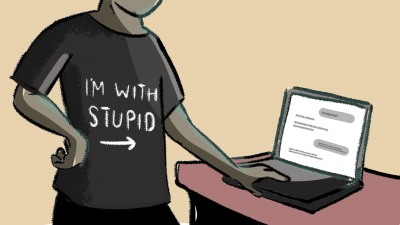
BREAKING: A groundbreaking study from Aalto University has just revealed that users of AI tools like ChatGPT significantly overestimate their cognitive performance. This urgent finding challenges previously accepted theories, indicating a widespread inability among individuals to accurately gauge their abilities when engaging with AI technology.
The research confirms a startling reversal of the Dunning-Kruger Effect, where those who perceive themselves as more knowledgeable about AI actually rate their skills much higher than reality warrants. This phenomenon has been documented across various user demographics, highlighting a critical gap in self-assessment abilities in the presence of artificial intelligence.
According to the study, which was published on October 28, 2025, all participants demonstrated this cognitive bias, leading to serious implications for how we understand human interaction with AI systems. Researchers found that regardless of their actual competence, individuals consistently believed they performed better than they did when interacting with ChatGPT.
This misjudgment of cognitive performance could have significant consequences, especially as AI tools become increasingly integrated into daily life and professional environments. With AI usage surging, the potential risks of inflated self-assessment demand immediate attention from educators, employers, and policymakers.
“Our findings suggest a critical need for better education on the limitations and capabilities of AI,” stated the lead researcher. This call to action is vital for ensuring that users develop a realistic understanding of their interactions with AI, fostering a more informed and cautious approach to technology.
As AI continues to evolve, the need for clear communication about its functionalities and limitations is paramount. Experts warn that without addressing this cognitive bias, individuals may rely too heavily on AI tools, leading to potential missteps in both personal and professional realms.
The implications of this study resonate deeply in our technology-driven world. Users must cultivate a realistic perspective on their capabilities to effectively harness the power of AI without overestimating their skills.
Stay tuned for more updates as researchers continue to explore the profound effects of AI on human cognition. This is an urgent reminder for all technology users to reassess their understanding of AI and its impact on decision-making processes.

Urgent Tax Savings Alert: Maximize Deductions Before April 15

Trump’s Administration Faces Uncertainty Over Government Shutdowns

Cosmic Defects: The Mystery of the Universe’s Missing Anomalies

Rapid City Parks Department Opens Registration for Bocce Leagues

Samsung Galaxy Watch 9 to Feature Larger 435mAh Battery Soon

Two Dead After Student Boats Capsize Off Okinawa Coast

Healthy Choice Wellness Reports Earnings with Mixed Results

Prince Harry Positions Himself as Royal Family’s Image Reviver

All Points North Lodge Achieves FSPHP-ETA Accreditation

Send Holiday Parcels for £1.99 with New Comparison Service

University of Hawaiʻi Leads $25M AI Project to Monitor Natural Disasters

Maui County Reopens Upgraded Lānaʻi Fifth Street Courts Today!

Daily Codeword Puzzle Launches on October 21, 2025

Congresswoman Under Fire for Misleading Epstein Donation Claims

Interstellar Object 3I/ATLAS Emits Unique Metal Alloy, Says Scientist

Trump Vows to Resolve Afghanistan-Pakistan Crisis “Very Quickly”

Charles Darwin’s Address Book Reveals Hidden Aspects of His Life

Rediscovering Chrysler: 5 Overlooked Models from the 1980s
-
 Lifestyle8 months ago
Send Holiday Parcels for £1.99 with New Comparison Service
-
Science9 months ago
University of Hawaiʻi Leads $25M AI Project to Monitor Natural Disasters
-
 Top Stories8 months ago
Maui County Reopens Upgraded Lānaʻi Fifth Street Courts Today!
-
 Entertainment10 months ago
Daily Codeword Puzzle Launches on October 21, 2025
-
 Lifestyle9 months ago
Congresswoman Under Fire for Misleading Epstein Donation Claims
-
 Science10 months ago
Interstellar Object 3I/ATLAS Emits Unique Metal Alloy, Says Scientist
-
 Top Stories9 months ago
Trump Vows to Resolve Afghanistan-Pakistan Crisis “Very Quickly”
-
 Science9 months ago
Charles Darwin’s Address Book Reveals Hidden Aspects of His Life
-
 Lifestyle8 months ago
Rediscovering Chrysler: 5 Overlooked Models from the 1980s
-
 Science7 months ago
Understanding Generation Z: Strategies for Engaging the Workforce
-

 Entertainment10 months ago
Kelly McCreary Discusses Future of Maggie and Winston in Grey’s Anatomy
-

 Top Stories8 months ago
aespa Faces Backlash Over G-Dragon Interaction at 2025 MAMAs