
Top Stories
Norwegian Explorer Amundsen Reaches South Pole First, Dec. 14, 1911

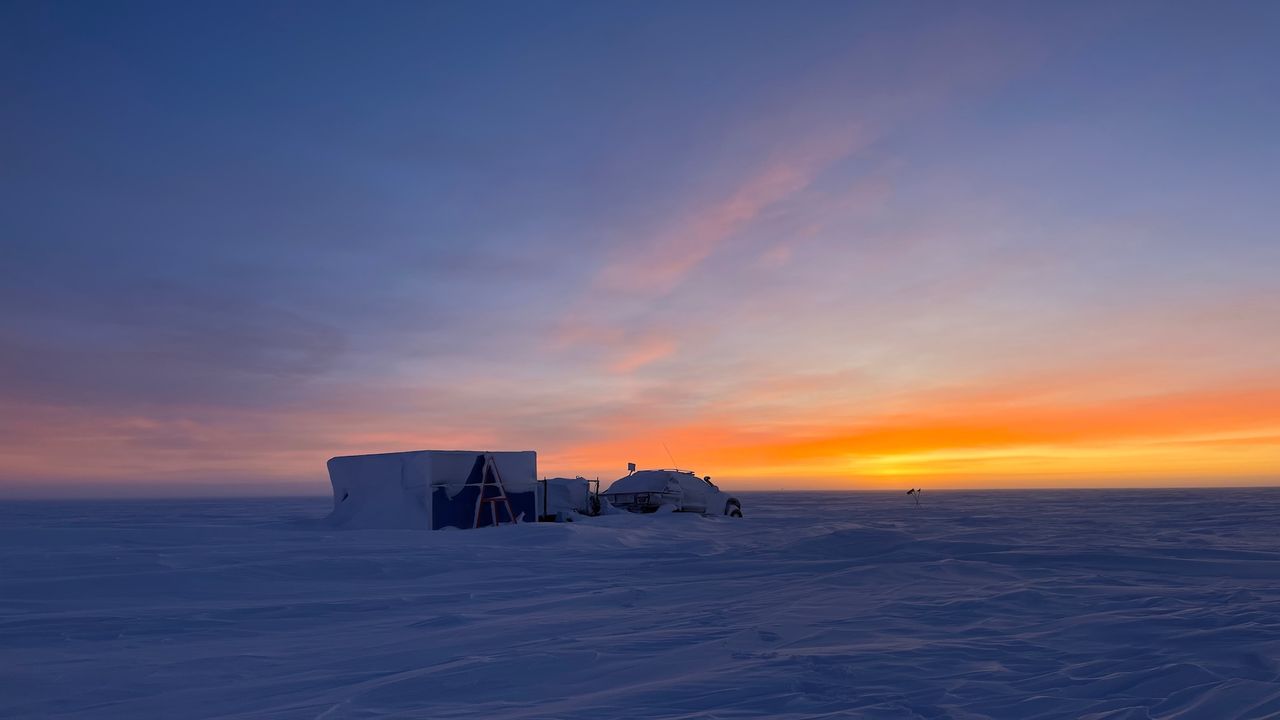
BREAKING NEWS: On December 14, 1911, Norwegian explorer Roald Amundsen achieved a monumental feat by becoming the first human to reach the geographic South Pole. This historic accomplishment marks a significant moment in exploration history, overshadowed by the tragic fate of his British rival, Robert Falcon Scott, who would perish just weeks later.
The fierce race to the South Pole began in 1910, igniting a battle of endurance and survival between Amundsen and Scott. Each explorer aimed to conquer the last unexplored continent on Earth. By the time Amundsen set sail from Norway on August 9, 1910, he had already kept his plans secret from everyone except three crew members, leading to a critical advantage.
Upon arriving at the Bay of Whales, Amundsen established his base camp, Framheim, a crucial 60 miles (100 kilometers) closer to the South Pole than Scott’s camp at McMurdo Sound. Early preparations allowed Amundsen to split his team effectively, with one group heading directly to the Pole and another exploring different regions.
On December 14, at 3 p.m. local time, Amundsen and his crew members, including Olav Bjaaland and Oscar Wisting, shouted “Halt!” upon believing they had reached their destination. They planted the Norwegian flag, marking a triumphant moment for Amundsen and his crew.
Meanwhile, Scott’s team arrived 35 days later only to discover Amundsen’s tent and flag. Tragically, Scott and his crew would not survive the return journey due to starvation, dehydration, and exposure to extreme cold. In his final journal entry on March 29, 1912, Scott poignantly wrote, “I do not think we can hope for any better things now…”
The differences in preparation and strategy likely contributed to Amundsen’s success. He utilized a shorter route and outfitted his team with traditional Inuit clothing, while Scott’s men wore wool, which was less effective against the brutal Antarctic conditions. Amundsen also efficiently managed supplies and made the controversial decision to eat sled dogs during the journey, ensuring that his crew could sustain themselves against the odds.
Recent analyses suggest that Scott’s expedition faced not only harsh weather conditions but also potential issues of mismanagement within his crew. A 2017 study in the journal Polar Record highlighted that crew member Edward Evans may have contributed to the failure by hoarding supplies, leading to critical shortages at key points.
As the world reflects on this historic race, the South Pole today serves as a hub for scientific research, housing the Amundsen-Scott South Pole Station and other observatories. The legacies of both explorers continue to spark interest in human endurance and the extremes of exploration.
The remarkable narrative of this race reminds us of both the triumphs and tragedies of exploration. Share this story to honor the incredible feats of those who ventured into the unknown!

17-Year-Old Girl Falls 100 Feet to Death at Queensland Lookout

At Least 11 Killed in Shooting at Jewish Gathering in Australia

Stream NFL RedZone Free This Week: Your Guide to Options

Health Expert Recommends Golden Milk Over Hot Chocolate for Sleep

Jewish Leaders Condemn Deadly Terror Attack at Bondi Beach

Wyoming Increases Stake in Agnico Eagle Mines by 69.5% in Q2

Urgent Update: 12 Dead in Bondi Beach Terror Attack During Chanukah

Adult Actress Bonnie Blue Arrested in Indonesia, Faces Deportation

Urgent Alert: Car Heaters Blowing Cold Air—4 Key Causes Revealed

University of Hawaiʻi Leads $25M AI Project to Monitor Natural Disasters

Interstellar Object 3I/ATLAS Emits Unique Metal Alloy, Says Scientist

Researchers Achieve Fastest Genome Sequencing in Under Four Hours

Iconic Sand Dollar Social Club Listed for $3 Million in Folly Beach

Afghan Refugee Detained by ICE After Asylum Hearing in New York

McEwen Inc. Secures Tartan Lake Gold Mine Through Acquisition

Peptilogics Secures $78 Million to Combat Prosthetic Joint Infections

Mars Observed: Detailed Imaging Reveals Dust Avalanche Dynamics

Jump for Good: San Clemente Pier Fundraiser Allows Legal Leaps
-
Science1 month ago
University of Hawaiʻi Leads $25M AI Project to Monitor Natural Disasters
-
 Science2 months ago
Interstellar Object 3I/ATLAS Emits Unique Metal Alloy, Says Scientist
-
 Science2 months ago
Researchers Achieve Fastest Genome Sequencing in Under Four Hours
-
 Business2 months ago
Iconic Sand Dollar Social Club Listed for $3 Million in Folly Beach
-
 Politics2 months ago
Afghan Refugee Detained by ICE After Asylum Hearing in New York
-
 Business2 months ago
McEwen Inc. Secures Tartan Lake Gold Mine Through Acquisition
-
 Health2 months ago
Peptilogics Secures $78 Million to Combat Prosthetic Joint Infections
-
 Science2 months ago
Mars Observed: Detailed Imaging Reveals Dust Avalanche Dynamics
-
 Lifestyle2 months ago
Jump for Good: San Clemente Pier Fundraiser Allows Legal Leaps
-

 Health2 months ago
Researcher Uncovers Zika Virus Pathway to Placenta Using Nanotubes
-

 Entertainment2 months ago
Jennifer Lopez Addresses A-Rod Split in Candid Interview
-

 World2 months ago
US Passport Ranks Drop Out of Top 10 for First Time Ever