
Top Stories
Oklahoma Lawmakers Advance Urgent Bill to Move Primaries Up

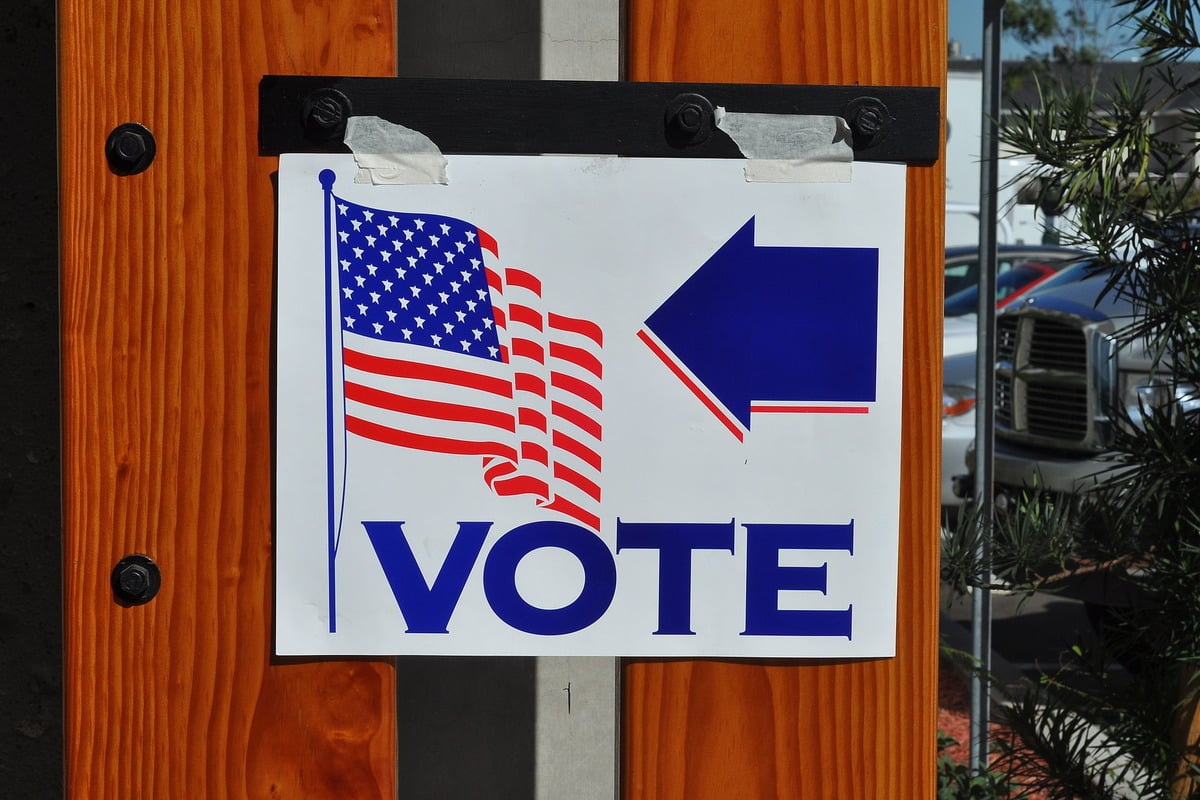
UPDATE: Oklahoma lawmakers are racing to change the state’s election calendar, advancing a bill that could dramatically shift primary dates earlier, allowing less time for campaigns and voters. The Oklahoma House Rules Committee voted 9-2 yesterday to push House Bill 2425 forward, setting the stage for immediate debate in the full House.
This urgent move comes as officials aim to boost voter turnout and streamline election processes. If approved, primaries would now be held on March 5 in even-numbered years, with runoff elections pushed to the third Tuesday in June. Candidate filing would begin on December 1 of odd-numbered years, meaning potential candidates for the 2028 elections would need to declare their intentions during the holiday season.
House Speaker Kyle Hilbert, who is spearheading the bill, argues that aligning Oklahoma’s primaries with the presidential election cycle will invigorate turnout. “We believe this change will give election officials more time to prepare and ultimately benefit voters,” he stated. Supporters maintain that earlier dates will help process absentee ballots more efficiently and encourage higher participation rates.
However, opponents raise serious concerns. Critics, including Rep. Andy Fugate, warn that this new schedule could disproportionately favor incumbents and well-funded candidates. “An earlier filing period could give legislators an entire session without worrying about challengers,” Fugate cautioned, suggesting that it could diminish accountability among elected officials.
Election experts, like political consultant Teresa Gawey, echo these sentiments, stating the bill could “narrow the field of candidates” and make it tougher for grassroots movements to gain traction. The compressed timeline may hinder challengers from building name recognition and fundraising effectively.
The proposed legislation also includes a controversial provision that would prevent voters from changing their party affiliation from December 1 to June 30, limiting the ability of independent voters to strategically participate in primaries. Voting-rights advocates argue this could disenfranchise many voters, making the primary electorate less representative. Supporters counter that this change is essential for stabilizing voter rolls to facilitate election preparations.
With the committee’s vote now on record, House Bill 2425 is set for discussion in the full House, where legislators must weigh the operational benefits against the potential drawbacks of reduced candidate diversity. As the debate unfolds, all eyes will be on how this bill could reshape the political landscape in Oklahoma and beyond.
Stay tuned for developments as this critical issue progresses through the legislative process. The implications of an altered election calendar could resonate significantly for candidates and voters alike, with the potential to reshape future elections in Oklahoma.

Urgent Tax Savings Alert: Maximize Deductions Before April 15

Trump’s Administration Faces Uncertainty Over Government Shutdowns

Cosmic Defects: The Mystery of the Universe’s Missing Anomalies

Rapid City Parks Department Opens Registration for Bocce Leagues

Samsung Galaxy Watch 9 to Feature Larger 435mAh Battery Soon

Two Dead After Student Boats Capsize Off Okinawa Coast

Healthy Choice Wellness Reports Earnings with Mixed Results

Prince Harry Positions Himself as Royal Family’s Image Reviver

All Points North Lodge Achieves FSPHP-ETA Accreditation

Send Holiday Parcels for £1.99 with New Comparison Service

University of Hawaiʻi Leads $25M AI Project to Monitor Natural Disasters

Maui County Reopens Upgraded Lānaʻi Fifth Street Courts Today!

Interstellar Object 3I/ATLAS Emits Unique Metal Alloy, Says Scientist

Kelly McCreary Discusses Future of Maggie and Winston in Grey’s Anatomy

Daily Codeword Puzzle Launches on October 21, 2025

Congresswoman Under Fire for Misleading Epstein Donation Claims

Trump Vows to Resolve Afghanistan-Pakistan Crisis “Very Quickly”

Researchers Achieve Fastest Genome Sequencing in Under Four Hours
-
 Lifestyle4 months ago
Send Holiday Parcels for £1.99 with New Comparison Service
-
Science5 months ago
University of Hawaiʻi Leads $25M AI Project to Monitor Natural Disasters
-
 Top Stories4 months ago
Maui County Reopens Upgraded Lānaʻi Fifth Street Courts Today!
-
 Science6 months ago
Interstellar Object 3I/ATLAS Emits Unique Metal Alloy, Says Scientist
-
 Entertainment6 months ago
Kelly McCreary Discusses Future of Maggie and Winston in Grey’s Anatomy
-
 Entertainment6 months ago
Daily Codeword Puzzle Launches on October 21, 2025
-
 Lifestyle5 months ago
Congresswoman Under Fire for Misleading Epstein Donation Claims
-
 Top Stories6 months ago
Trump Vows to Resolve Afghanistan-Pakistan Crisis “Very Quickly”
-
 Science6 months ago
Researchers Achieve Fastest Genome Sequencing in Under Four Hours
-

 Business6 months ago
Iconic Sand Dollar Social Club Listed for $3 Million in Folly Beach
-

 Science5 months ago
Charles Darwin’s Address Book Reveals Hidden Aspects of His Life
-

 Politics6 months ago
Afghan Refugee Detained by ICE After Asylum Hearing in New York