
Top Stories
South Korea’s Judicial Reforms Face Urgent Backlash from Experts

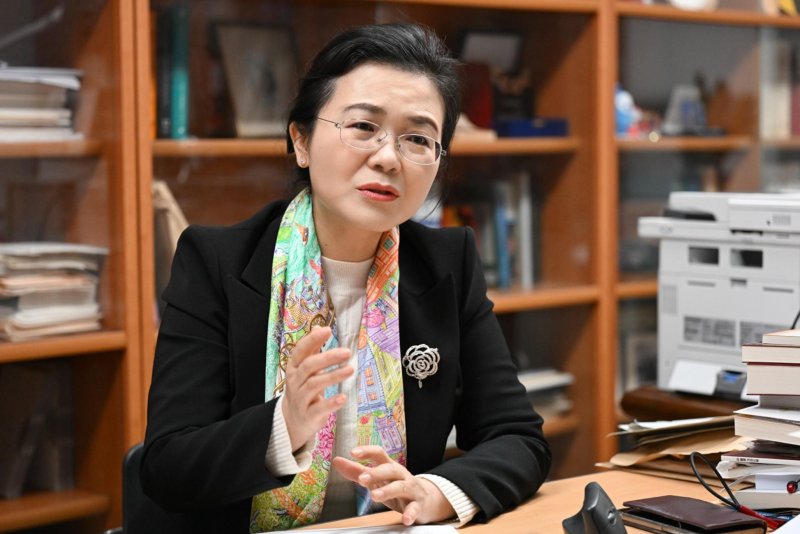
UPDATE: A prominent law professor at Korea University has issued an urgent warning regarding a series of judicial reform bills backed by South Korea’s ruling party. Cha Jin-ah, a specialist in constitutional law, asserts these reforms could significantly weaken judicial independence and jeopardize the separation of powers.
In an interview conducted on December 17, 2023, Cha stated, “Unchecked power leads to dictatorship,” highlighting the potential dangers of the proposed changes, which include expanding the Supreme Court and establishing a controversial special court for treason.
The proposed reforms come at a critical time in South Korean politics, raising alarms about the implications for democracy. Cha points out that while she supports some reforms—such as a limited increase in Supreme Court justices—she is concerned about the details and the haste with which these bills are being pushed through.
The ruling party’s proposals aim to increase the number of Supreme Court justices by up to 12, a move Cha describes as politically motivated and a threat to judicial integrity. “Replacing that many people at once becomes a blatant political appointment,” she cautioned.
Additionally, Cha expressed skepticism about the introduction of a court petition system, arguing it could overwhelm the Constitutional Court with cases and compromise its ability to function effectively.
“The motives behind expanding the Supreme Court and reviewing powers look suspicious,” Cha warned. “The Constitutional Court should speak out when judicial independence is threatened.”
Among the most contentious proposals is the creation of a special court for treason and the introduction of a crime for “distorting the law.” Cha vehemently opposes these measures, stating, “A special court for treason is unconstitutional. Fair trials become meaningless, resulting in predetermined outcomes.”
She argues the crime of distorting the law is not only barbaric but echoes historical precedents from regimes that abused judicial power. “If adopted here, it will be exploited endlessly, dragging out cases,” she added, underscoring the potential for abuse of power.
Furthermore, plans to abolish the court administration office and form a judicial administration committee have raised additional concerns. Cha insists that stripping judicial authority from the courts violates the Constitution, which clearly grants judicial power to the courts.
As the ruling party holds a majority, Cha emphasizes that public opinion is crucial in stopping these legislative changes. “Democracy does not operate only on election day. The people must control power,” she stated, urging citizens and opposition parties to take a stand against what she describes as an impending erosion of democratic standards.
As this situation develops, the implications for South Korea’s judicial system and democratic health remain profound. With the ruling party pushing forward with these reforms, observers are left to question the future of judicial independence in the country.
Stay tuned for updates as this story unfolds and the debate over judicial reforms continues to escalate.

Netflix Secures Exclusive Deal for Pardon My Take in 2026

PETA Condemns Simone Biles for Getting Puppy with Cropped Ears

Researchers Uncover Distinct Cold Sensors in Skin and Organs

Russia’s Sabotage Campaign Targets Europe, Western Officials Report

EUR/GBP Rises as Bank of England Set to Cut Rates

Ana Urushadze’s ‘Supporting Role’ Trailer Unveiled Ahead of Premiere

City Council Proposes New Community Safety Agency Under Mamdani

French Business Confidence Soars to Highest Level Since June 2024

Urgent Power Restoration Efforts Underway in Clark County

Send Holiday Parcels for £1.99 with New Comparison Service

University of Hawaiʻi Leads $25M AI Project to Monitor Natural Disasters

Interstellar Object 3I/ATLAS Emits Unique Metal Alloy, Says Scientist

Researchers Achieve Fastest Genome Sequencing in Under Four Hours

Iconic Sand Dollar Social Club Listed for $3 Million in Folly Beach

Afghan Refugee Detained by ICE After Asylum Hearing in New York

McEwen Inc. Secures Tartan Lake Gold Mine Through Acquisition

Peptilogics Secures $78 Million to Combat Prosthetic Joint Infections

Jump for Good: San Clemente Pier Fundraiser Allows Legal Leaps
-
 Lifestyle1 week ago
Send Holiday Parcels for £1.99 with New Comparison Service
-
Science2 months ago
University of Hawaiʻi Leads $25M AI Project to Monitor Natural Disasters
-
 Science2 months ago
Interstellar Object 3I/ATLAS Emits Unique Metal Alloy, Says Scientist
-
 Science2 months ago
Researchers Achieve Fastest Genome Sequencing in Under Four Hours
-
 Business2 months ago
Iconic Sand Dollar Social Club Listed for $3 Million in Folly Beach
-
 Politics2 months ago
Afghan Refugee Detained by ICE After Asylum Hearing in New York
-
 Business2 months ago
McEwen Inc. Secures Tartan Lake Gold Mine Through Acquisition
-
 Health2 months ago
Peptilogics Secures $78 Million to Combat Prosthetic Joint Infections
-
 Lifestyle2 months ago
Jump for Good: San Clemente Pier Fundraiser Allows Legal Leaps
-

 Science2 months ago
Mars Observed: Detailed Imaging Reveals Dust Avalanche Dynamics
-

 Health2 months ago
Researcher Uncovers Zika Virus Pathway to Placenta Using Nanotubes
-

 Entertainment2 months ago
Jennifer Lopez Addresses A-Rod Split in Candid Interview