
Top Stories
Urgent Guide: Decoding Tire Numbers for Safer Driving NOW

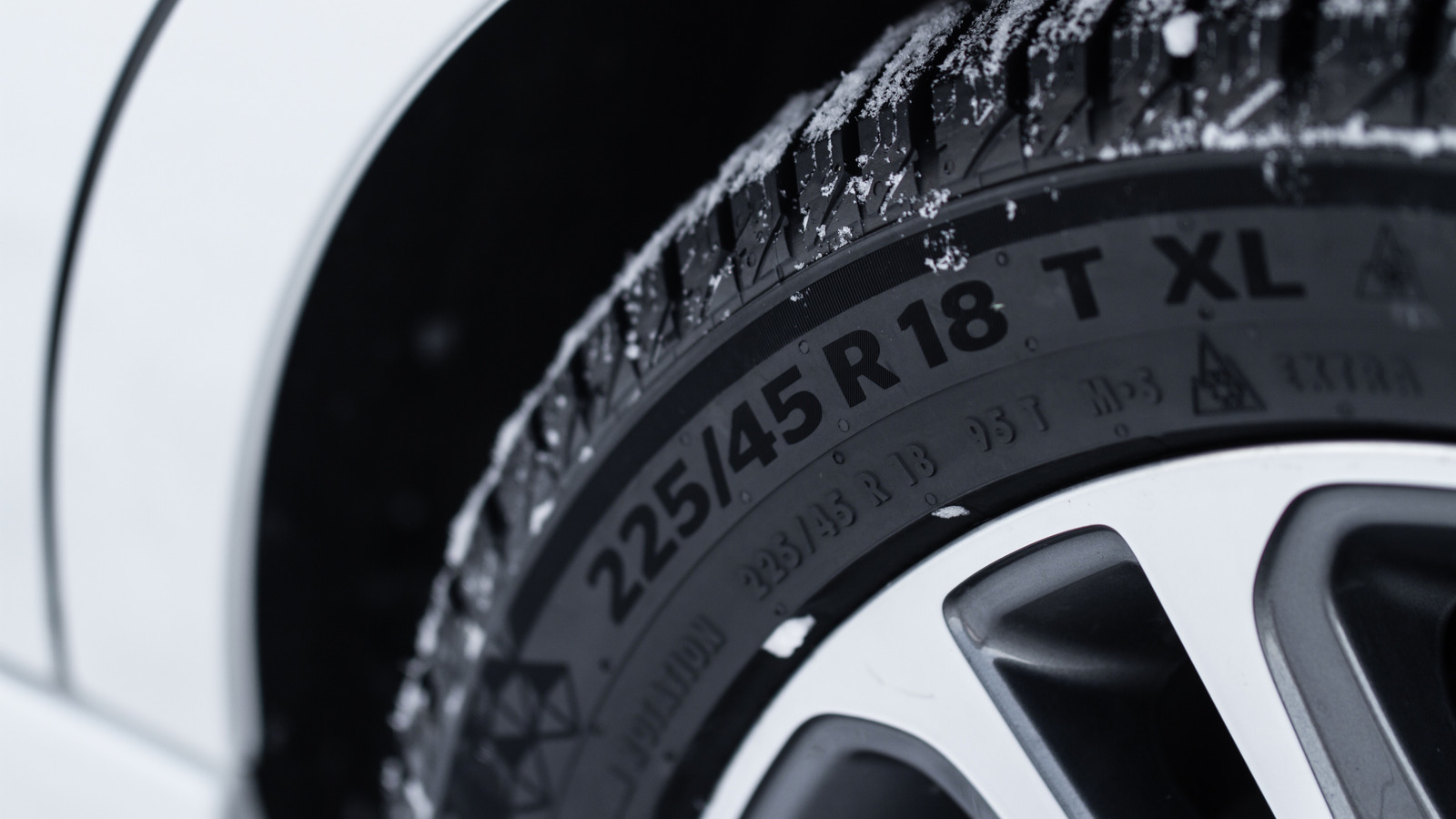
UPDATE: New reports confirm that understanding the numbers on your tires is crucial for safety and performance. With many drivers unaware of what these codes mean, experts stress that knowing how to read tire specifications can prevent accidents and enhance vehicle handling.
When you glance at your tire’s sidewall, it often resembles a jumble of letters and numbers. However, these markings are a standardized code designed to convey essential information about the tire’s capabilities. For instance, the common code P275/40 ZR18 89Y reveals everything from tire type to speed ratings.
The first letter, P, indicates a passenger tire, while LT would signal a light truck tire. The number 275 specifies the tire’s width in millimeters, an important measurement especially if you’re considering changing your vehicle’s wheel setup. The subsequent 40 represents the aspect ratio, meaning the sidewall height is 40% of the tire’s width—crucial for handling characteristics, especially in off-road conditions.
Next, the letter R indicates the tire’s construction type—most commonly radial. Following this is the wheel diameter, noted as 18 inches, which is pivotal as tires do not fit incorrectly sized rims. A compact car typically uses a diameter between 15 to 17 inches, while many sports cars require larger sizes.
The load index, represented by 89, shows how much weight the tire can carry; in this case, 1,279 pounds. This is vital for ensuring your vehicle remains safe under load. Finally, the speed rating Y indicates the tire’s maximum sustained speed—here, a staggering 186 mph. Always select tires with equal or greater ratings than your originals for safety.
Beyond these essential details, tires feature a DOT number that certifies they meet U.S. safety standards. This number includes a four-digit date stamp indicating the week and year of manufacture, crucial for spotting counterfeit tires. The maximum pressure and load markings on the tire should not be confused with your vehicle’s specifications; always refer to the sticker found inside your driver’s door for optimal pressure settings.
In addition, the UTQG rating provides insights into treadwear, traction, and temperature resistance, helping you compare tires within the same brand. Furthermore, markings like M+S (indicating mud and snow capability) and the three-peak mountain-snowflake symbol signify compliance with winter traction standards.
As tire safety becomes increasingly critical, understanding these markings empowers drivers to make informed decisions. With the right knowledge, replacing worn tires with safer options is straightforward. Experts recommend regular maintenance, including tire rotation and monitoring pressure, to maximize performance and longevity.
Don’t wait—ensure your vehicle is equipped with suitable tires today. Share this vital information with fellow drivers to enhance road safety for everyone.

Urgent Tax Savings Alert: Maximize Deductions Before April 15

Trump’s Administration Faces Uncertainty Over Government Shutdowns

Cosmic Defects: The Mystery of the Universe’s Missing Anomalies

Rapid City Parks Department Opens Registration for Bocce Leagues

Samsung Galaxy Watch 9 to Feature Larger 435mAh Battery Soon

Two Dead After Student Boats Capsize Off Okinawa Coast

Healthy Choice Wellness Reports Earnings with Mixed Results

Prince Harry Positions Himself as Royal Family’s Image Reviver

All Points North Lodge Achieves FSPHP-ETA Accreditation

Send Holiday Parcels for £1.99 with New Comparison Service

University of Hawaiʻi Leads $25M AI Project to Monitor Natural Disasters

Maui County Reopens Upgraded Lānaʻi Fifth Street Courts Today!

Daily Codeword Puzzle Launches on October 21, 2025

Congresswoman Under Fire for Misleading Epstein Donation Claims

Interstellar Object 3I/ATLAS Emits Unique Metal Alloy, Says Scientist

Trump Vows to Resolve Afghanistan-Pakistan Crisis “Very Quickly”

Charles Darwin’s Address Book Reveals Hidden Aspects of His Life

Rediscovering Chrysler: 5 Overlooked Models from the 1980s
-
 Lifestyle8 months ago
Send Holiday Parcels for £1.99 with New Comparison Service
-
Science9 months ago
University of Hawaiʻi Leads $25M AI Project to Monitor Natural Disasters
-
 Top Stories8 months ago
Maui County Reopens Upgraded Lānaʻi Fifth Street Courts Today!
-
 Entertainment10 months ago
Daily Codeword Puzzle Launches on October 21, 2025
-
 Lifestyle9 months ago
Congresswoman Under Fire for Misleading Epstein Donation Claims
-
 Science10 months ago
Interstellar Object 3I/ATLAS Emits Unique Metal Alloy, Says Scientist
-
 Top Stories9 months ago
Trump Vows to Resolve Afghanistan-Pakistan Crisis “Very Quickly”
-
 Science9 months ago
Charles Darwin’s Address Book Reveals Hidden Aspects of His Life
-
 Lifestyle8 months ago
Rediscovering Chrysler: 5 Overlooked Models from the 1980s
-

 Science7 months ago
Understanding Generation Z: Strategies for Engaging the Workforce
-

 Entertainment10 months ago
Kelly McCreary Discusses Future of Maggie and Winston in Grey’s Anatomy
-

 Top Stories8 months ago
aespa Faces Backlash Over G-Dragon Interaction at 2025 MAMAs