
Top Stories
Urgent: Sudan’s Military Deepens Ties with Muslim Brotherhood

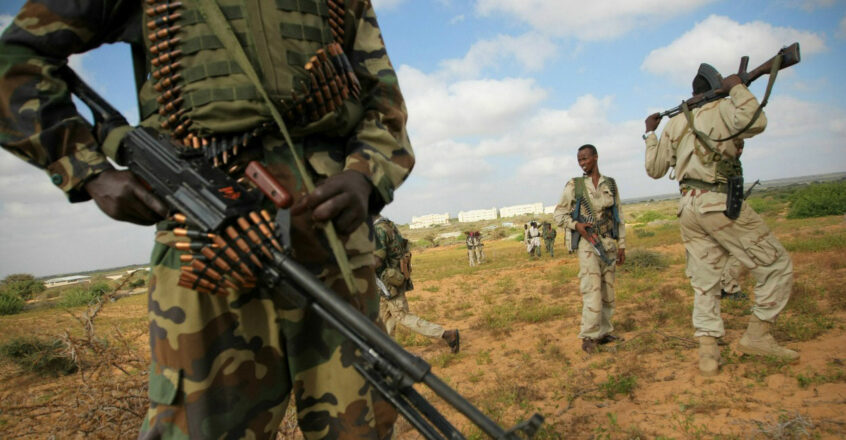
UPDATE: New reports confirm a troubling escalation in Sudan as the Sudanese Armed Forces (SAF) align more closely with the Muslim Brotherhood, raising urgent questions about U.S. policy. This development underscores a growing contradiction in Washington’s approach, as the SAF, led by General Abdel Fattah al-Burhan, increasingly serves the interests of non-Sudanese, Islamist factions.
The situation is dire: Sudan is engulfed in a brutal civil war, dominated by the SAF and the Rapid Support Forces (RSF). However, the narrative has shifted as many Sudanese recognize that the SAF is not merely a national army but a vehicle for the Muslim Brotherhood’s ideological agenda. This alarming trend complicates international relations, especially as the U.S. has previously designated Muslim Brotherhood factions in Egypt, Jordan, and Lebanon as terrorist organizations.
The stakes are high. The SAF, once seen as a conventional military force, has become deeply intertwined with Islamist networks, undermining prospects for democratic reform and exacerbating the humanitarian crisis. Key figures like Ali Karti, former foreign minister and leader of the El Baraa Ibn Malik Brigade, and Ahmed Haroun, a war criminal linked to the National Congress Party, wield significant influence within the SAF. Together with others such as Ali Osman Taha and Osama Abdallah, they reinforce the military’s alignment with Islamist ideologies, leaving General Burhan as a mere figurehead.
The international community has witnessed horrific outcomes from this Islamist influence. Reports from 2023 detail atrocities committed by the SAF against non-Arab ethnicities, including horrific acts of violence and the systematic blocking of humanitarian aid. The U.S. Treasury has already sanctioned Karti’s brigade for its role in these violations, highlighting the broader dilemma faced by nations engaging with the SAF.
As of late 2025, thousands of former regime Islamists have reportedly joined forces with the SAF. This influx complicates peace efforts, raising critical questions about the effectiveness of continued engagement with the military leadership. The Civil Democratic Alliance for Revolutionary Forces (Somoud) has called for international support for a democratic transition, blaming the SAF and its Islamist allies for the ongoing violence.
Meanwhile, the Sudan Founding Alliance (Tasis) has emerged as a beacon of hope, advocating for a secular and democratic Sudan. For movements like Somoud and Tasis to thrive, international partners must reassess their engagement strategies with the SAF and its embedded Islamist networks.
The implications are profound: as the SAF solidifies its connections with the Brotherhood, the risk of undermining democratic aspirations increases. Figures such as Burhan and Karti remain pivotal in these networks, posing a significant challenge to international legitimacy and the support of democratic reform.
The urgent need for a reevaluation of U.S. policy is clear. Continued recognition of these actors may further entrench the forces obstructing peace and democracy in Sudan. As the situation evolves, international stakeholders must act decisively to navigate this complex landscape, ensuring that support aligns with the aspirations of the Sudanese people for a just and inclusive political future.
This situation warrants immediate attention, as the future of Sudan hangs in the balance. Stay tuned for further developments as this critical story unfolds.

Urgent Tax Savings Alert: Maximize Deductions Before April 15

Trump’s Administration Faces Uncertainty Over Government Shutdowns

Cosmic Defects: The Mystery of the Universe’s Missing Anomalies

Rapid City Parks Department Opens Registration for Bocce Leagues

Samsung Galaxy Watch 9 to Feature Larger 435mAh Battery Soon

Two Dead After Student Boats Capsize Off Okinawa Coast

Healthy Choice Wellness Reports Earnings with Mixed Results

Prince Harry Positions Himself as Royal Family’s Image Reviver

All Points North Lodge Achieves FSPHP-ETA Accreditation

Send Holiday Parcels for £1.99 with New Comparison Service

University of Hawaiʻi Leads $25M AI Project to Monitor Natural Disasters

Maui County Reopens Upgraded Lānaʻi Fifth Street Courts Today!

Interstellar Object 3I/ATLAS Emits Unique Metal Alloy, Says Scientist

Kelly McCreary Discusses Future of Maggie and Winston in Grey’s Anatomy

Daily Codeword Puzzle Launches on October 21, 2025

Congresswoman Under Fire for Misleading Epstein Donation Claims

Trump Vows to Resolve Afghanistan-Pakistan Crisis “Very Quickly”

Researchers Achieve Fastest Genome Sequencing in Under Four Hours
-
 Lifestyle4 months ago
Send Holiday Parcels for £1.99 with New Comparison Service
-
Science5 months ago
University of Hawaiʻi Leads $25M AI Project to Monitor Natural Disasters
-
 Top Stories4 months ago
Maui County Reopens Upgraded Lānaʻi Fifth Street Courts Today!
-
 Science6 months ago
Interstellar Object 3I/ATLAS Emits Unique Metal Alloy, Says Scientist
-
 Entertainment6 months ago
Kelly McCreary Discusses Future of Maggie and Winston in Grey’s Anatomy
-
 Entertainment6 months ago
Daily Codeword Puzzle Launches on October 21, 2025
-
 Lifestyle5 months ago
Congresswoman Under Fire for Misleading Epstein Donation Claims
-
 Top Stories6 months ago
Trump Vows to Resolve Afghanistan-Pakistan Crisis “Very Quickly”
-
 Science6 months ago
Researchers Achieve Fastest Genome Sequencing in Under Four Hours
-

 Business6 months ago
Iconic Sand Dollar Social Club Listed for $3 Million in Folly Beach
-

 Science5 months ago
Charles Darwin’s Address Book Reveals Hidden Aspects of His Life
-
 Politics6 months ago
Afghan Refugee Detained by ICE After Asylum Hearing in New York