
World
Billionaires Invest in Tech Cities, Shaping New Governance Models

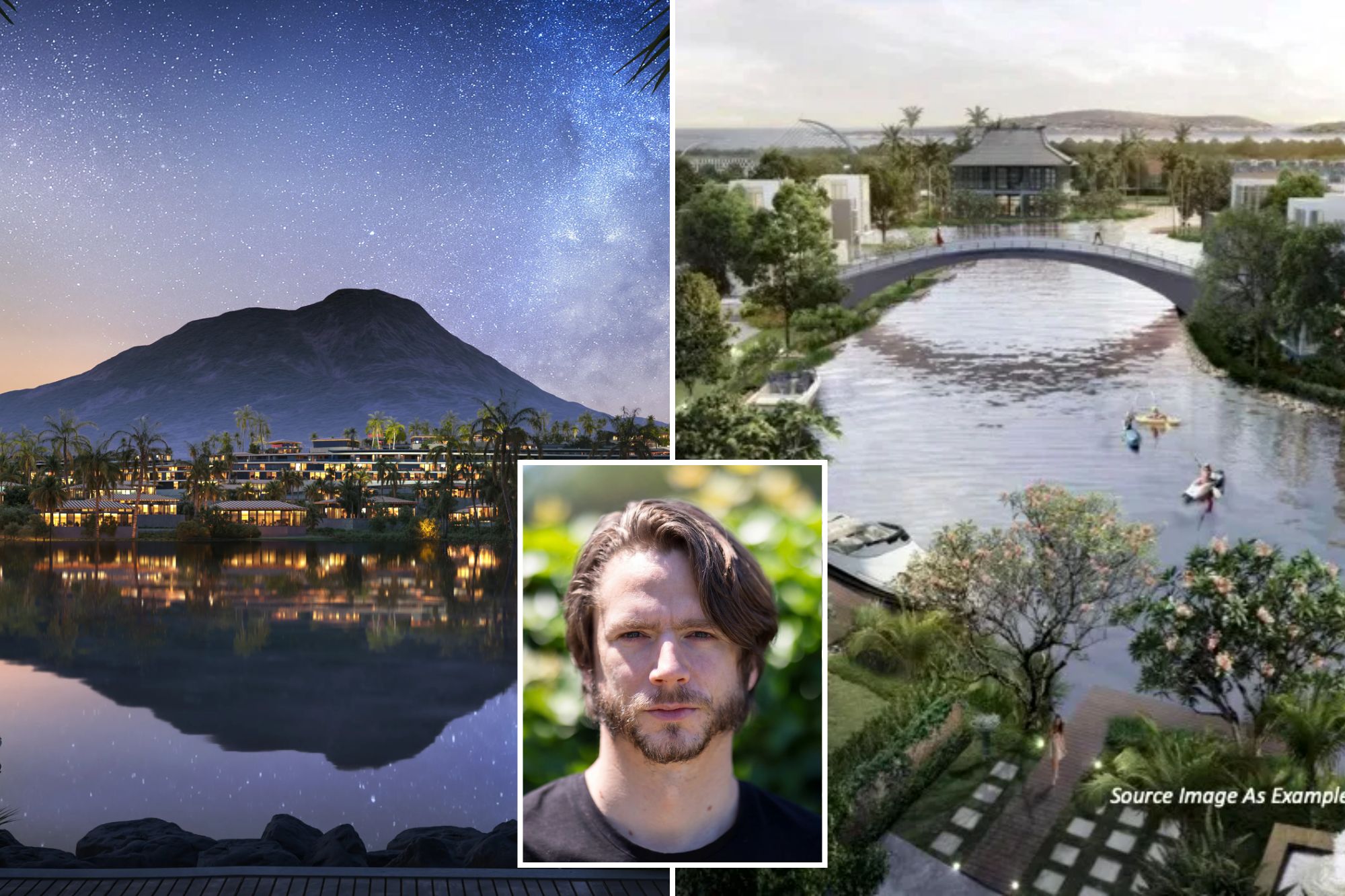
Wealthy venture capitalists are increasingly turning to the idea of building their own cities, investing heavily in projects that promise innovative governance and luxury living. This trend is particularly noticeable in economically developing regions, where billionaire entrepreneurs are negotiating with local governments to establish self-governing communities. These developments often allow investors to influence laws and regulations, reflecting a growing dissatisfaction with existing political structures.
Mark Lutter, founder of the non-profit Charter Cities Institute, emphasizes that these initiatives aim to create better governance, potentially lifting millions out of poverty. According to Lutter, this movement is not merely about personal ambition but is rooted in a desire for improved living conditions and governance.
Key Projects in the Billionaire City Trend
Several notable projects exemplify this trend, each with unique visions and challenges.
**Prospera, Honduras** is one of the most established projects, featuring around 1,000 residents in a gated community that includes beaches and golf courses. Founded by Venezuelan money manager Erick Brimen and supported by investor Peter Thiel, Prospera operates under its own legal framework. It allows for unique health regulations, including access to longevity drugs. Studio apartments are priced from $120,000, while larger villas can reach $850,000.
In the Caribbean, **Destiny**, spearheaded by cryptocurrency millionaire Oliver Janssens, aims to transform a 4-square-mile area on the island of Nevis into a family-friendly community. Janssens plans to sell about 1,000 housing units annually, with prices ranging from $500,000 to $3 million. He envisions a locale where property owners have a say in governance, akin to a homeowner’s association.
**Alpha Cities** in West Africa is a more ambitious venture led by Patri Friedman, who seeks to create multiple cities focused on industrial development. Although details remain in the planning stages, Friedman aims to establish data centers and electric vehicle manufacturing, drawing inspiration from Singapore’s rapid development.
Another noteworthy project is **California Forever**, which aims to restore the California dream through sustainable development. With an initial funding of $1 billion and support from figures like LinkedIn co-founder Reid Hoffman, the project plans to create a city that prioritizes affordable housing and advanced manufacturing. Plans include a park larger than Central Park and walkable neighborhoods, with groundbreaking expected in 2027.
**Sherbro Island**, led by British actor Idris Elba, aims to modernize this area in Sierra Leone. Recently cleared by the government as a Special Economic Zone, the project envisions a culturally diverse eco-city centered around a wind farm, reflecting Elba’s commitment to his ancestral homeland.
Challenges and Cautionary Tales
Despite the enthusiasm surrounding these projects, the path to realization is fraught with challenges. **Akon City** in Senegal serves as a cautionary tale. Backed by the musician Akon, the city was envisioned as a real-life version of Wakanda, powered by solar energy and utilizing his cryptocurrency, Akoin. However, as of 2025, only a reception building has been completed, with the project struggling due to a lack of investment and infrastructure. Authorities are now reconsidering the project, shifting focus towards more realistic developments such as a vacation resort.
The contrast between vision and reality in these billionaire-led city projects raises important questions about governance, investment, and the ability to create sustainable communities. As these ambitious plans unfold, the implications for local populations and broader economic systems remain to be seen.

Packers QB Jordan Love Exits After Head Hit; Concussion Evaluated

First Wheelchair User in Space Captures Global Attention Today

ABC7 Chicago Launches ‘Chicago Proud’ Series Showcasing Local Heroes

Duke vs. Texas Tech: No. 3 Blue Devils Clash at MSG NOW

Oscar Smith’s Johnson Named Offensive Player of the Year

Discover the Top 10 K-Romances of 2025 That Captivated Audiences

Ancient Plague’s Origins Revealed Through Sheep DNA Discovery

Transform Your Home: 9 Tips to Upgrade Style on a Budget

Republicans Clash Over Affordable Care Act Funding Revival

Send Holiday Parcels for £1.99 with New Comparison Service

University of Hawaiʻi Leads $25M AI Project to Monitor Natural Disasters

Interstellar Object 3I/ATLAS Emits Unique Metal Alloy, Says Scientist

Researchers Achieve Fastest Genome Sequencing in Under Four Hours

Iconic Sand Dollar Social Club Listed for $3 Million in Folly Beach

Afghan Refugee Detained by ICE After Asylum Hearing in New York

Peptilogics Secures $78 Million to Combat Prosthetic Joint Infections

McEwen Inc. Secures Tartan Lake Gold Mine Through Acquisition

Jump for Good: San Clemente Pier Fundraiser Allows Legal Leaps
-
 Lifestyle2 weeks ago
Send Holiday Parcels for £1.99 with New Comparison Service
-
Science2 months ago
University of Hawaiʻi Leads $25M AI Project to Monitor Natural Disasters
-
 Science2 months ago
Interstellar Object 3I/ATLAS Emits Unique Metal Alloy, Says Scientist
-
 Science2 months ago
Researchers Achieve Fastest Genome Sequencing in Under Four Hours
-
 Business2 months ago
Iconic Sand Dollar Social Club Listed for $3 Million in Folly Beach
-
 Politics2 months ago
Afghan Refugee Detained by ICE After Asylum Hearing in New York
-
 Health2 months ago
Peptilogics Secures $78 Million to Combat Prosthetic Joint Infections
-
 Business2 months ago
McEwen Inc. Secures Tartan Lake Gold Mine Through Acquisition
-
 Lifestyle2 months ago
Jump for Good: San Clemente Pier Fundraiser Allows Legal Leaps
-

 Science2 months ago
Mars Observed: Detailed Imaging Reveals Dust Avalanche Dynamics
-

 Health2 months ago
Researcher Uncovers Zika Virus Pathway to Placenta Using Nanotubes
-

 Entertainment2 months ago
Jennifer Lopez Addresses A-Rod Split in Candid Interview