
World
EU Targets Key Russian Oil Traders with New Sanctions

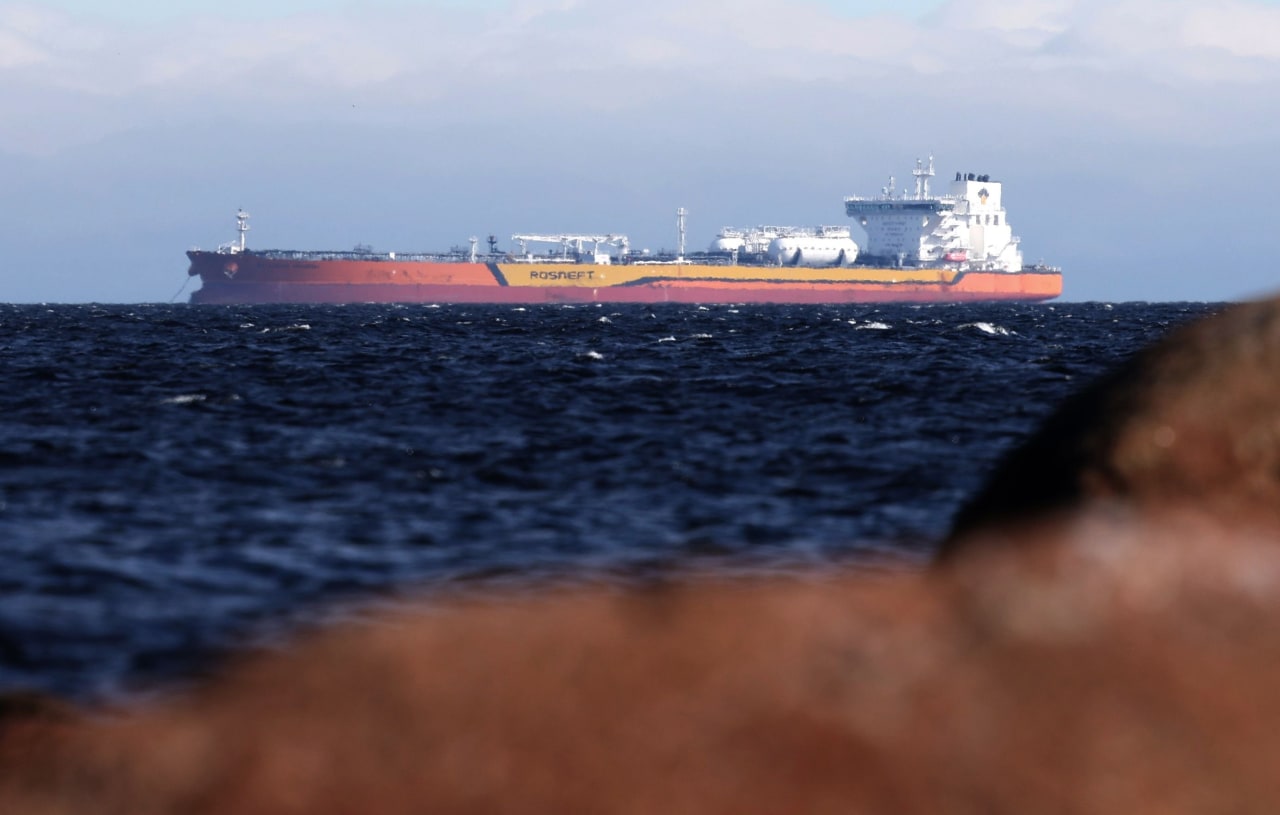
The European Union has imposed sanctions on two prominent oil traders linked to the clandestine oil market that has supported Moscow’s ongoing military actions in Ukraine. This significant move aims to disrupt financial networks that have financed Russia’s war efforts, highlighting the bloc’s commitment to countering aggression and upholding international law.
Details of the Sanctioned Traders
The sanctions specifically target Igor Sechin, the head of Rosneft, and Mikhail Fridman, a co-founder of Alfa Group. Both individuals play crucial roles in the Russian oil sector, which has been heavily scrutinized due to its involvement in funding military operations. The EU’s decision comes as part of broader efforts to pressure the Russian economy, especially in light of the ongoing conflict that began in February 2022.
The sanctions will freeze the assets of these traders within EU jurisdictions and prohibit any transactions involving them. This is expected to significantly impact their business operations, which have thrived in the shadowy realms of oil trading. By targeting these influential figures, the EU aims to undermine the financial backbone of the Russian oil industry.
Impact on the Oil Market
The European Union’s actions are part of a larger strategy to isolate Russia economically. The bloc has previously implemented a series of sanctions targeting various sectors of the Russian economy, including energy, finance, and defense. According to the European Commission, these sanctions have already led to a decrease in Russia’s oil revenues by approximately $20 billion over the past year.
The clandestine oil market, where Russia has found ways to circumvent sanctions, has been a focus of the EU’s recent efforts. This market has enabled Moscow to maintain its oil exports despite international restrictions. By disrupting key players in this market, the EU hopes to further diminish Russia’s financial resources and limit its capacity to sustain military operations in Ukraine.
As the conflict continues, the EU’s sanctions highlight a growing consensus among Western nations regarding the need for a unified response against Russia’s actions. The implications of these sanctions extend beyond immediate economic measures; they also reflect a commitment to international norms and the principle of sovereignty.
While the full effects of these sanctions may take time to materialize, the EU’s decisive action represents a significant escalation in its efforts to hold Russia accountable for its aggression. The international community is closely monitoring the situation, with further measures anticipated as the geopolitical landscape evolves.
As these developments unfold, the potential for increased tensions between Russia and the West remains high. The oil traders, now facing severe restrictions, will likely seek alternative strategies to navigate the challenges ahead, while the EU prepares for a sustained campaign against illicit trade practices that undermine global stability.

Urgent Tax Savings Alert: Maximize Deductions Before April 15

Trump’s Administration Faces Uncertainty Over Government Shutdowns

Cosmic Defects: The Mystery of the Universe’s Missing Anomalies

Rapid City Parks Department Opens Registration for Bocce Leagues

Samsung Galaxy Watch 9 to Feature Larger 435mAh Battery Soon

Two Dead After Student Boats Capsize Off Okinawa Coast

Healthy Choice Wellness Reports Earnings with Mixed Results

Prince Harry Positions Himself as Royal Family’s Image Reviver

All Points North Lodge Achieves FSPHP-ETA Accreditation

Send Holiday Parcels for £1.99 with New Comparison Service

University of Hawaiʻi Leads $25M AI Project to Monitor Natural Disasters

Maui County Reopens Upgraded Lānaʻi Fifth Street Courts Today!

Daily Codeword Puzzle Launches on October 21, 2025

Congresswoman Under Fire for Misleading Epstein Donation Claims

Interstellar Object 3I/ATLAS Emits Unique Metal Alloy, Says Scientist

Trump Vows to Resolve Afghanistan-Pakistan Crisis “Very Quickly”

Charles Darwin’s Address Book Reveals Hidden Aspects of His Life

Rediscovering Chrysler: 5 Overlooked Models from the 1980s
-
 Lifestyle8 months ago
Send Holiday Parcels for £1.99 with New Comparison Service
-
Science9 months ago
University of Hawaiʻi Leads $25M AI Project to Monitor Natural Disasters
-
 Top Stories8 months ago
Maui County Reopens Upgraded Lānaʻi Fifth Street Courts Today!
-
 Entertainment10 months ago
Daily Codeword Puzzle Launches on October 21, 2025
-
 Lifestyle9 months ago
Congresswoman Under Fire for Misleading Epstein Donation Claims
-
 Science10 months ago
Interstellar Object 3I/ATLAS Emits Unique Metal Alloy, Says Scientist
-
 Top Stories9 months ago
Trump Vows to Resolve Afghanistan-Pakistan Crisis “Very Quickly”
-
 Science8 months ago
Charles Darwin’s Address Book Reveals Hidden Aspects of His Life
-
 Lifestyle8 months ago
Rediscovering Chrysler: 5 Overlooked Models from the 1980s
-

 Science7 months ago
Understanding Generation Z: Strategies for Engaging the Workforce
-

 Entertainment10 months ago
Kelly McCreary Discusses Future of Maggie and Winston in Grey’s Anatomy
-

 Top Stories8 months ago
aespa Faces Backlash Over G-Dragon Interaction at 2025 MAMAs