
World
EU Urges Families to Prepare 72-Hour Supply Stockpiles Amid Conflict Fears

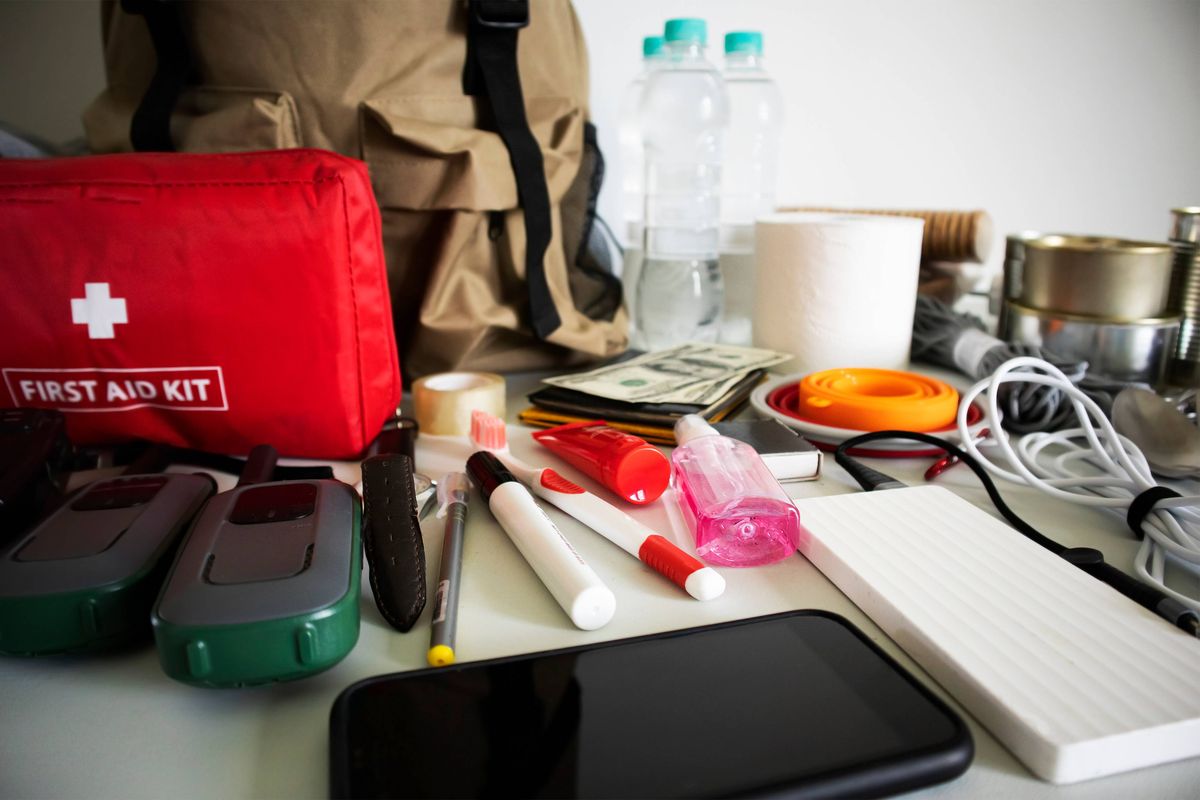
The European Union is advising households to stockpile at least 72 hours’ worth of essential supplies, including food and water, as fears of a wider global conflict intensify. This alert follows a significant escalation in hostilities in the Middle East, particularly in the wake of missile and drone strikes that have targeted Gulf nations. The situation escalated after the death of Iranian Supreme Leader Ayatollah Ali Khamenei, who was killed during coordinated air raids conducted by the United States and Israel on March 15, 2025.
Following Khamenei’s death, additional explosions were reported in cities such as Dubai and Doha, with defense systems intercepting incoming threats. The Iranian government has vowed to launch its “most intense operation” in response. The conflict has prompted the European Union to reevaluate its safety protocols, particularly as a chilling map emerged, indicating where individuals might find refuge in the event of World War III.
The United Arab Emirates (UAE) is home to a significant expatriate community, including approximately 14,000 Irish citizens predominantly residing in Dubai and Abu Dhabi. In light of the situation, Ireland’s Department of Foreign Affairs has urged nationals to “shelter in place” and follow safety guidelines. Foreign Affairs Minister Helen McEntee stated that there are currently “no evacuation routes recommended for Gulf countries,” as reported by the Irish Mirror.
Wartime Preparedness and EU Guidelines
Throughout Europe, nations such as France, Norway, and Finland have begun issuing wartime preparedness guidelines. Citizens are being encouraged to stockpile food, water, and other essentials in light of potential nuclear incidents or other major emergencies. The EU’s initial guidance, issued in March 2025, recommended that families maintain at least three days’ worth of essential items, advice that remains relevant as tensions rise among world powers.
Irish families are particularly urged to acquire fundamental provisions, including food, water, and medication, to prepare for a range of emergencies from armed conflicts to cyber threats and power shortages. Hadja Lahbib, the EU’s Commissioner for Preparedness and Crisis Management, outlined the updated approach to managing future crises, emphasizing that “today’s threats facing Europe are more complex than ever, and they are all interconnected.”
Lahbib highlighted the importance of ensuring that people have essential supplies on hand for at least 72 hours during any crisis. She recommended that families accumulate six key items: food, water, flashlights, identification papers, medicine, and shortwave radios. This recommendation underscores the EU’s commitment to enhancing coordination across member states, advocating for a “strategic reserve” of vital resources, including medical supplies, energy infrastructure, and specialized equipment for various emergencies.
National Variability in Preparedness
The EU’s strategy reflects frameworks already in place in countries like France, Finland, and Sweden. In 2024, Sweden updated its Cold War-era civil defense guidelines to better address contemporary security threats, incorporating preparations for potential nuclear strikes. Despite these efforts, there remains a significant variation in crisis preparedness levels among EU member states. The European Commission is actively promoting improved coordination to ensure a swift and effective response in the face of emergencies.
Lahbib stressed the necessity for a proactive approach, stating, “We can no longer rely on ad hoc reactions.” This shift in strategy comes as alarming maps have surfaced, indicating that a substantial percentage of Americans would face dire consequences in the event of a nuclear attack.
As the global landscape continues to evolve, the EU’s emphasis on preparedness serves as a crucial reminder of the importance of stockpiling essential supplies, particularly as international tensions remain high. The call for action reflects not only immediate concerns regarding regional conflicts but also a broader understanding of the interconnected nature of today’s security challenges.

Urgent Tax Savings Alert: Maximize Deductions Before April 15

Trump’s Administration Faces Uncertainty Over Government Shutdowns

Cosmic Defects: The Mystery of the Universe’s Missing Anomalies

Rapid City Parks Department Opens Registration for Bocce Leagues

Samsung Galaxy Watch 9 to Feature Larger 435mAh Battery Soon

Two Dead After Student Boats Capsize Off Okinawa Coast

Healthy Choice Wellness Reports Earnings with Mixed Results

Prince Harry Positions Himself as Royal Family’s Image Reviver

All Points North Lodge Achieves FSPHP-ETA Accreditation

Send Holiday Parcels for £1.99 with New Comparison Service

University of Hawaiʻi Leads $25M AI Project to Monitor Natural Disasters

Maui County Reopens Upgraded Lānaʻi Fifth Street Courts Today!

Daily Codeword Puzzle Launches on October 21, 2025

Congresswoman Under Fire for Misleading Epstein Donation Claims

Interstellar Object 3I/ATLAS Emits Unique Metal Alloy, Says Scientist

Trump Vows to Resolve Afghanistan-Pakistan Crisis “Very Quickly”

Charles Darwin’s Address Book Reveals Hidden Aspects of His Life

Rediscovering Chrysler: 5 Overlooked Models from the 1980s
-
 Lifestyle8 months ago
Send Holiday Parcels for £1.99 with New Comparison Service
-
Science9 months ago
University of Hawaiʻi Leads $25M AI Project to Monitor Natural Disasters
-
 Top Stories8 months ago
Maui County Reopens Upgraded Lānaʻi Fifth Street Courts Today!
-
 Entertainment10 months ago
Daily Codeword Puzzle Launches on October 21, 2025
-
 Lifestyle9 months ago
Congresswoman Under Fire for Misleading Epstein Donation Claims
-
 Science10 months ago
Interstellar Object 3I/ATLAS Emits Unique Metal Alloy, Says Scientist
-
 Top Stories9 months ago
Trump Vows to Resolve Afghanistan-Pakistan Crisis “Very Quickly”
-
 Science8 months ago
Charles Darwin’s Address Book Reveals Hidden Aspects of His Life
-
 Lifestyle8 months ago
Rediscovering Chrysler: 5 Overlooked Models from the 1980s
-
 Science7 months ago
Understanding Generation Z: Strategies for Engaging the Workforce
-

 Entertainment10 months ago
Kelly McCreary Discusses Future of Maggie and Winston in Grey’s Anatomy
-

 Top Stories8 months ago
aespa Faces Backlash Over G-Dragon Interaction at 2025 MAMAs