
World
UN Report Highlights Systemic Healthcare Barriers for Afghan Women

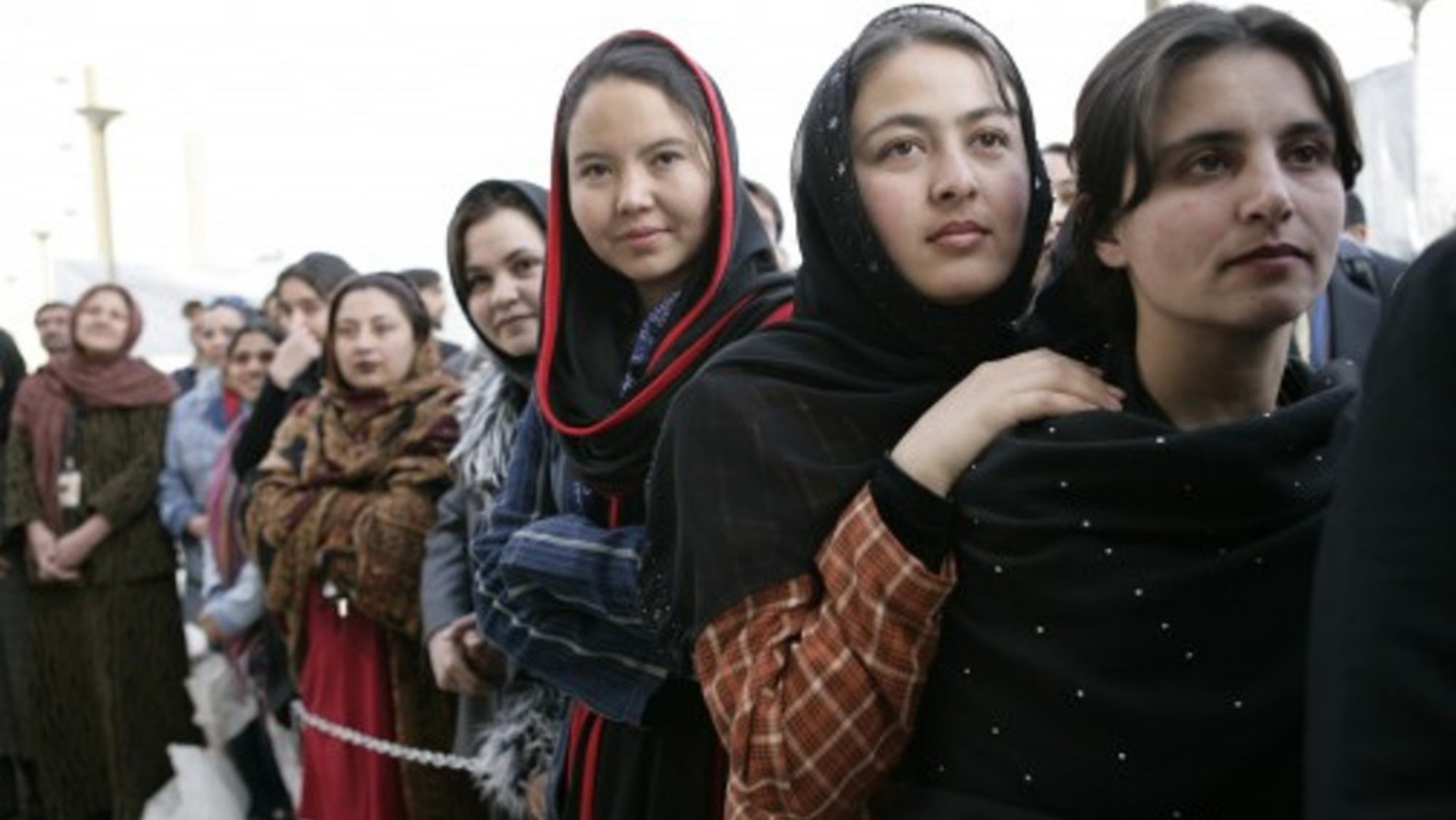
The United Nations has released a report highlighting the systemic restrictions on healthcare access for women in Afghanistan, primarily attributed to the policies imposed by the Taliban. In a detailed analysis, UN Special Rapporteur on human rights in Afghanistan, Richard Bennett, outlined how these gender-oppressive policies severely limit women’s rights to education, employment, and freedom of movement, ultimately amounting to what he describes as crimes against humanity.
Bennett emphasized that these restrictions are not isolated incidents but rather part of a broader, institutionalized system of gender discrimination. He stated, “These policies deny women and girls autonomy over their own bodies, health, and futures,” underscoring the profound implications for Afghan women under Taliban rule.
The healthcare system in Afghanistan was already struggling due to decades of conflict, poverty, and insufficient investment. Despite this, Bennett argues that the current crisis is exacerbated by the Taliban’s policies since their return to power in 2021. The report is based on comprehensive focus group discussions and one-on-one interviews with 137 Afghans from 29 provinces, alongside data gathered from a survey conducted by Bishnaw, which included responses from 8,085 women across 33 provinces.
International organizations and rights groups have increasingly documented the human rights violations faced by Afghan women since the Taliban’s resurgence. On December 11, 2025, the Permanent People’s Tribunal for Women of Afghanistan, held in The Hague, declared that the Taliban’s treatment of women constitutes crimes against humanity.
In a further alarming development, the Taliban government enacted a law in January that permits husbands to physically punish their wives and children, provided it does not result in broken bones or open wounds. This legislation has raised significant concern among human rights advocates.
A coalition of Afghan and international civil society organizations is preparing to present their findings on the amended penal code to the 61st Session of the UN Human Rights Council, emphasizing the urgency of addressing these violations. The report from the UN serves as a critical reminder of the ongoing struggles faced by Afghan women and the need for international attention and action.

Urgent Tax Savings Alert: Maximize Deductions Before April 15

Trump’s Administration Faces Uncertainty Over Government Shutdowns

Cosmic Defects: The Mystery of the Universe’s Missing Anomalies

Rapid City Parks Department Opens Registration for Bocce Leagues

Samsung Galaxy Watch 9 to Feature Larger 435mAh Battery Soon

Two Dead After Student Boats Capsize Off Okinawa Coast

Healthy Choice Wellness Reports Earnings with Mixed Results

Prince Harry Positions Himself as Royal Family’s Image Reviver

All Points North Lodge Achieves FSPHP-ETA Accreditation

Send Holiday Parcels for £1.99 with New Comparison Service

University of Hawaiʻi Leads $25M AI Project to Monitor Natural Disasters

Maui County Reopens Upgraded Lānaʻi Fifth Street Courts Today!

Daily Codeword Puzzle Launches on October 21, 2025

Congresswoman Under Fire for Misleading Epstein Donation Claims

Interstellar Object 3I/ATLAS Emits Unique Metal Alloy, Says Scientist

Trump Vows to Resolve Afghanistan-Pakistan Crisis “Very Quickly”

Charles Darwin’s Address Book Reveals Hidden Aspects of His Life

Rediscovering Chrysler: 5 Overlooked Models from the 1980s
-
 Lifestyle8 months ago
Send Holiday Parcels for £1.99 with New Comparison Service
-
Science9 months ago
University of Hawaiʻi Leads $25M AI Project to Monitor Natural Disasters
-
 Top Stories8 months ago
Maui County Reopens Upgraded Lānaʻi Fifth Street Courts Today!
-
 Entertainment10 months ago
Daily Codeword Puzzle Launches on October 21, 2025
-
 Lifestyle9 months ago
Congresswoman Under Fire for Misleading Epstein Donation Claims
-
 Science10 months ago
Interstellar Object 3I/ATLAS Emits Unique Metal Alloy, Says Scientist
-
 Top Stories9 months ago
Trump Vows to Resolve Afghanistan-Pakistan Crisis “Very Quickly”
-
 Science8 months ago
Charles Darwin’s Address Book Reveals Hidden Aspects of His Life
-
 Lifestyle8 months ago
Rediscovering Chrysler: 5 Overlooked Models from the 1980s
-

 Science7 months ago
Understanding Generation Z: Strategies for Engaging the Workforce
-

 Entertainment10 months ago
Kelly McCreary Discusses Future of Maggie and Winston in Grey’s Anatomy
-

 Top Stories8 months ago
aespa Faces Backlash Over G-Dragon Interaction at 2025 MAMAs