
World
US and China Raise Port Fees, Escalating Trade Tensions

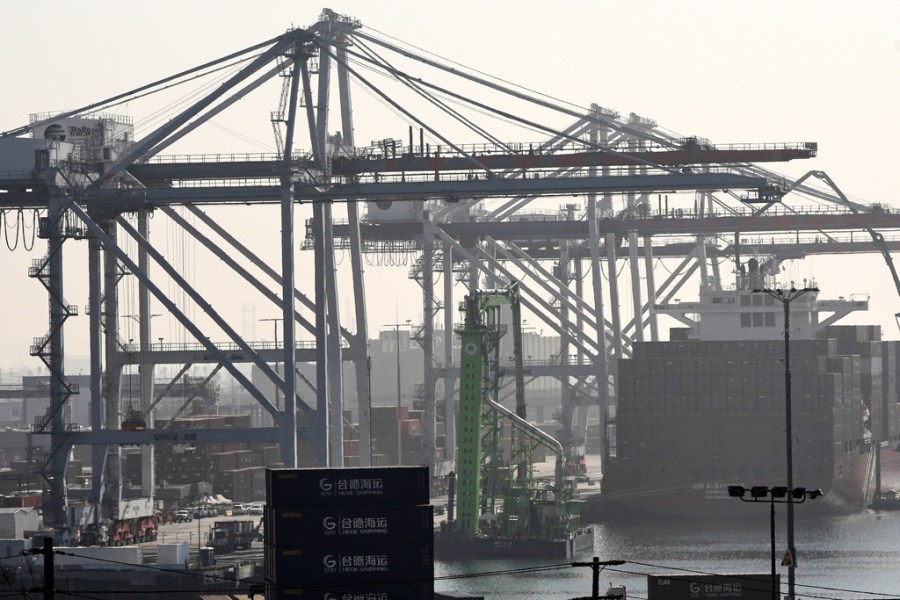
The United States and China have recently escalated their ongoing trade dispute by imposing additional port service fees and tariffs on each other. This move threatens to increase shipping costs significantly, disrupt global trade, and potentially lead to job losses in various sectors.
According to the World Trade Organization, the new tariffs, which took effect in October 2023, are part of a long-standing series of trade measures that both nations have enacted in retaliation for perceived unfair practices. The US has announced a new tariff of 10% on selected Chinese imports, while China has responded with a similar tariff on American goods, further complicating an already tense trade relationship.
Impact on Global Trade and Economy
The implications of these tariffs are far-reaching. Shipping costs are expected to rise, leading to higher prices for consumers and businesses alike. Analysts estimate that the increase in port fees could add as much as $1.5 billion to shipping costs annually, impacting everything from electronics to agricultural products.
Experts warn that this escalating trade conflict could result in reduced trade volumes between the two largest economies in the world. The Port Authority in Los Angeles has already reported a decrease in container traffic, attributing it partly to these new tariffs. If these trends continue, there could be significant repercussions for global supply chains.
Furthermore, industries heavily reliant on imports from China, such as technology and retail, may experience production delays and increased operational costs. This situation not only affects businesses but also threatens job security for workers employed in affected sectors. The potential for job losses could further exacerbate economic instability in both countries.
Political Responses and Future Outlook
In response to these developments, officials from both nations have been vocal about their positions. The US Trade Representative stated that the tariffs are necessary to protect American interests and promote fair trade practices. Conversely, Chinese officials have described the measures as detrimental to global economic stability.
As the situation unfolds, both nations face pressure to negotiate and find a resolution that mitigates the impact on their economies. The upcoming meetings between trade representatives from the United States and China will be crucial in determining the future direction of this trade dispute.
In conclusion, the increase in port service fees and tariffs represents a significant escalation in the ongoing trade tensions between the US and China. As both countries navigate this complex landscape, the consequences for the global economy could be profound, underscoring the interconnectedness of international trade and the importance of cooperative economic relations.

Addressing Overexploitation: Regulating International Trade in Wildlife

St. Louis Blues Edge Winnipeg Jets in 1-0 Victory

AI-Generated Video Misleads on Uttar Pradesh Healthcare Crisis

Wondershare Launches EdrawMax V15, Revolutionizing Diagram Creation

Eighth Doctor Paul McGann Responds to Rumors of Doctor Who Return

Oncology Care Needs New Focus on Emotional Recovery Metrics

South Korea’s Judicial Reforms Face Urgent Backlash from Experts

US CPI Report Set to Impact Markets Amid October Data Gaps

Urgent: Linda L. Wolf Passes Away at 72, Leaving a Legacy

Send Holiday Parcels for £1.99 with New Comparison Service

University of Hawaiʻi Leads $25M AI Project to Monitor Natural Disasters

Interstellar Object 3I/ATLAS Emits Unique Metal Alloy, Says Scientist

Researchers Achieve Fastest Genome Sequencing in Under Four Hours

Iconic Sand Dollar Social Club Listed for $3 Million in Folly Beach

Afghan Refugee Detained by ICE After Asylum Hearing in New York

McEwen Inc. Secures Tartan Lake Gold Mine Through Acquisition

Peptilogics Secures $78 Million to Combat Prosthetic Joint Infections

Jump for Good: San Clemente Pier Fundraiser Allows Legal Leaps
-
 Lifestyle1 week ago
Send Holiday Parcels for £1.99 with New Comparison Service
-
Science2 months ago
University of Hawaiʻi Leads $25M AI Project to Monitor Natural Disasters
-
 Science2 months ago
Interstellar Object 3I/ATLAS Emits Unique Metal Alloy, Says Scientist
-
 Science2 months ago
Researchers Achieve Fastest Genome Sequencing in Under Four Hours
-
 Business2 months ago
Iconic Sand Dollar Social Club Listed for $3 Million in Folly Beach
-
 Politics2 months ago
Afghan Refugee Detained by ICE After Asylum Hearing in New York
-
 Business2 months ago
McEwen Inc. Secures Tartan Lake Gold Mine Through Acquisition
-
 Health2 months ago
Peptilogics Secures $78 Million to Combat Prosthetic Joint Infections
-
 Lifestyle2 months ago
Jump for Good: San Clemente Pier Fundraiser Allows Legal Leaps
-

 Science2 months ago
Mars Observed: Detailed Imaging Reveals Dust Avalanche Dynamics
-

 Health2 months ago
Researcher Uncovers Zika Virus Pathway to Placenta Using Nanotubes
-

 Entertainment2 months ago
Jennifer Lopez Addresses A-Rod Split in Candid Interview