
World
USAF Faces Challenges in Aircraft Modernization Efforts

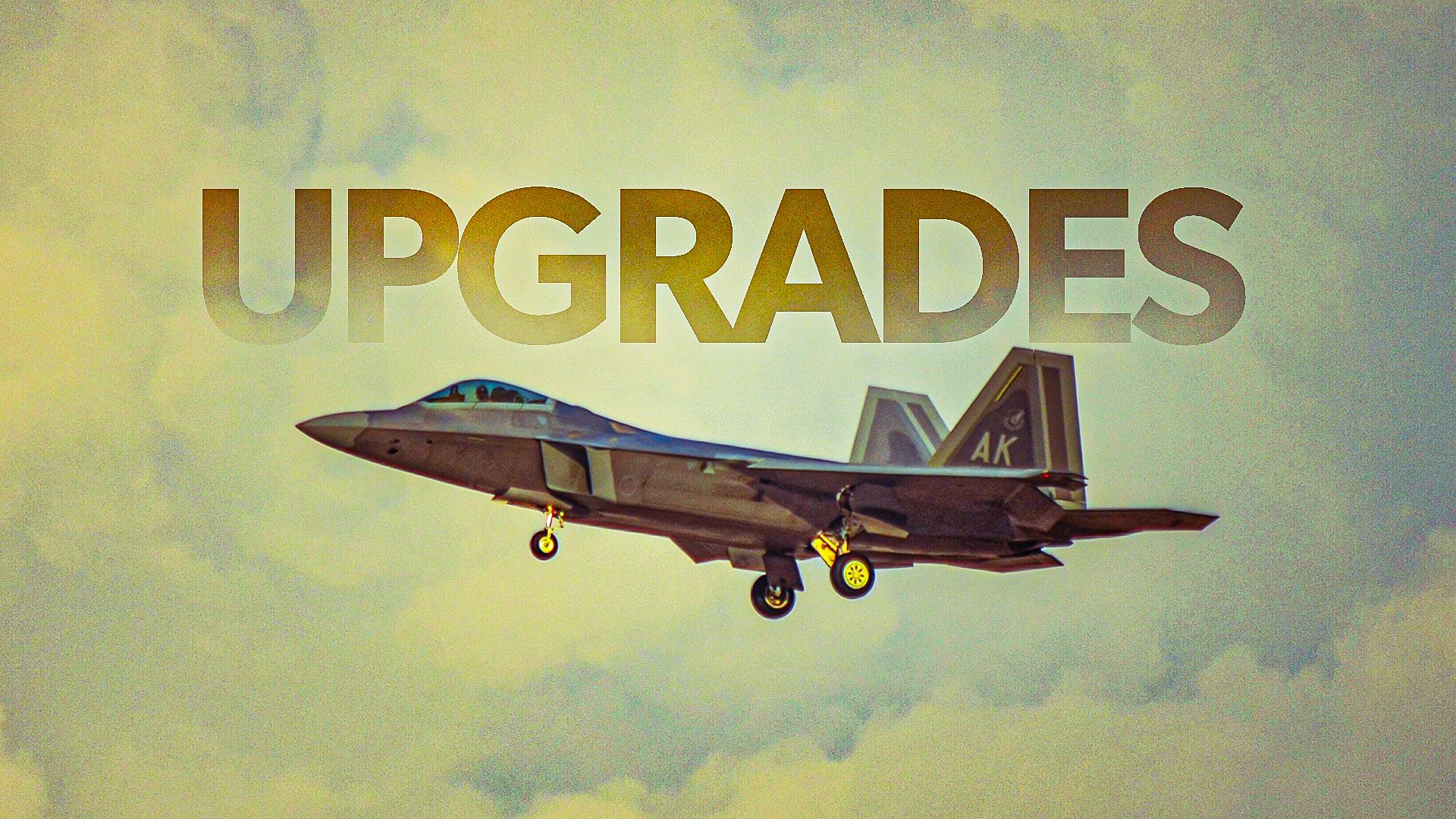
The United States Air Force (USAF) is currently navigating one of its most intricate modernization initiatives in decades, encompassing upgrades across its diverse fleet. While aircraft like the B-52 Stratofortress, which was first deployed during the Cold War, continue to operate, newer models such as the VC-25B, commonly known as Air Force One, are facing significant delays. The complexities of modern military aviation, alongside mounting costs and technical hurdles, have raised questions regarding the effectiveness and timeliness of these upgrades.
Understanding the Need for Modernization
Modernization within the USAF is essential to maintain operational relevance in an evolving threat landscape. Many aircraft in service today were designed decades ago, rendering them less capable of meeting contemporary operational demands. Aging airframes, combined with the integration of sophisticated technology, have resulted in delays and increased expenses across multiple programs. As noted in various Air Force updates, the challenge lies in not only replacing outdated systems but also ensuring that the aircraft remain operational throughout the upgrade process.
The USAF acknowledges that without modern sensors, communications, and survivability systems, its ability to operate effectively against near-peer adversaries would be severely compromised. Thus, while modernization efforts may be slow and costly, they are deemed necessary to prevent the risk of falling behind.
Factors Contributing to Delays and Costs
A primary factor influencing the pace of aircraft upgrades is the age of the platforms. The B-52, for instance, entered service in 1955. Despite its structural integrity, many internal systems require significant redesign to meet modern warfare standards. The integration of advanced technology poses another challenge. Installing newer radars, sensors, and communication systems demands comprehensive changes to power generation, cooling capacity, and software architecture. These modifications result in extended timelines and increased testing needs.
Budget constraints and industrial capacity further complicate the scenario. Defense contractors are managing multiple high-priority programs simultaneously, which can stretch resources thin. Additionally, global supply chain disruptions have impacted the availability of specialized components, especially for low-volume military programs that cannot rely on commercial manufacturing efficiencies.
The following table illustrates the modernization efforts for key USAF aircraft, highlighting the primary focus of upgrades and the challenges faced:
| Aircraft Platform | Role | First Entered Service | Major Upgrade Focus | Primary Challenge |
|---|---|---|---|---|
| B-52 Stratofortress | Strategic bomber | 1955 | Radar (AESA), avionics, engines | Extreme airframe age; legacy systems require extensive redesign. |
| B-1B Lancer | Long-range bomber | 1986 | Avionics, weapons integration | Aging systems near retirement limit upgrade scope. |
| A-10 Thunderbolt II | Close air support | 1976 | Avionics, targeting pods, wings | Upgrades extend life but don’t resolve high-threat vulnerabilities. |
| F-16 Fighting Falcon | Multirole fighter | 1978 | AESA radar, networking | Fleet diversity; different upgrade paths for multiple blocks. |
| F-15EX Eagle II | Air superiority | Early 2020s | Avionics, weapons, sensors | Competes for suppliers with other fighter programs. |
| F-22 Raptor | Stealth air superiority | 2005 | Sensors, software, weapons | Small fleet; custom upgrades are slow and costly. |
| F-35 Lightning II | Stealth multirole | 2015 | Software (Block 4), sensors | Software complexity leads to ripple effects across logistics. |
| KC-46 Pegasus | Aerial refueling | 2019 | Refueling systems, defenses | Technical integration requires extensive testing. |
| Boeing VC-25B (Air Force One) | Presidential transport | New build | Secure communications, survivability | Evolving requirements lead to design changes and delays. |
The B-52 Radar Modernization Program exemplifies the intersection of these challenges. The initiative aims to replace the bomber’s mechanically scanned radar with a modern active electronically scanned array (AESA). This upgrade is crucial for enhancing situational awareness and targeting accuracy, while also reducing maintenance needs. The new system is designed to support both nuclear command-and-control missions and conventional operations, ensuring the B-52 remains relevant for decades.
Air Force leaders have consistently framed modernization as a critical requirement for maintaining operational capability in contested environments. Senior officials emphasize that upgraded aircraft are vital for effective engagement against adversaries capable of advanced electronic warfare. The upgrades to the B-52 are intended not only to enhance mission effectiveness but also to simplify maintenance processes, ultimately extending the bomber’s lifespan.
Conversely, the replacement program for Air Force One presents a more complex scenario. Analysts have identified several factors contributing to the delays, including evolving design requirements, stringent security standards, and production challenges faced by Boeing. As of now, the VC-25B aircraft are expected to enter service several years later than initially planned, with total program costs continuing to rise.
Experts across the defense aviation sector assert that these challenges, while frustrating, are not uncommon. Modern military aircraft represent some of the most intricate machines ever constructed, combining advanced software, fortified communications, and specialized hardware. Even minor modifications can lead to extensive testing and recertification processes.
Weighing Upgrades Against New Aircraft Development
One potential solution to the modernization challenges would be to retire older aircraft and replace them with new designs. While this may seem straightforward, defense analysts generally argue that it is more costly and time-consuming than upgrading existing platforms. The development of a new military aircraft can take decades. For example, the B-21 Raider stealth bomber has been in design for years and will require additional time to achieve full operational capability. During this transition, the USAF must rely on existing aircraft to meet daily mission demands, making upgrades essential.
Another discussed option is to reduce mission requirements to expedite timelines. In the case of Air Force One, however, analysts indicate that significant reductions are unrealistic. The aircraft serves as a flying command center with secure and nuclear-hardened communications, making it imperative that its capabilities remain intact.
In summary, the USAF’s modernization efforts reflect a balancing act of managing aging fleets, budget constraints, and the complexities of integrating modern technology. Initiatives such as the B-52 radar upgrades demonstrate that with appropriate investment, older aircraft can maintain relevance. However, the delays surrounding Air Force One illustrate the challenges faced even by high-priority projects. Looking ahead, the Air Force is likely to continue a path of incremental upgrades, extended timelines, and careful trade-offs, emphasizing the importance of capability over speed.

Urgent Tax Savings Alert: Maximize Deductions Before April 15

Trump’s Administration Faces Uncertainty Over Government Shutdowns

Cosmic Defects: The Mystery of the Universe’s Missing Anomalies

Rapid City Parks Department Opens Registration for Bocce Leagues

Samsung Galaxy Watch 9 to Feature Larger 435mAh Battery Soon

Two Dead After Student Boats Capsize Off Okinawa Coast

Healthy Choice Wellness Reports Earnings with Mixed Results

Prince Harry Positions Himself as Royal Family’s Image Reviver

All Points North Lodge Achieves FSPHP-ETA Accreditation

Send Holiday Parcels for £1.99 with New Comparison Service

University of Hawaiʻi Leads $25M AI Project to Monitor Natural Disasters

Maui County Reopens Upgraded Lānaʻi Fifth Street Courts Today!

Daily Codeword Puzzle Launches on October 21, 2025

Congresswoman Under Fire for Misleading Epstein Donation Claims

Interstellar Object 3I/ATLAS Emits Unique Metal Alloy, Says Scientist

Trump Vows to Resolve Afghanistan-Pakistan Crisis “Very Quickly”

Charles Darwin’s Address Book Reveals Hidden Aspects of His Life

Rediscovering Chrysler: 5 Overlooked Models from the 1980s
-
 Lifestyle8 months ago
Send Holiday Parcels for £1.99 with New Comparison Service
-
Science9 months ago
University of Hawaiʻi Leads $25M AI Project to Monitor Natural Disasters
-
 Top Stories8 months ago
Maui County Reopens Upgraded Lānaʻi Fifth Street Courts Today!
-
 Entertainment10 months ago
Daily Codeword Puzzle Launches on October 21, 2025
-
 Lifestyle9 months ago
Congresswoman Under Fire for Misleading Epstein Donation Claims
-
 Science10 months ago
Interstellar Object 3I/ATLAS Emits Unique Metal Alloy, Says Scientist
-
 Top Stories9 months ago
Trump Vows to Resolve Afghanistan-Pakistan Crisis “Very Quickly”
-
 Science8 months ago
Charles Darwin’s Address Book Reveals Hidden Aspects of His Life
-
 Lifestyle8 months ago
Rediscovering Chrysler: 5 Overlooked Models from the 1980s
-

 Science7 months ago
Understanding Generation Z: Strategies for Engaging the Workforce
-

 Entertainment10 months ago
Kelly McCreary Discusses Future of Maggie and Winston in Grey’s Anatomy
-

 Top Stories8 months ago
aespa Faces Backlash Over G-Dragon Interaction at 2025 MAMAs