
World
Larry Summers Faces Scrutiny Over Epstein Ties and Career Legacy

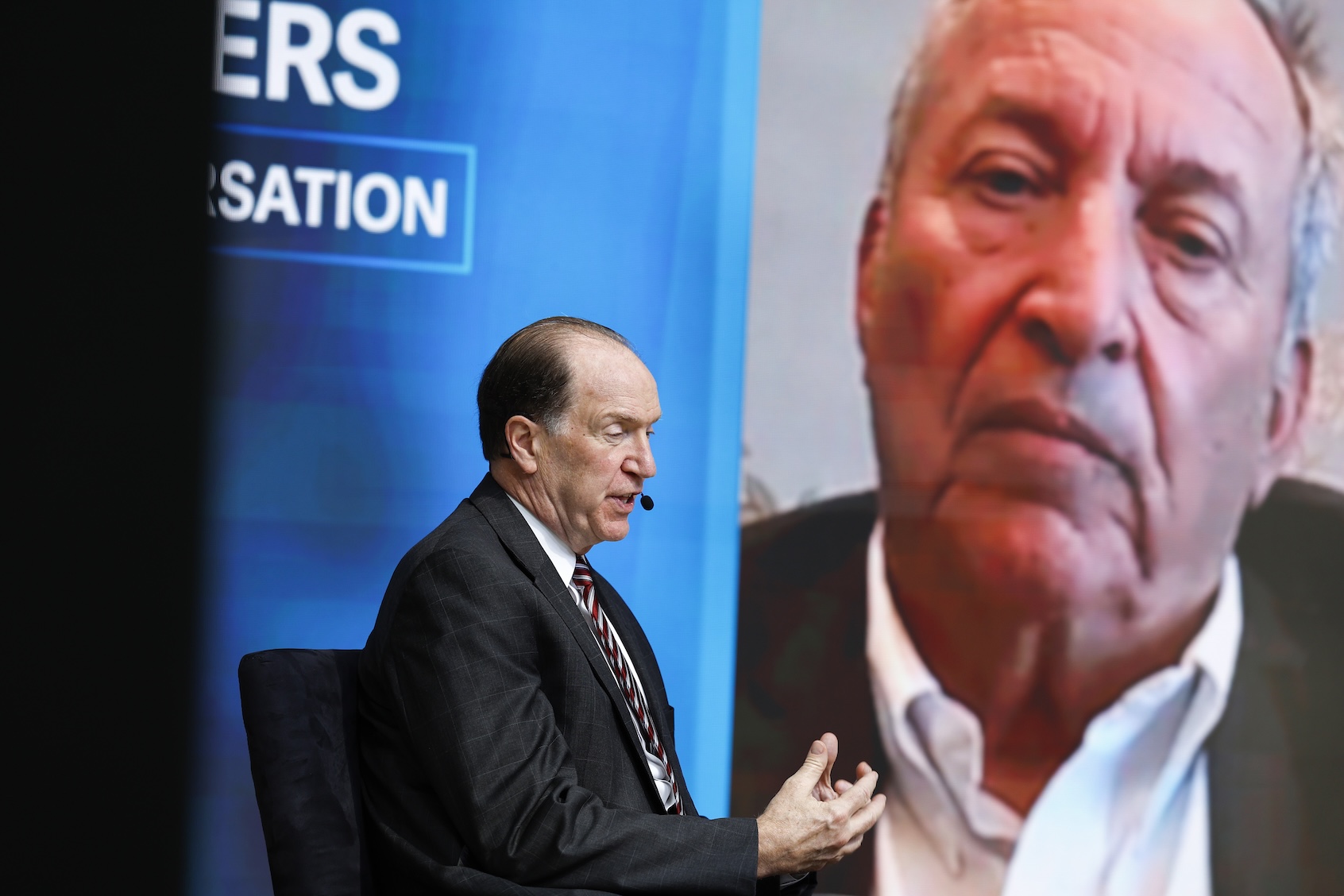
Former Treasury Secretary Larry Summers is under renewed scrutiny following revelations about his long-standing relationship with convicted sex offender Jeffrey Epstein. This scrutiny raises critical questions regarding Summers’ influence on economic policy and his connections with powerful political figures, including former Presidents Bill Clinton and Barack Obama.
In his memoir, “Adults in the Room,” former Greek finance minister Yanis Varoufakis recounts a significant conversation with Summers that took place in 2015. The discussion, held in a Washington hotel bar, illustrated a stark choice presented by Summers: one could either be an insider, enjoying access to critical information and decision-making, or be an outsider, whose voice would not influence the powerful. This dichotomy highlights the often opaque nature of political and economic power dynamics, which can be unsettling in light of recent events.
The implications of Summers’ “sacrosanct rule,” which discourages insiders from engaging with outsiders, have taken on a more troubling context following allegations surrounding his interactions with Epstein. Reports indicate that Summers sought advice from Epstein on how to pursue a romantic relationship with a younger colleague, illustrating a troubling moral ambiguity. The notion that insiders protect each other, even in private matters, complicates the narrative around Summers’ career and raises ethical concerns.
Summers has been a prominent figure in global finance, advocating for the principles of deregulation and privatization often associated with the neoliberal agenda. His influence was not diminished by his controversial past; rather, he has served in key roles across multiple administrations and institutions, including Harvard University, where he was president. However, his tenure has been marked by a series of controversies, including a memo from his time at the World Bank that suggested a rationale for exporting toxic waste to underdeveloped nations.
The fallout from his comments in a 2005 speech, where he suggested that intrinsic aptitude might explain the underrepresentation of women in science and engineering, further marred his reputation. This statement led to significant backlash and ultimately contributed to a loss of confidence among Harvard faculty, prompting his resignation.
Despite these controversies, Summers has managed to maintain a foothold in influential economic circles, often returning to positions of power. His latest acknowledgment of his relationship with Epstein, which he described as a “massive failure of judgment,” raises further questions. Critics argue that such a statement is insufficient in light of the serious ethical implications of his choices.
The ongoing debate surrounding Summers extends to the political leaders who have frequently sought his counsel. Many within the Democratic Party and other liberal circles have been accused of ignoring the ethical concerns associated with their alliances with him. This dynamic has led to questions about the motivations behind their decisions and the extent to which corporate influence shapes political action.
The legacy of Larry Summers serves as a reminder of the complexities within political and economic systems. As the public continues to grapple with the implications of his actions and associations, it becomes crucial to scrutinize the broader influence of insiders like Summers on policy and governance. The intersection of power, ethics, and accountability remains a contentious issue that demands further examination in the wake of these developments.

Urgent Tax Savings Alert: Maximize Deductions Before April 15

Trump’s Administration Faces Uncertainty Over Government Shutdowns

Cosmic Defects: The Mystery of the Universe’s Missing Anomalies

Rapid City Parks Department Opens Registration for Bocce Leagues

Samsung Galaxy Watch 9 to Feature Larger 435mAh Battery Soon

Two Dead After Student Boats Capsize Off Okinawa Coast

Healthy Choice Wellness Reports Earnings with Mixed Results

Prince Harry Positions Himself as Royal Family’s Image Reviver

All Points North Lodge Achieves FSPHP-ETA Accreditation

Send Holiday Parcels for £1.99 with New Comparison Service

University of Hawaiʻi Leads $25M AI Project to Monitor Natural Disasters

Maui County Reopens Upgraded Lānaʻi Fifth Street Courts Today!

Daily Codeword Puzzle Launches on October 21, 2025

Congresswoman Under Fire for Misleading Epstein Donation Claims

Interstellar Object 3I/ATLAS Emits Unique Metal Alloy, Says Scientist

Trump Vows to Resolve Afghanistan-Pakistan Crisis “Very Quickly”

Charles Darwin’s Address Book Reveals Hidden Aspects of His Life

Rediscovering Chrysler: 5 Overlooked Models from the 1980s
-
 Lifestyle8 months ago
Send Holiday Parcels for £1.99 with New Comparison Service
-
Science9 months ago
University of Hawaiʻi Leads $25M AI Project to Monitor Natural Disasters
-
 Top Stories8 months ago
Maui County Reopens Upgraded Lānaʻi Fifth Street Courts Today!
-
 Entertainment10 months ago
Daily Codeword Puzzle Launches on October 21, 2025
-
 Lifestyle9 months ago
Congresswoman Under Fire for Misleading Epstein Donation Claims
-
 Science10 months ago
Interstellar Object 3I/ATLAS Emits Unique Metal Alloy, Says Scientist
-
 Top Stories9 months ago
Trump Vows to Resolve Afghanistan-Pakistan Crisis “Very Quickly”
-
 Science8 months ago
Charles Darwin’s Address Book Reveals Hidden Aspects of His Life
-
 Lifestyle8 months ago
Rediscovering Chrysler: 5 Overlooked Models from the 1980s
-

 Science7 months ago
Understanding Generation Z: Strategies for Engaging the Workforce
-

 Entertainment10 months ago
Kelly McCreary Discusses Future of Maggie and Winston in Grey’s Anatomy
-

 Top Stories8 months ago
aespa Faces Backlash Over G-Dragon Interaction at 2025 MAMAs