
World
Delta Air Lines Sets New Standard with A350-1000 in 2026

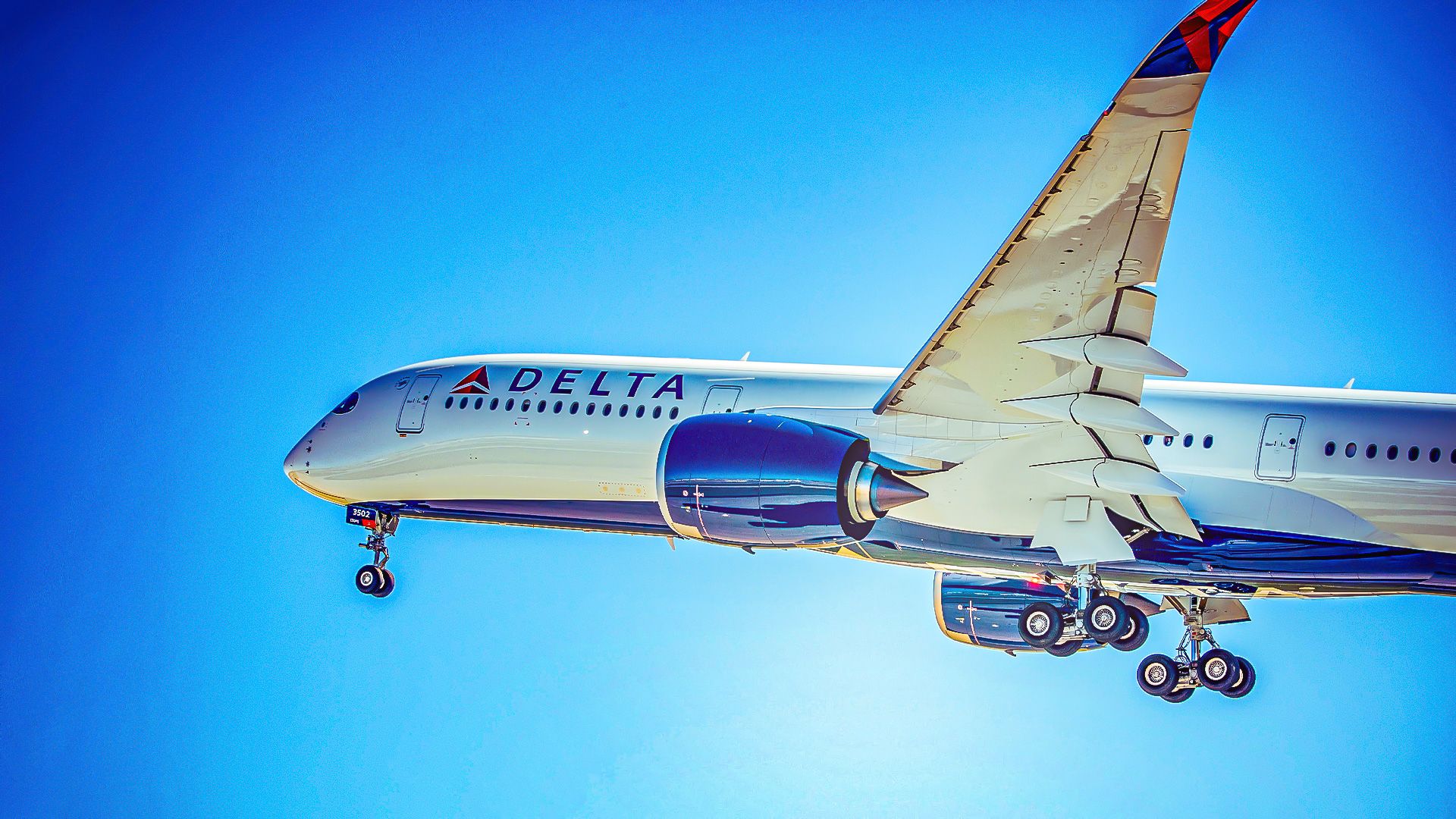
Delta Air Lines is poised to make a significant leap in its long-haul operations with the introduction of the Airbus A350-1000 in March 2026. This move marks a historic milestone, as Delta will become the first US airline to operate the largest variant of the A350 family. The decision not only reflects a shift in Delta’s fleet strategy but also positions the airline to enhance its competitive edge in the international market.
The Airbus A350-1000 is designed for high-capacity, long-range routes, which will enable Delta to effectively compete with other global carriers that have already integrated this aircraft into their fleets. This strategic acquisition highlights a broader trend in US airline preferences, as Delta opts for the Airbus platform over Boeing, which has dominated the long-haul market for decades.
Strategic Shift in Fleet Modernization
Delta’s decision to add the A350-1000 aligns with its long-term fleet modernization goals. Traditionally, American airlines have relied heavily on Boeing models like the 777 and 787 for their long-haul operations. By selecting the A350-1000, Delta emphasizes operational efficiency and fleet flexibility over historical preferences. This aircraft offers exceptional fuel efficiency, reduced maintenance needs, and an extended range, making it a suitable replacement for older models such as the Boeing 767 and earlier 777 variants.
The A350-1000’s advanced features, including its Rolls-Royce Trent XWB-97 engines, enable Delta to operate high-demand international routes more cost-effectively. With a maximum takeoff weight of 679,000 pounds and a range of 9,200 miles, this aircraft is engineered to serve both leisure and business travelers effectively.
Enhancing Passenger Experience and Operational Efficiency
For passengers, the A350-1000 promises an upgraded travel experience. Delta plans to equip the aircraft with a significant proportion of premium seating options, including Delta One Suites and Delta Premium Select. The aircraft’s spacious cabin design will provide larger overhead bins and quieter interiors, enhancing comfort on long-haul flights.
Additionally, the A350-1000 allows Delta to standardize its premium offerings across its international fleet, ensuring consistency in seating, dining, and in-flight entertainment. This strategy not only bolsters passenger satisfaction but also strengthens brand loyalty, essential in a competitive global aviation market.
Delta’s acquisition of the A350-1000 is expected to influence broader fleet planning within the US airline industry. As competitors reassess older widebody aircraft in light of sustainability and efficiency demands, Delta’s early commitment to this advanced model may prompt similar moves among other carriers.
The operational advantages of the A350-1000 extend beyond passenger comfort. Its efficient design supports Delta’s environmental initiatives by reducing per-seat fuel consumption and associated carbon emissions. This aligns with the airline’s commitment to enhancing its sustainability metrics while maintaining reliable service.
By integrating the A350-1000 into its fleet, Delta not only enhances its operational capabilities but also positions itself for future growth in an ever-evolving market. The aircraft’s flexibility allows for adjustments in capacity according to demand fluctuations, making it a vital asset in Delta’s strategy to adapt to changing passenger preferences and regulatory landscapes.
Ultimately, Delta Air Lines’ introduction of the Airbus A350-1000 is more than just a milestone; it is a testament to the airline’s dedication to operational excellence, sustainability, and maintaining a leadership role in global aviation. As the airline prepares for this significant transition, the A350-1000 is set to redefine Delta’s long-haul flight experience and operational strategy.

Urgent Tax Savings Alert: Maximize Deductions Before April 15

Trump’s Administration Faces Uncertainty Over Government Shutdowns

Cosmic Defects: The Mystery of the Universe’s Missing Anomalies

Rapid City Parks Department Opens Registration for Bocce Leagues

Samsung Galaxy Watch 9 to Feature Larger 435mAh Battery Soon

Two Dead After Student Boats Capsize Off Okinawa Coast

Healthy Choice Wellness Reports Earnings with Mixed Results

Prince Harry Positions Himself as Royal Family’s Image Reviver

All Points North Lodge Achieves FSPHP-ETA Accreditation

Send Holiday Parcels for £1.99 with New Comparison Service

University of Hawaiʻi Leads $25M AI Project to Monitor Natural Disasters

Maui County Reopens Upgraded Lānaʻi Fifth Street Courts Today!

Daily Codeword Puzzle Launches on October 21, 2025

Congresswoman Under Fire for Misleading Epstein Donation Claims

Interstellar Object 3I/ATLAS Emits Unique Metal Alloy, Says Scientist

Trump Vows to Resolve Afghanistan-Pakistan Crisis “Very Quickly”

Charles Darwin’s Address Book Reveals Hidden Aspects of His Life

Rediscovering Chrysler: 5 Overlooked Models from the 1980s
-
 Lifestyle8 months ago
Send Holiday Parcels for £1.99 with New Comparison Service
-
Science9 months ago
University of Hawaiʻi Leads $25M AI Project to Monitor Natural Disasters
-
 Top Stories8 months ago
Maui County Reopens Upgraded Lānaʻi Fifth Street Courts Today!
-
 Entertainment10 months ago
Daily Codeword Puzzle Launches on October 21, 2025
-
 Lifestyle9 months ago
Congresswoman Under Fire for Misleading Epstein Donation Claims
-
 Science10 months ago
Interstellar Object 3I/ATLAS Emits Unique Metal Alloy, Says Scientist
-
 Top Stories9 months ago
Trump Vows to Resolve Afghanistan-Pakistan Crisis “Very Quickly”
-
 Science8 months ago
Charles Darwin’s Address Book Reveals Hidden Aspects of His Life
-
 Lifestyle8 months ago
Rediscovering Chrysler: 5 Overlooked Models from the 1980s
-

 Science7 months ago
Understanding Generation Z: Strategies for Engaging the Workforce
-

 Entertainment10 months ago
Kelly McCreary Discusses Future of Maggie and Winston in Grey’s Anatomy
-

 Top Stories8 months ago
aespa Faces Backlash Over G-Dragon Interaction at 2025 MAMAs