
World
Retail Sector Faces 12% Increase in Store Closures, but Optimism Grows

The retail industry encountered a significant challenge in 2025, with a reported 12% increase in store closures compared to the previous year. Despite this downturn, retail expert Deborah Weinswig, CEO and founder of Coresight Research, expresses optimism for the sector’s future as it heads into 2026.
Weinswig predicts that grocery retailers will adopt a more aggressive expansion strategy after years of stagnation due to the pandemic. She notes that discount stores, often referred to as “off-pricers,” including Burlington, T.J.Maxx, and Ross Dress for Less, are capturing a larger segment of the market. Innovative retail concepts, such as selling shelf space to brands and monetizing customer data, are also on the rise, positioning retailers to enhance their physical presence alongside their online platforms.
“It’s not necessarily about a size of box, because we’re talking about 10,000 square feet with the dollars and 35,000 square feet with off-price and like 50,000 with the grocery,” Weinswig explained. “The consumer is willing to shop different sizes and drive different distances with gas prices where they are. It’s more about the experience that’s offered. Being in stock is really important.”
In 2025, the industry witnessed an 11% decline in store openings compared to the previous year. However, Coresight Research reports a positive trend for 2026, with 1,118 planned openings compared to 566 planned closures announced by retailers.
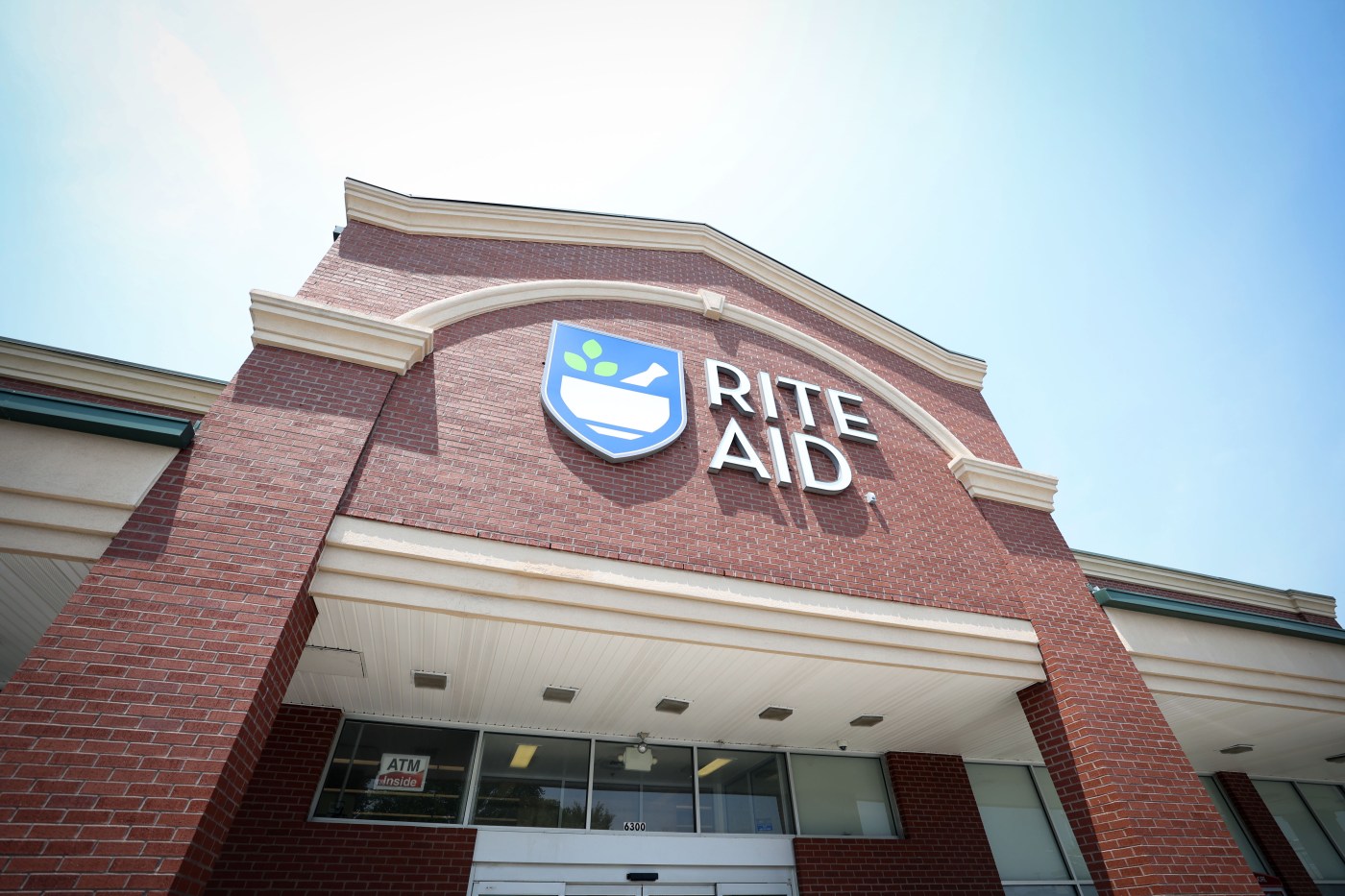
Despite this optimism, certain sectors face challenges. Following Rite Aid‘s extensive store closures this year, Weinswig anticipates further pharmacy closures in 2026. The pharmacy format, she argues, needs re-evaluation due to high operating costs and a reliance on lower-margin sales from prescription drugs rather than consumer product sales.
“We’re seeing that consumers are more price-sensitive than ever,” Weinswig noted. “There are cheaper places to stock up on toiletries and snacks.” This shift in consumer behavior has impacted several retailers. Rite Aid alone closed nearly 1,300 locations this year as it exited the market, topping the list of major closures. Other significant closures included Joann, Party City, Big Lots, Claire’s, Walgreens, 7-Eleven, Forever 21, CVS, and Dollar General.
On a positive note, Dollar General emerged as a leader in new store openings, adding 611 locations while closing 271. With over 20,000 stores nationwide, the company is leveraging artificial intelligence to enhance its operational efficiency. AI tools are enabling retailers like Dollar General to respond swiftly to market changes, replacing underperforming locations with more profitable ones.
“We’re starting to see faster decisions being made in retail,” Weinswig stated. “I think better decisions are being made that are a little more science and a little less art.” Data analytics is not only improving retailers’ operations but also allowing them to monetize their insights by selling data to companies seeking to better understand consumer preferences.
Weinswig believes that the significant closures this year could have potentially been mitigated if these AI tools had been implemented earlier. She pointed out that companies like Rite Aid, Joann, and Party City lost their financial discipline, keeping stores open longer than necessary instead of adjusting their portfolios.
“I think it’s truly about discipline,” Weinswig emphasized. “It was more tactical than strategic. Sometimes the tactical can eat your lunch, and in this case, unfortunately, it did.”
As the retail landscape evolves, the industry appears poised for a rebound in 2026, driven by strategic expansions and the innovative use of technology, even as some segments navigate ongoing challenges.

Urgent Tax Savings Alert: Maximize Deductions Before April 15

Trump’s Administration Faces Uncertainty Over Government Shutdowns

Cosmic Defects: The Mystery of the Universe’s Missing Anomalies

Rapid City Parks Department Opens Registration for Bocce Leagues

Samsung Galaxy Watch 9 to Feature Larger 435mAh Battery Soon

Two Dead After Student Boats Capsize Off Okinawa Coast

Healthy Choice Wellness Reports Earnings with Mixed Results

Prince Harry Positions Himself as Royal Family’s Image Reviver

All Points North Lodge Achieves FSPHP-ETA Accreditation

Send Holiday Parcels for £1.99 with New Comparison Service

University of Hawaiʻi Leads $25M AI Project to Monitor Natural Disasters

Maui County Reopens Upgraded Lānaʻi Fifth Street Courts Today!

Daily Codeword Puzzle Launches on October 21, 2025

Congresswoman Under Fire for Misleading Epstein Donation Claims

Interstellar Object 3I/ATLAS Emits Unique Metal Alloy, Says Scientist

Trump Vows to Resolve Afghanistan-Pakistan Crisis “Very Quickly”

Charles Darwin’s Address Book Reveals Hidden Aspects of His Life

Rediscovering Chrysler: 5 Overlooked Models from the 1980s
-
 Lifestyle8 months ago
Send Holiday Parcels for £1.99 with New Comparison Service
-
Science9 months ago
University of Hawaiʻi Leads $25M AI Project to Monitor Natural Disasters
-
 Top Stories8 months ago
Maui County Reopens Upgraded Lānaʻi Fifth Street Courts Today!
-
 Entertainment10 months ago
Daily Codeword Puzzle Launches on October 21, 2025
-
 Lifestyle9 months ago
Congresswoman Under Fire for Misleading Epstein Donation Claims
-
 Science10 months ago
Interstellar Object 3I/ATLAS Emits Unique Metal Alloy, Says Scientist
-
 Top Stories9 months ago
Trump Vows to Resolve Afghanistan-Pakistan Crisis “Very Quickly”
-
 Science8 months ago
Charles Darwin’s Address Book Reveals Hidden Aspects of His Life
-
 Lifestyle8 months ago
Rediscovering Chrysler: 5 Overlooked Models from the 1980s
-

 Science7 months ago
Understanding Generation Z: Strategies for Engaging the Workforce
-

 Entertainment10 months ago
Kelly McCreary Discusses Future of Maggie and Winston in Grey’s Anatomy
-

 Top Stories8 months ago
aespa Faces Backlash Over G-Dragon Interaction at 2025 MAMAs