
Politics
Illinois Governor Advocates for Tariff Refunds Amid Legal Ruling

Illinois Governor JB Pritzker is pressing for the return of approximately $8.7 billion in tariff refunds to households across the state. This call comes in the wake of a ruling by the U.S. Supreme Court that declared certain tariffs unlawful, raising questions about the financial repercussions for businesses and consumers alike. While Pritzker argues that families deserve direct reimbursement for what he calls an illegal tax, the complexities of tariff implementation suggest a more nuanced approach is required.
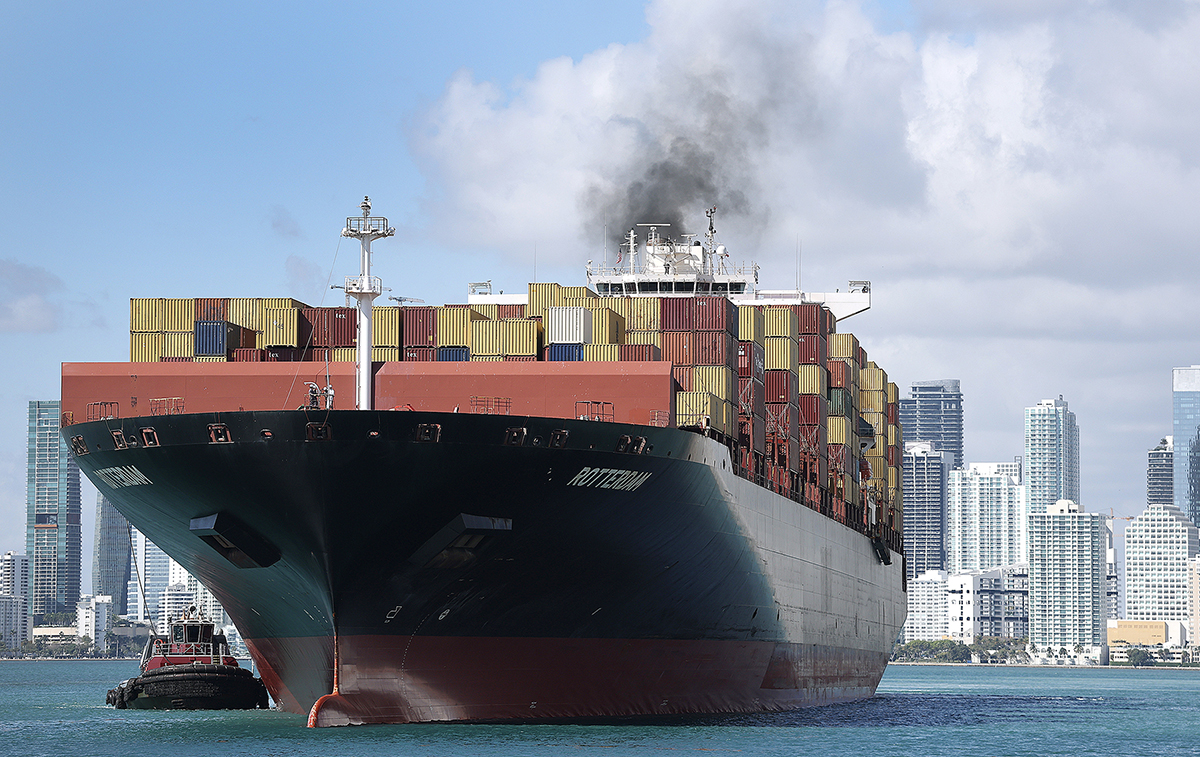
The recent Supreme Court decision addressed the constitutionality of the tariffs but left unresolved how to rectify the economic harm they caused. According to Pritzker, each Illinois household could receive about $1,700 as restitution, based on the premise that consumers ultimately bore the burden of higher prices due to these tariffs. However, this overlooks the fact that tariffs are not directly paid by consumers at the point of sale. Instead, they are assessed at the border and paid upfront by the importer of record, which can include small businesses, manufacturers, and logistics firms.
The impact of these tariffs varied significantly among businesses. Some companies absorbed the costs to maintain customer loyalty, while others passed the expenses along to consumers, often raising prices beyond the tariff amount. For instance, a small importer in Illinois faced an upfront tariff payment in September, which forced them to delay hiring and reduce bonuses. Even if they adjusted prices, they likely lost sales, leading to slowed growth and missed opportunities.
Understanding the ramifications of the tariffs requires a closer look at the actual payment trails. Refunds, if issued directly to households rather than to the importers who initially paid the tariffs, could leave these businesses financially vulnerable. They would remain responsible for upfront costs, sometimes amounting to hundreds of thousands or millions of dollars, while the state distributes checks to consumers based on estimates that may not accurately reflect individual circumstances.
Tariff refunds should follow the legal payment trail back to the importer of record. This approach ensures that the businesses that were compelled to pay the tariffs receive restitution, allowing them to decide how best to handle the refunds. Some may opt to pass these refunds directly to their customers, while others might reinvest in their operations or restore wages that were previously delayed. Each business’s situation is unique, and their financial decisions will reflect this diversity.
Not all losses can be recovered through refunds. Businesses that utilized major carriers often incurred additional fees, and many faced increased borrowing costs due to cash flow constraints. The broader economic consequences, such as reduced hiring and postponed investments, cannot be neatly quantified or reimbursed. Nonetheless, the law stipulates that funds unlawfully collected must be returned to the entity that was legally obligated to pay them.
Illinois is home to numerous import-dependent small businesses operating on narrow margins. For these businesses, tariff refunds represent essential working capital, payroll, and inventory. They are not merely windfalls but crucial resources that can determine whether a company can expand or must scale back.
Pritzker’s statement contains a critical truth: money unlawfully collected should be returned. However, the method of refunding these tariffs must respect the established legal framework and economic reality. If policymakers wish to discuss broader consumer relief or tax rebates, that conversation should occur separately.
In conclusion, the fair and lawful way to address tariff refunds is straightforward: return the funds to the businesses that paid them, allowing them to manage the situation according to their individual circumstances. Anything less may generate headlines but fails to address the underlying issues at play.

Urgent Tax Savings Alert: Maximize Deductions Before April 15

Trump’s Administration Faces Uncertainty Over Government Shutdowns

Cosmic Defects: The Mystery of the Universe’s Missing Anomalies

Rapid City Parks Department Opens Registration for Bocce Leagues

Samsung Galaxy Watch 9 to Feature Larger 435mAh Battery Soon

Two Dead After Student Boats Capsize Off Okinawa Coast

Healthy Choice Wellness Reports Earnings with Mixed Results

Prince Harry Positions Himself as Royal Family’s Image Reviver

All Points North Lodge Achieves FSPHP-ETA Accreditation

Send Holiday Parcels for £1.99 with New Comparison Service

University of Hawaiʻi Leads $25M AI Project to Monitor Natural Disasters

Maui County Reopens Upgraded Lānaʻi Fifth Street Courts Today!

Daily Codeword Puzzle Launches on October 21, 2025

Congresswoman Under Fire for Misleading Epstein Donation Claims

Interstellar Object 3I/ATLAS Emits Unique Metal Alloy, Says Scientist

Trump Vows to Resolve Afghanistan-Pakistan Crisis “Very Quickly”

Charles Darwin’s Address Book Reveals Hidden Aspects of His Life

Rediscovering Chrysler: 5 Overlooked Models from the 1980s
-
 Lifestyle8 months ago
Send Holiday Parcels for £1.99 with New Comparison Service
-
Science9 months ago
University of Hawaiʻi Leads $25M AI Project to Monitor Natural Disasters
-
 Top Stories8 months ago
Maui County Reopens Upgraded Lānaʻi Fifth Street Courts Today!
-
 Entertainment10 months ago
Daily Codeword Puzzle Launches on October 21, 2025
-
 Lifestyle9 months ago
Congresswoman Under Fire for Misleading Epstein Donation Claims
-
 Science10 months ago
Interstellar Object 3I/ATLAS Emits Unique Metal Alloy, Says Scientist
-
 Top Stories9 months ago
Trump Vows to Resolve Afghanistan-Pakistan Crisis “Very Quickly”
-
 Science8 months ago
Charles Darwin’s Address Book Reveals Hidden Aspects of His Life
-
 Lifestyle8 months ago
Rediscovering Chrysler: 5 Overlooked Models from the 1980s
-

 Science7 months ago
Understanding Generation Z: Strategies for Engaging the Workforce
-

 Entertainment10 months ago
Kelly McCreary Discusses Future of Maggie and Winston in Grey’s Anatomy
-

 Top Stories8 months ago
aespa Faces Backlash Over G-Dragon Interaction at 2025 MAMAs