
Health
Hidden Liver Disease Affects Millions in the U.S. — What to Know

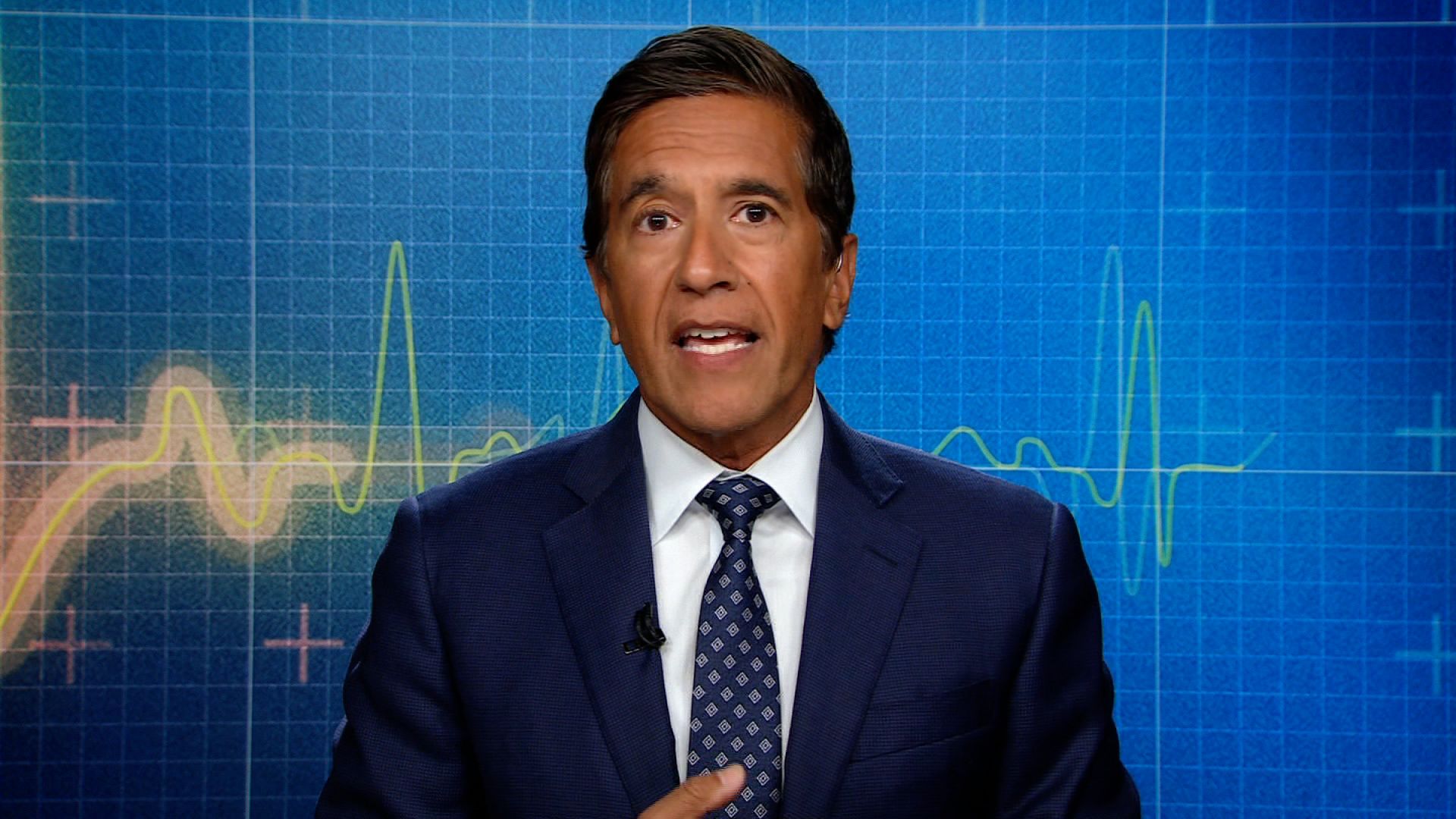
A lesser-known liver condition is rapidly becoming one of the most prevalent liver diseases in the United States. Known as metabolic dysfunction–associated steatotic liver disease, or MASLD, it often progresses unnoticed, with many individuals unaware of their diagnosis until advanced stages. This condition is increasingly significant due to its association with rising rates of obesity and type 2 diabetes.
According to a recent review published in the Journal of the American Medical Association (JAMA), MASLD affects an estimated 30% to 40% of adults globally. In the United States, approximately 1 in 3 adults are impacted. The disease is characterized by an accumulation of fat in the liver linked to metabolic issues, rather than excessive alcohol consumption.
Understanding MASLD and Its Symptoms
Dr. Leana Wen, an emergency physician and adjunct associate professor at George Washington University, explained that MASLD typically occurs in individuals with underlying metabolic disorders, including obesity and type 2 diabetes. The condition was previously referred to as nonalcoholic fatty liver disease (NAFLD).
Most individuals with MASLD do not exhibit symptoms in the initial stages, making it difficult to diagnose. They may experience vague signs such as fatigue or a feeling of fullness in the upper right abdomen. As the disease progresses, symptoms can include yellowing of the skin or eyes, dark urine, swelling, and severe fatigue. By this point, the liver damage may be considerable, underscoring the need for early diagnosis.
Diagnosis and Risk Factors
The diagnosis of MASLD often begins with routine blood tests that reveal abnormal liver enzymes or imaging studies, such as abdominal ultrasounds, indicating a fatty liver. Health care providers typically look for metabolic risk factors, including excess weight, diabetes, high blood pressure, and high cholesterol. Once fat accumulation is confirmed and other causes are ruled out, further evaluations may be conducted, including imaging and sometimes a liver biopsy.
Dr. Wen highlighted that adults with metabolic risk factors are most at risk for developing MASLD. While obesity is a significant contributor, individuals who are not visibly overweight can also be affected. The condition is more prevalent among those aged 50 and above but can also impact children, with nearly 10% of children aged 2 to 19 affected, according to the National Institute of Diabetes and Digestive and Kidney Diseases.
In the U.S., MASLD is most commonly observed in Hispanic populations, followed by non-Hispanic Whites and Asian Americans, while it is less common among non-Hispanic Black individuals.
Treatment Options and Preventive Measures
Fortunately, MASLD can often be improved or even reversed if diagnosed early. Dr. Wen emphasized that weight loss is a critical component of treatment, significantly reducing liver fat and inflammation. Regular physical activity, such as brisk walking a few times a week, also enhances insulin sensitivity and diminishes liver fat.
Recently, the Food and Drug Administration (FDA) approved two medications aimed at treating the more advanced form of MASLD, known as metabolic dysfunction–associated steatohepatitis (MASH). These medications, Rezdiffra (resmetirom) and Wegovy (semaglutide), are intended to complement lifestyle changes rather than replace them.
To safeguard liver health, individuals should focus on maintaining a healthy weight, engaging in regular physical activity, and following a balanced diet rich in lean proteins, whole grains, and vegetables while minimizing added sugars and ultra-processed foods.
For those with conditions like type 2 diabetes, high blood pressure, or high cholesterol, it is crucial to collaborate with healthcare providers to manage these issues effectively. Routine blood tests can help identify individuals who may benefit from further evaluation regarding their liver health. Additionally, avoiding excessive alcohol consumption and staying current with hepatitis vaccinations are essential steps in protecting liver function.
As awareness of MASLD grows, understanding its implications and taking proactive measures can significantly enhance liver health for millions of individuals.

Urgent Tax Savings Alert: Maximize Deductions Before April 15

Trump’s Administration Faces Uncertainty Over Government Shutdowns

Cosmic Defects: The Mystery of the Universe’s Missing Anomalies

Rapid City Parks Department Opens Registration for Bocce Leagues

Samsung Galaxy Watch 9 to Feature Larger 435mAh Battery Soon

Two Dead After Student Boats Capsize Off Okinawa Coast

Healthy Choice Wellness Reports Earnings with Mixed Results

Prince Harry Positions Himself as Royal Family’s Image Reviver

All Points North Lodge Achieves FSPHP-ETA Accreditation

Send Holiday Parcels for £1.99 with New Comparison Service

University of Hawaiʻi Leads $25M AI Project to Monitor Natural Disasters

Maui County Reopens Upgraded Lānaʻi Fifth Street Courts Today!

Daily Codeword Puzzle Launches on October 21, 2025

Congresswoman Under Fire for Misleading Epstein Donation Claims

Interstellar Object 3I/ATLAS Emits Unique Metal Alloy, Says Scientist

Trump Vows to Resolve Afghanistan-Pakistan Crisis “Very Quickly”

Charles Darwin’s Address Book Reveals Hidden Aspects of His Life

Rediscovering Chrysler: 5 Overlooked Models from the 1980s
-
 Lifestyle8 months ago
Send Holiday Parcels for £1.99 with New Comparison Service
-
Science9 months ago
University of Hawaiʻi Leads $25M AI Project to Monitor Natural Disasters
-
 Top Stories8 months ago
Maui County Reopens Upgraded Lānaʻi Fifth Street Courts Today!
-
 Entertainment10 months ago
Daily Codeword Puzzle Launches on October 21, 2025
-
 Lifestyle9 months ago
Congresswoman Under Fire for Misleading Epstein Donation Claims
-
 Science10 months ago
Interstellar Object 3I/ATLAS Emits Unique Metal Alloy, Says Scientist
-
 Top Stories9 months ago
Trump Vows to Resolve Afghanistan-Pakistan Crisis “Very Quickly”
-
 Science9 months ago
Charles Darwin’s Address Book Reveals Hidden Aspects of His Life
-
 Lifestyle8 months ago
Rediscovering Chrysler: 5 Overlooked Models from the 1980s
-

 Science7 months ago
Understanding Generation Z: Strategies for Engaging the Workforce
-

 Entertainment10 months ago
Kelly McCreary Discusses Future of Maggie and Winston in Grey’s Anatomy
-

 Top Stories8 months ago
aespa Faces Backlash Over G-Dragon Interaction at 2025 MAMAs