
Politics
Iran’s Supreme Leader Khamenei Killed as Conflict Escalates

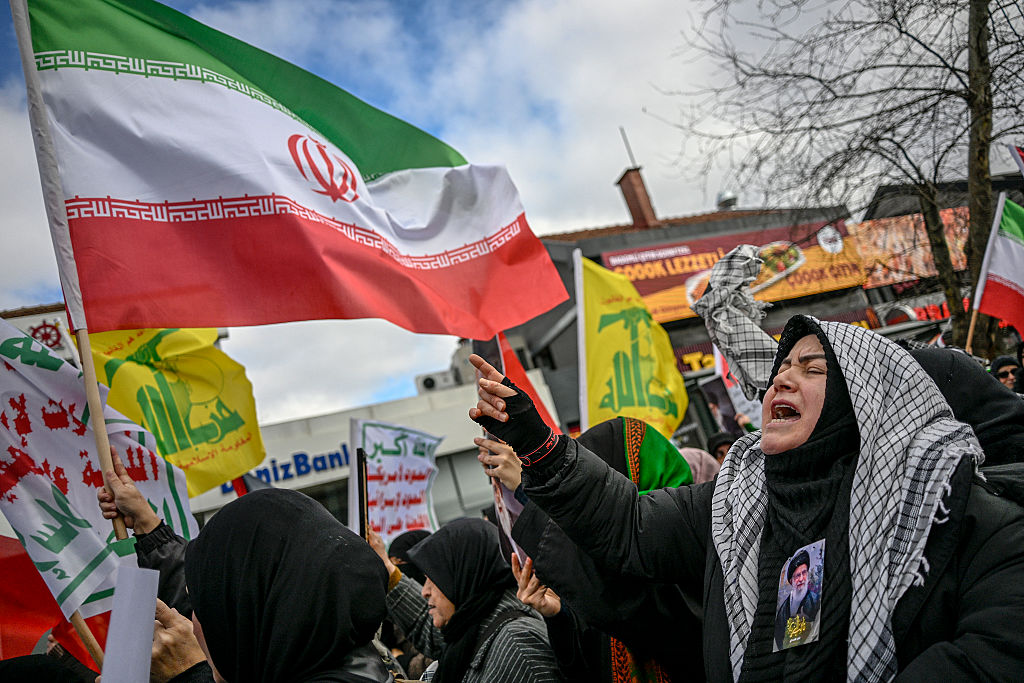
The death of Iran’s Supreme Leader, Ayatollah Ali Khamenei, has been confirmed following joint military strikes by the United States and Israel. This significant event, which occurred on March 1, 2026, marks a critical escalation in the ongoing conflict that began over the weekend. Khamenei had been the leader of the Islamic Republic since 1989, centralizing both religious and political authority while fostering a prolonged adversarial stance towards Israel and the United States.
The death of Khamenei, along with several senior Iranian commanders, has plunged the nation’s political and military leadership into uncertainty. There is currently no clear successor, which raises concerns about potential power struggles and continued retaliation from Iran. The strikes are part of an extensive campaign aimed at dismantling Iran’s leadership and military infrastructure, resulting in a series of ongoing offensive and counter-offensive actions.
Explosions were reported in Tehran as Israeli forces conducted what they described as “non-stop strikes” targeting military and regime sites across Iran. In response, Iran has launched missile and drone attacks against Israeli cities and U.S. military installations in the region. The situation has become increasingly volatile, with both sides suffering casualties.
The human toll extends beyond military figures, as civilian casualties continue to rise. Reports from human rights organizations and Iranian officials indicate numerous civilian deaths and injuries across various provinces. A ballistic missile strike from Iran killed at least nine people in central Israel and injured over 20, including children. Additionally, Iranian authorities claim that more than 100 children died when a U.S.- and Israel-affiliated airstrike hit a girls’ elementary school in Minab, an event condemned by the United Nations as a potential war crime.
The United States Central Command (CENTCOM) has confirmed that three U.S. service members have been killed in the conflict, highlighting the involvement of American forces in the escalating violence. As of 9:30 AM ET on March 1, casualties among U.S. troops include three fatalities and five serious injuries. Several others sustained minor injuries from shrapnel and concussions, reflecting the intense nature of the ongoing military actions.
The conflict’s repercussions have extended beyond Iran, with incidents of violence reported in other regions. In Karachi, Pakistan, a pro-Iran demonstration led to the deaths of at least nine individuals, further illustrating the broader regional tensions ignited by the crisis.
Airspace across the Middle East remains disrupted, raising global concerns about a potential widening of the conflict. Governments around the world, particularly in the Gulf and Europe, have expressed alarm over the escalation and the instability it could create in the region.
This outbreak of violence coincides with ongoing debates in the U.S. Congress regarding the necessity of formal authorization for military actions under the nation’s war powers. The political discourse surrounding these strikes has intensified as the situation develops rapidly.
As the conflict continues to unfold, the international community watches closely, aware of the profound implications for regional and global security.

Urgent Tax Savings Alert: Maximize Deductions Before April 15

Trump’s Administration Faces Uncertainty Over Government Shutdowns

Cosmic Defects: The Mystery of the Universe’s Missing Anomalies

Rapid City Parks Department Opens Registration for Bocce Leagues

Samsung Galaxy Watch 9 to Feature Larger 435mAh Battery Soon

Two Dead After Student Boats Capsize Off Okinawa Coast

Healthy Choice Wellness Reports Earnings with Mixed Results

Prince Harry Positions Himself as Royal Family’s Image Reviver

All Points North Lodge Achieves FSPHP-ETA Accreditation

Send Holiday Parcels for £1.99 with New Comparison Service

University of Hawaiʻi Leads $25M AI Project to Monitor Natural Disasters

Maui County Reopens Upgraded Lānaʻi Fifth Street Courts Today!

Daily Codeword Puzzle Launches on October 21, 2025

Congresswoman Under Fire for Misleading Epstein Donation Claims

Interstellar Object 3I/ATLAS Emits Unique Metal Alloy, Says Scientist

Trump Vows to Resolve Afghanistan-Pakistan Crisis “Very Quickly”

Charles Darwin’s Address Book Reveals Hidden Aspects of His Life

Rediscovering Chrysler: 5 Overlooked Models from the 1980s
-
 Lifestyle8 months ago
Send Holiday Parcels for £1.99 with New Comparison Service
-
Science9 months ago
University of Hawaiʻi Leads $25M AI Project to Monitor Natural Disasters
-
 Top Stories8 months ago
Maui County Reopens Upgraded Lānaʻi Fifth Street Courts Today!
-
 Entertainment10 months ago
Daily Codeword Puzzle Launches on October 21, 2025
-
 Lifestyle9 months ago
Congresswoman Under Fire for Misleading Epstein Donation Claims
-
 Science10 months ago
Interstellar Object 3I/ATLAS Emits Unique Metal Alloy, Says Scientist
-
 Top Stories9 months ago
Trump Vows to Resolve Afghanistan-Pakistan Crisis “Very Quickly”
-
 Science8 months ago
Charles Darwin’s Address Book Reveals Hidden Aspects of His Life
-
 Lifestyle8 months ago
Rediscovering Chrysler: 5 Overlooked Models from the 1980s
-

 Science7 months ago
Understanding Generation Z: Strategies for Engaging the Workforce
-

 Entertainment10 months ago
Kelly McCreary Discusses Future of Maggie and Winston in Grey’s Anatomy
-

 Top Stories8 months ago
aespa Faces Backlash Over G-Dragon Interaction at 2025 MAMAs