
Science
Henrietta Lacks’s Legacy: How HeLa Cells Transformed Medical Research

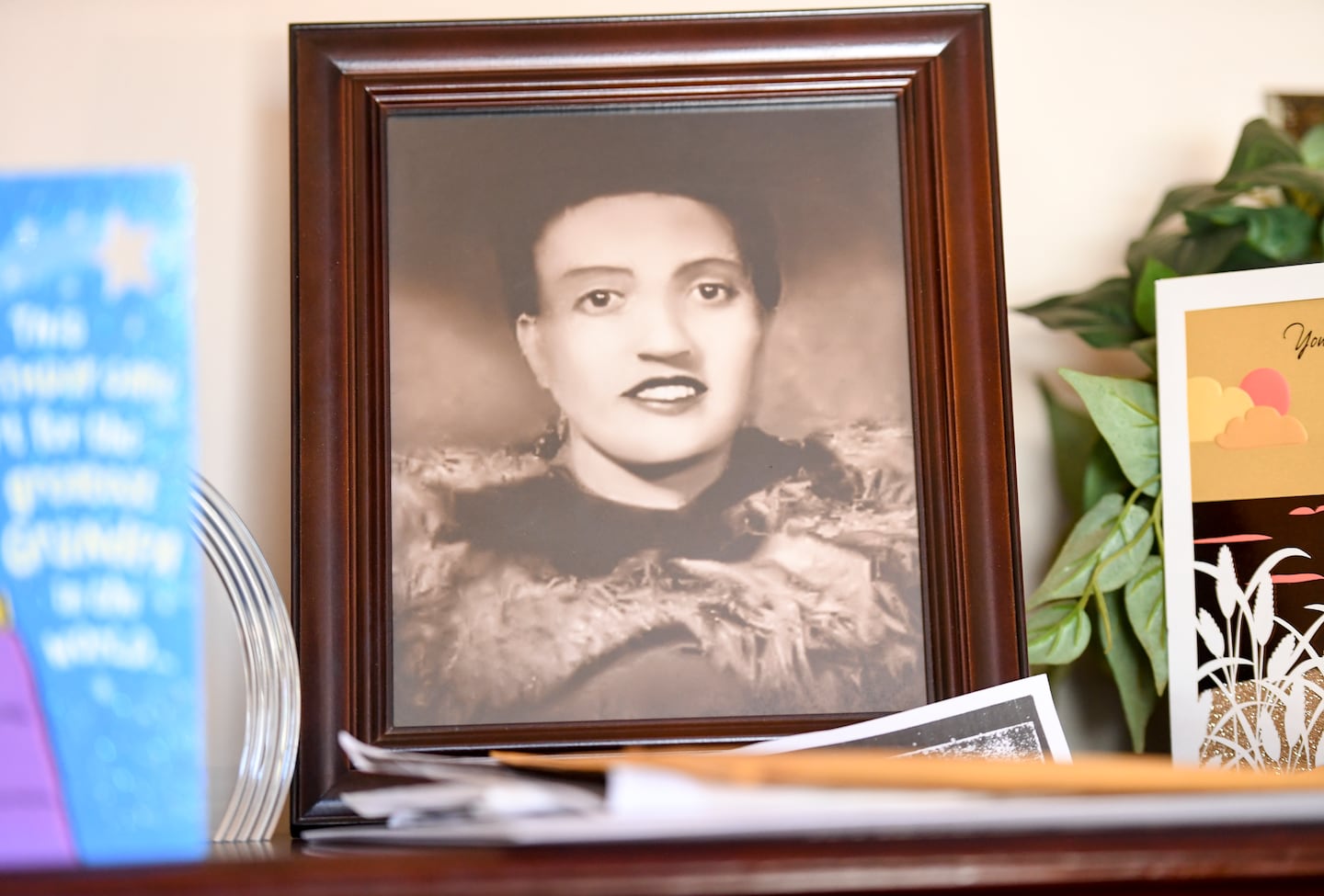
Seventy-five years ago, Henrietta Lacks unknowingly contributed to a medical breakthrough that reshaped research ethics and practices. In 1951, doctors at Johns Hopkins Hospital harvested cells from Lacks, an African American woman diagnosed with cervical cancer, without her consent. These cells, now known as HeLa cells, became pivotal in numerous medical advancements, including the development of vaccines for polio and HPV, as well as treatments for HIV/AIDS, leukemia, and influenza.
Lacks passed away in 1951, but her cells continue to thrive in laboratories around the world, leading to significant scientific discoveries. Researchers are now reflecting on the profound impact of HeLa cells and the ethical implications of Lacks’s unwitting participation in this groundbreaking research. According to Cigall Kadoch, an associate professor at the Dana-Farber Cancer Institute and Harvard Medical School, “To the modern researcher, the fact that cells were taken and established into an immortalized, forever-growing cell line from a patient that didn’t know that happened is astounding.”
The story of Henrietta Lacks gained widespread attention with the publication of Rebecca Skloot‘s book, “The Immortal Life of Henrietta Lacks,” in 2010. The narrative took a legal turn recently when Lacks’s family filed a lawsuit against Thermo Fisher Scientific, alleging that the company profited billions from a racially biased medical system. In 2023, her descendants reached a confidential settlement with the biotechnology firm, followed by another settlement with Novartis earlier this month.
Born in 1920 in Roanoke, Virginia, Lacks worked on a tobacco farm before marrying David “Day” Lacks in 1941 and having five children. On February 1, 1951, she sought treatment at Johns Hopkins for a “knot” in her cervix, one of the few hospitals that provided care for Black patients at the time. Following a biopsy, Lacks was diagnosed with cervical cancer. She initially kept her diagnosis from her family to avoid causing concern, as detailed in Skloot’s book.
After consenting to necessary medical procedures, doctors collected samples of both her tumor and healthy cervical tissue for Dr. George Gey to culture. These samples eventually became HeLa cells, named using the first two letters of Lacks’s first and last names. Gey’s discovery that her cancerous cells could survive and replicate indefinitely marked a turning point in medical research.
Dr. Sabrina Assoumou, an infectious disease physician at Boston Medical Center, credits much of her research to the foundational work done with HeLa cells. Her current focus is on disseminating a long-acting HIV medication, Sunlenca, which has received FDA approval. Assoumou emphasizes the importance of HeLa cells in understanding HIV infection and developing effective treatments. “Understanding the mechanism that helped us later develop drugs that enable me to help my patients live longer and happier lives, a lot of the underpinnings were related to a lot of that fundamental work,” she said.
Kadoch’s research lab at Dana-Farber also works with HeLa cells, utilizing advancements in gene sequencing to uncover the genetic foundations of various cancers. She notes that cancer is not a single disease but rather a diverse collection of conditions. Despite their utility, establishing cell lines for all cancer types remains challenging due to variability in how human cells behave in laboratory settings. “We often say no two HeLa cell lines from two different labs are the same,” Kadoch explained, citing environmental factors that can alter cell behavior.
The legacy of HeLa cells extends beyond scientific breakthroughs; it has prompted a critical reevaluation of ethical standards regarding informed consent in research. Assoumou is involved in developing a course at Boston Medical Center designed to educate medical interpreters about the historical challenges of clinical trials, including Lacks’s story and the infamous Tuskegee syphilis study. The course aims to empower interpreters to advocate for patients who may lack proficiency in English.
Kadoch believes that improving informed consent practices is essential for ensuring diversity in research participants. Cancer mutations can yield different outcomes across various backgrounds, making it imperative to include a heterogeneous representation in studies. “We’ll do a better job for our worldly effort against cancer if we understand the heterogeneous repertoire of individuals that get these diseases and the type of genes that are contributing to these diseases,” she stated.
Many researchers remain unaware of the full story behind HeLa cells, according to Kadoch. She actively acknowledges the contributions of patients and their families to her work. Her message to fellow researchers is straightforward: “Know what you work with, and where it came from.”
As the scientific community continues to benefit from the immortal legacy of Henrietta Lacks, her story serves as a reminder of the ethical responsibilities that accompany medical research. The advancements made possible through her cells underscore the importance of informed consent and respect for the individuals who make scientific progress possible.

Urgent Tax Savings Alert: Maximize Deductions Before April 15

Trump’s Administration Faces Uncertainty Over Government Shutdowns

Cosmic Defects: The Mystery of the Universe’s Missing Anomalies

Rapid City Parks Department Opens Registration for Bocce Leagues

Samsung Galaxy Watch 9 to Feature Larger 435mAh Battery Soon

Two Dead After Student Boats Capsize Off Okinawa Coast

Healthy Choice Wellness Reports Earnings with Mixed Results

Prince Harry Positions Himself as Royal Family’s Image Reviver

All Points North Lodge Achieves FSPHP-ETA Accreditation

Send Holiday Parcels for £1.99 with New Comparison Service

University of Hawaiʻi Leads $25M AI Project to Monitor Natural Disasters

Maui County Reopens Upgraded Lānaʻi Fifth Street Courts Today!

Daily Codeword Puzzle Launches on October 21, 2025

Congresswoman Under Fire for Misleading Epstein Donation Claims

Interstellar Object 3I/ATLAS Emits Unique Metal Alloy, Says Scientist

Trump Vows to Resolve Afghanistan-Pakistan Crisis “Very Quickly”

Charles Darwin’s Address Book Reveals Hidden Aspects of His Life

Rediscovering Chrysler: 5 Overlooked Models from the 1980s
-
 Lifestyle8 months ago
Send Holiday Parcels for £1.99 with New Comparison Service
-
Science9 months ago
University of Hawaiʻi Leads $25M AI Project to Monitor Natural Disasters
-
 Top Stories8 months ago
Maui County Reopens Upgraded Lānaʻi Fifth Street Courts Today!
-
 Entertainment10 months ago
Daily Codeword Puzzle Launches on October 21, 2025
-
 Lifestyle9 months ago
Congresswoman Under Fire for Misleading Epstein Donation Claims
-
 Science10 months ago
Interstellar Object 3I/ATLAS Emits Unique Metal Alloy, Says Scientist
-
 Top Stories9 months ago
Trump Vows to Resolve Afghanistan-Pakistan Crisis “Very Quickly”
-
 Science8 months ago
Charles Darwin’s Address Book Reveals Hidden Aspects of His Life
-
 Lifestyle8 months ago
Rediscovering Chrysler: 5 Overlooked Models from the 1980s
-

 Science7 months ago
Understanding Generation Z: Strategies for Engaging the Workforce
-

 Entertainment10 months ago
Kelly McCreary Discusses Future of Maggie and Winston in Grey’s Anatomy
-

 Top Stories8 months ago
aespa Faces Backlash Over G-Dragon Interaction at 2025 MAMAs