
Top Stories
Ofcom Faces Urgent Calls to Close YouTube Hate Speech Loophole

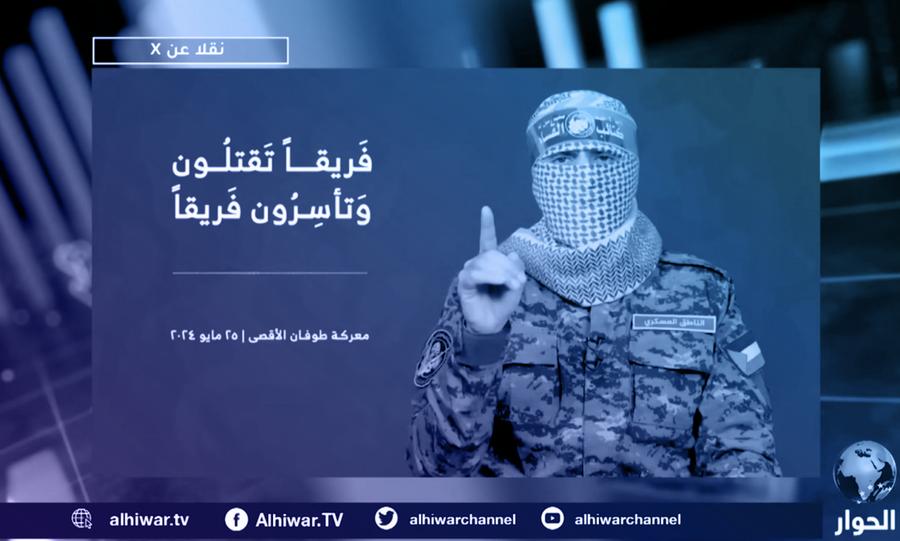
UPDATE: Ofcom is facing mounting pressure to close a critical loophole allowing UK-based channels to broadcast hate speech and extremist propaganda via YouTube without repercussions. Leading politicians and Jewish organizations are demanding immediate action to halt the transmission of antisemitic content and pro-terror rhetoric into British homes.
Just announced: Ofcom claims it cannot intervene against channels like LuaLua TV and Al-Hiwar due to their online streaming status. Critics argue this is a dangerous oversight, promoting harmful views without accountability. Shadow culture secretary Nigel Huddleston has called the situation “deeply alarming,” urging the government to assess whether Ofcom has sufficient powers or if legislative changes are necessary.
The controversy intensified after LuaLua TV, banned in the US since 2021 due to its ties to the Islamic Republic, aired extensive speeches from slain Hezbollah leader Hassan Nasrallah following the tragic events of October 7, 2023. Contributors praised the attacks as “a step closer to victory” for their cause, raising serious concerns about the platforming of terrorism in UK broadcasting.
Al-Hiwar, another online channel based in Acton, London, has over 1.88 million YouTube subscribers and has hosted several senior Hamas figures. This channel has sparked outrage for promoting anti-Zionist sentiments, with notable guests making inflammatory claims about global organizations being part of a “Zionist enterprise.”
On a recent episode, Azzam al-Tamimi, the channel’s founding managing editor, stated, “We now unite the people on the elimination of the Zionist enterprise… Zionism is an inhuman – and even anti-human – movement.” These comments come just weeks after the Community Security Trust (CST) reported that Al-Hiwar has repeatedly aired material sympathetic to Hamas.
The CST’s analysis of 120 shows since October reveals a troubling pattern of endorsement for violence, including calls to action following the October 7 attacks. On that day, presenter Salih al-Azraq told viewers that “the resistance would kill and capture dozens,” reflecting the channel’s alignment with extremist views.
An Ofcom spokesperson acknowledged the limitations of their authority, stating, “The Broadcasting Code does not apply to online-only streams or YouTube channels, and any change to this would be a matter for government and parliament.” This regulatory gap has left many questioning the safety of audiences exposed to such content.
Next steps: As calls grow louder for an urgent review of the regulatory framework governing online broadcasts, the UK government faces pressure to act decisively. The implications of these channels’ content extend beyond legality; they pose a profound risk to community safety and social cohesion.
As the situation develops, authorities are urged to reassess how online platforms can be effectively regulated to prevent the spread of extremist ideologies. The outcome of this debate could shape the future of broadcasting standards in the UK, determining how, and if, platforms like YouTube will be held accountable for the content they host.
This issue is no longer just about regulatory loopholes; it is about safeguarding the integrity of public discourse and protecting communities from the insidious spread of hate. Stay tuned for further updates as this story unfolds.

Urgent Tax Savings Alert: Maximize Deductions Before April 15

Trump’s Administration Faces Uncertainty Over Government Shutdowns

Cosmic Defects: The Mystery of the Universe’s Missing Anomalies

Rapid City Parks Department Opens Registration for Bocce Leagues

Samsung Galaxy Watch 9 to Feature Larger 435mAh Battery Soon

Two Dead After Student Boats Capsize Off Okinawa Coast

Healthy Choice Wellness Reports Earnings with Mixed Results

Prince Harry Positions Himself as Royal Family’s Image Reviver

All Points North Lodge Achieves FSPHP-ETA Accreditation

Send Holiday Parcels for £1.99 with New Comparison Service

University of Hawaiʻi Leads $25M AI Project to Monitor Natural Disasters

Maui County Reopens Upgraded Lānaʻi Fifth Street Courts Today!

Daily Codeword Puzzle Launches on October 21, 2025

Congresswoman Under Fire for Misleading Epstein Donation Claims

Interstellar Object 3I/ATLAS Emits Unique Metal Alloy, Says Scientist

Trump Vows to Resolve Afghanistan-Pakistan Crisis “Very Quickly”

Charles Darwin’s Address Book Reveals Hidden Aspects of His Life

Rediscovering Chrysler: 5 Overlooked Models from the 1980s
-
 Lifestyle8 months ago
Send Holiday Parcels for £1.99 with New Comparison Service
-
Science9 months ago
University of Hawaiʻi Leads $25M AI Project to Monitor Natural Disasters
-
 Top Stories8 months ago
Maui County Reopens Upgraded Lānaʻi Fifth Street Courts Today!
-
 Entertainment10 months ago
Daily Codeword Puzzle Launches on October 21, 2025
-
 Lifestyle9 months ago
Congresswoman Under Fire for Misleading Epstein Donation Claims
-
 Science10 months ago
Interstellar Object 3I/ATLAS Emits Unique Metal Alloy, Says Scientist
-
 Top Stories9 months ago
Trump Vows to Resolve Afghanistan-Pakistan Crisis “Very Quickly”
-
 Science9 months ago
Charles Darwin’s Address Book Reveals Hidden Aspects of His Life
-
 Lifestyle8 months ago
Rediscovering Chrysler: 5 Overlooked Models from the 1980s
-

 Science7 months ago
Understanding Generation Z: Strategies for Engaging the Workforce
-

 Entertainment10 months ago
Kelly McCreary Discusses Future of Maggie and Winston in Grey’s Anatomy
-

 Top Stories8 months ago
aespa Faces Backlash Over G-Dragon Interaction at 2025 MAMAs