
Top Stories
Scientists Uncover Ancient Secrets in Fossilized Bones – Urgent Findings

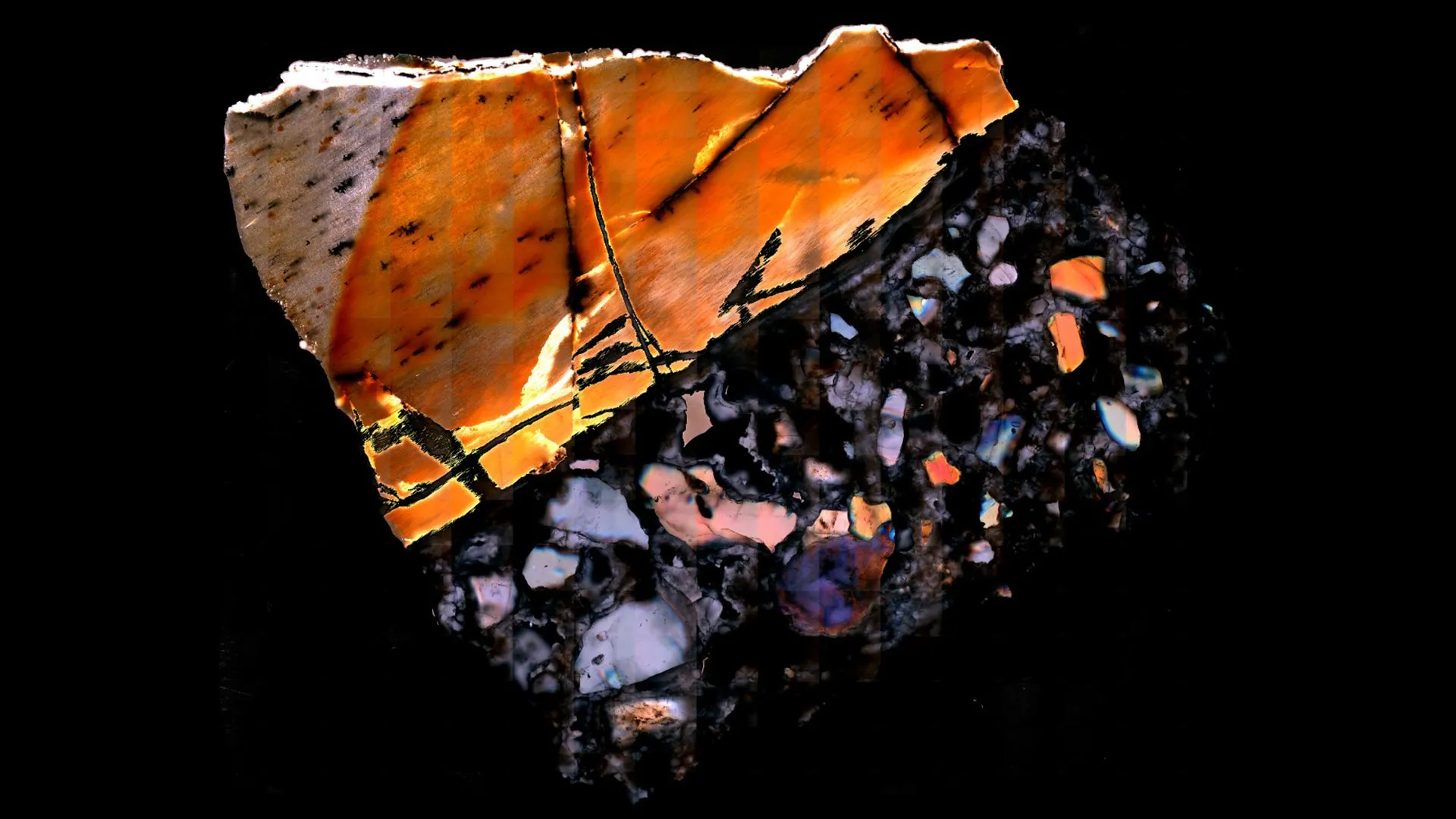
UPDATE: Researchers at New York University have made a groundbreaking discovery that reveals vital secrets of prehistoric life. For the first time, they successfully extracted preserved metabolic molecules from fossilized bones dating back 1.3 to 3 million years, offering unprecedented insights into ancient ecosystems.
This transformative study, published in the journal Nature, shows how the analysis of these metabolites can reconstruct ancient diets, diseases, and even climatic conditions of the time. The findings point to environments that were significantly warm and wet compared to today’s climate. This research could change how scientists understand prehistoric habitats and animal biology.
The team, led by Timothy Bromage, professor of molecular pathobiology at NYU, utilized advanced mass spectrometry techniques to identify nearly 2,200 metabolites from bones of various ancient animals found in regions of Tanzania, Malawi, and South Africa. Notably, one fossilized ground squirrel bone from Olduvai Gorge showed signs of infection from the parasite Trypanosoma brucei, which causes sleeping sickness in humans.
“This discovery highlights the parasite’s unique metabolite, offering a glimpse into the health challenges faced by these ancient creatures,” said Bromage. The researchers also identified chemical markers indicating the animals’ diets, including evidence of plants like aloe and asparagus, providing clues about their environments.
The implications of this research are profound. By tracing the metabolic signals linked to health and diet, scientists can build detailed narratives about the ancient landscapes where these animals thrived. The study reveals that fossilized bones are not just remnants of the past but vessels of information that can illuminate the ecological conditions of ancient times.
Bromage emphasizes that the ability to analyze metabolites in fossils opens a new frontier in paleontology. “Using metabolic analyses to study fossils may enable us to reconstruct the prehistoric world with a new level of detail, akin to field ecologists studying modern ecosystems,” he stated.
The research team, which includes contributors from various international institutions, was supported by The Leakey Foundation and the National Institutes of Health. Their findings mark a pivotal moment in understanding how ancient species interacted with their environments and the biological processes that shaped their lives.
As scientists continue to explore these ancient remains, the potential for new discoveries remains vast. The study not only enriches our knowledge of prehistoric life but also emphasizes the interconnectedness of ecosystems through time, highlighting the enduring legacy of these long-gone creatures.
Stay tuned for more updates as researchers delve deeper into the secrets locked within these fossilized bones, promising to unveil even more about our planet’s distant past.

Urgent Tax Savings Alert: Maximize Deductions Before April 15

Trump’s Administration Faces Uncertainty Over Government Shutdowns

Cosmic Defects: The Mystery of the Universe’s Missing Anomalies

Rapid City Parks Department Opens Registration for Bocce Leagues

Samsung Galaxy Watch 9 to Feature Larger 435mAh Battery Soon

Two Dead After Student Boats Capsize Off Okinawa Coast

Healthy Choice Wellness Reports Earnings with Mixed Results

Prince Harry Positions Himself as Royal Family’s Image Reviver

All Points North Lodge Achieves FSPHP-ETA Accreditation

Send Holiday Parcels for £1.99 with New Comparison Service

University of Hawaiʻi Leads $25M AI Project to Monitor Natural Disasters

Maui County Reopens Upgraded Lānaʻi Fifth Street Courts Today!

Daily Codeword Puzzle Launches on October 21, 2025

Congresswoman Under Fire for Misleading Epstein Donation Claims

Interstellar Object 3I/ATLAS Emits Unique Metal Alloy, Says Scientist

Trump Vows to Resolve Afghanistan-Pakistan Crisis “Very Quickly”

Charles Darwin’s Address Book Reveals Hidden Aspects of His Life

Rediscovering Chrysler: 5 Overlooked Models from the 1980s
-
 Lifestyle8 months ago
Send Holiday Parcels for £1.99 with New Comparison Service
-
Science9 months ago
University of Hawaiʻi Leads $25M AI Project to Monitor Natural Disasters
-
 Top Stories8 months ago
Maui County Reopens Upgraded Lānaʻi Fifth Street Courts Today!
-
 Entertainment10 months ago
Daily Codeword Puzzle Launches on October 21, 2025
-
 Lifestyle9 months ago
Congresswoman Under Fire for Misleading Epstein Donation Claims
-
 Science10 months ago
Interstellar Object 3I/ATLAS Emits Unique Metal Alloy, Says Scientist
-
 Top Stories10 months ago
Trump Vows to Resolve Afghanistan-Pakistan Crisis “Very Quickly”
-
 Science9 months ago
Charles Darwin’s Address Book Reveals Hidden Aspects of His Life
-
 Lifestyle8 months ago
Rediscovering Chrysler: 5 Overlooked Models from the 1980s
-

 Science7 months ago
Understanding Generation Z: Strategies for Engaging the Workforce
-

 Entertainment10 months ago
Kelly McCreary Discusses Future of Maggie and Winston in Grey’s Anatomy
-

 Top Stories8 months ago
aespa Faces Backlash Over G-Dragon Interaction at 2025 MAMAs