
Top Stories
Urgent: Glen Canyon Dam Faces Operational Crisis Amid Water Shortage

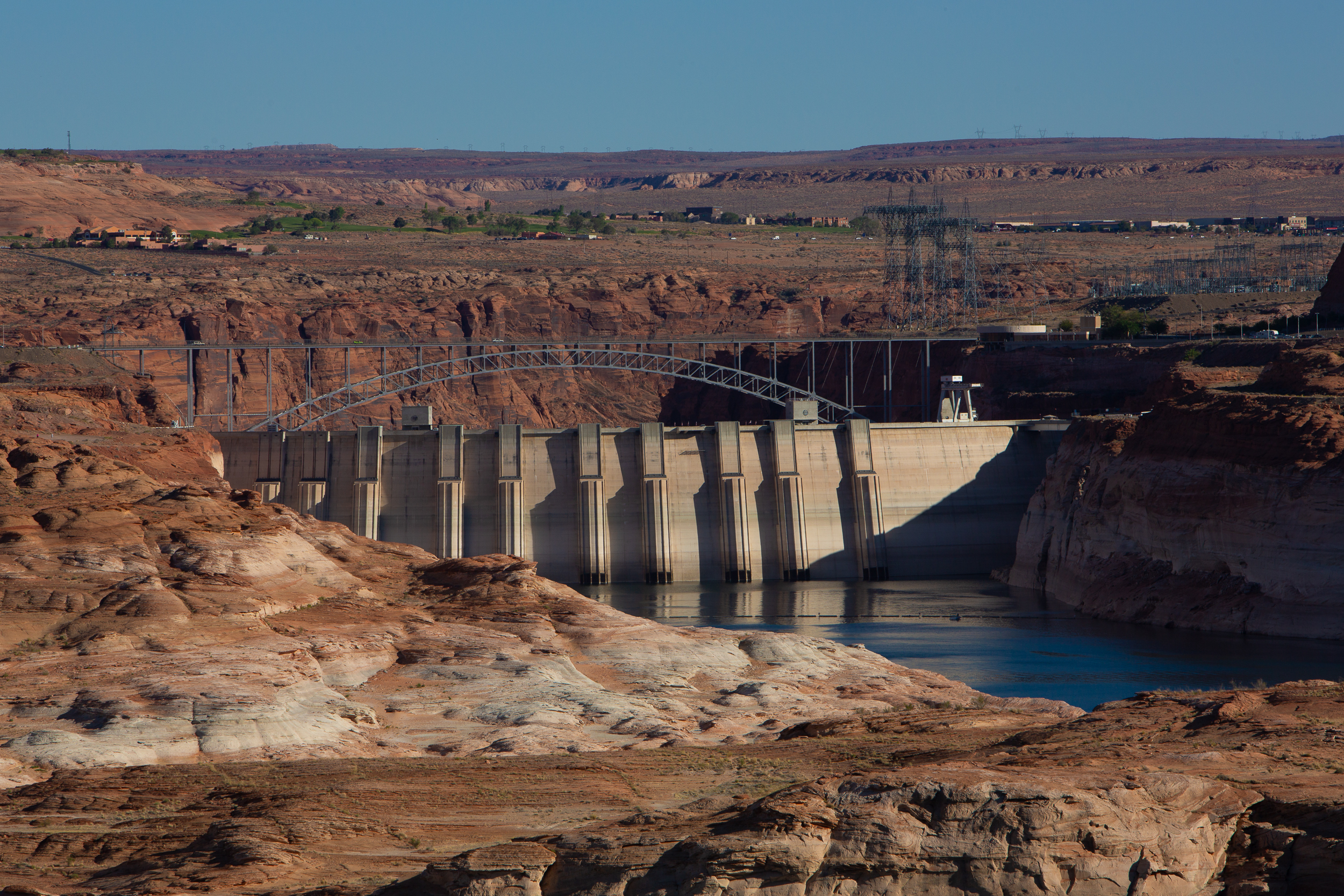
URGENT UPDATE: The Glen Canyon Dam is on the brink of operational failure as water levels in Lake Powell plummet, threatening crucial water supplies for over 25 million people. With the Bureau of Reclamation warning of imminent issues, the situation has escalated to a critical point requiring immediate attention.
The current crisis stems from historic mismanagement and climate change, resulting in Lake Powell declining to alarming levels. As of March 2023, water levels were perilously close—just 30 feet—from reaching the minimum needed to generate power. This “minimum power pool” is crucial; below 3,490 feet, the dam’s turbines must shut down to prevent dangerous cavitation, which could lead to catastrophic failures.
The looming deadline of February 14, 2026 is vital. States including California, Arizona, and Nevada must agree on a new management plan for the Colorado River, or the federal government will impose its own—an outcome none of the states desire. Meanwhile, the 30 tribes with claims to the river remain excluded from these negotiations, intensifying tensions as water scarcity becomes more acute.
Decades of over-allocation based on an outdated understanding of river flows have left the Colorado River in a precarious state. Reservoirs like Lake Mead and Lake Powell are now below 30% capacity, with a 20% decline in river flow recorded this century. Scientists warn that rising temperatures will only worsen this trend, threatening the region’s agricultural and urban water supplies.
The structure of the dam itself is also at risk. Originally designed for stable water levels, Glen Canyon Dam now faces the stark reality of insufficient water. A significant design flaw in the dam’s river outlet works (ROWs) means they are unsafe for prolonged use, risking erosion when reservoir levels drop. This could severely limit the dam’s ability to deliver water downstream, jeopardizing agricultural economies and the ecosystems reliant on the Colorado River.
If water levels fall to 3,370 feet, Lake Powell could reach “dead pool” status, where water only flows through the dam when river inflows exceed evaporation losses. This scenario would leave 1.7 million acre-feet of trapped water stagnant and prone to ecological disaster, impacting ecosystems as far as the Gulf of California.
Local authorities are sounding alarms. A letter from the Lower Basin states recently urged Interior Secretary Doug Burgum to address the dam’s structural issues, stating that ignoring these limitations violates federal law. They emphasized that improving the dam’s infrastructure is critical to ensuring sustainable management of the Colorado River.
Former Bureau of Reclamation Commissioner Floyd Dominy outlined a potential solution over two decades ago, envisioning bypass tunnels to manage water flow better. His proposal remains a crucial part of the conversation as the region grapples with an imminent water crisis.
As the deadline approaches, the need for decisive action has never been more urgent. With the future of the Colorado River and its dependent communities hanging in the balance, stakeholders must put aside disputes and prioritize a sustainable solution to avert disaster.
Stay tuned for developments as we approach February 14, 2026. The fate of millions and the health of vital ecosystems depend on the actions taken in the coming days.

Urgent Tax Savings Alert: Maximize Deductions Before April 15

Trump’s Administration Faces Uncertainty Over Government Shutdowns

Cosmic Defects: The Mystery of the Universe’s Missing Anomalies

Rapid City Parks Department Opens Registration for Bocce Leagues

Samsung Galaxy Watch 9 to Feature Larger 435mAh Battery Soon

Two Dead After Student Boats Capsize Off Okinawa Coast

Healthy Choice Wellness Reports Earnings with Mixed Results

Prince Harry Positions Himself as Royal Family’s Image Reviver

All Points North Lodge Achieves FSPHP-ETA Accreditation

Send Holiday Parcels for £1.99 with New Comparison Service

University of Hawaiʻi Leads $25M AI Project to Monitor Natural Disasters

Maui County Reopens Upgraded Lānaʻi Fifth Street Courts Today!

Daily Codeword Puzzle Launches on October 21, 2025

Congresswoman Under Fire for Misleading Epstein Donation Claims

Interstellar Object 3I/ATLAS Emits Unique Metal Alloy, Says Scientist

Trump Vows to Resolve Afghanistan-Pakistan Crisis “Very Quickly”

Charles Darwin’s Address Book Reveals Hidden Aspects of His Life

Rediscovering Chrysler: 5 Overlooked Models from the 1980s
-
 Lifestyle8 months ago
Send Holiday Parcels for £1.99 with New Comparison Service
-
Science9 months ago
University of Hawaiʻi Leads $25M AI Project to Monitor Natural Disasters
-
 Top Stories8 months ago
Maui County Reopens Upgraded Lānaʻi Fifth Street Courts Today!
-
 Entertainment10 months ago
Daily Codeword Puzzle Launches on October 21, 2025
-
 Lifestyle9 months ago
Congresswoman Under Fire for Misleading Epstein Donation Claims
-
 Science10 months ago
Interstellar Object 3I/ATLAS Emits Unique Metal Alloy, Says Scientist
-
 Top Stories9 months ago
Trump Vows to Resolve Afghanistan-Pakistan Crisis “Very Quickly”
-
 Science8 months ago
Charles Darwin’s Address Book Reveals Hidden Aspects of His Life
-
 Lifestyle8 months ago
Rediscovering Chrysler: 5 Overlooked Models from the 1980s
-

 Science7 months ago
Understanding Generation Z: Strategies for Engaging the Workforce
-

 Entertainment10 months ago
Kelly McCreary Discusses Future of Maggie and Winston in Grey’s Anatomy
-

 Top Stories8 months ago
aespa Faces Backlash Over G-Dragon Interaction at 2025 MAMAs