
World
Boeing Completes Redesign of 737 MAX Anti-Ice System

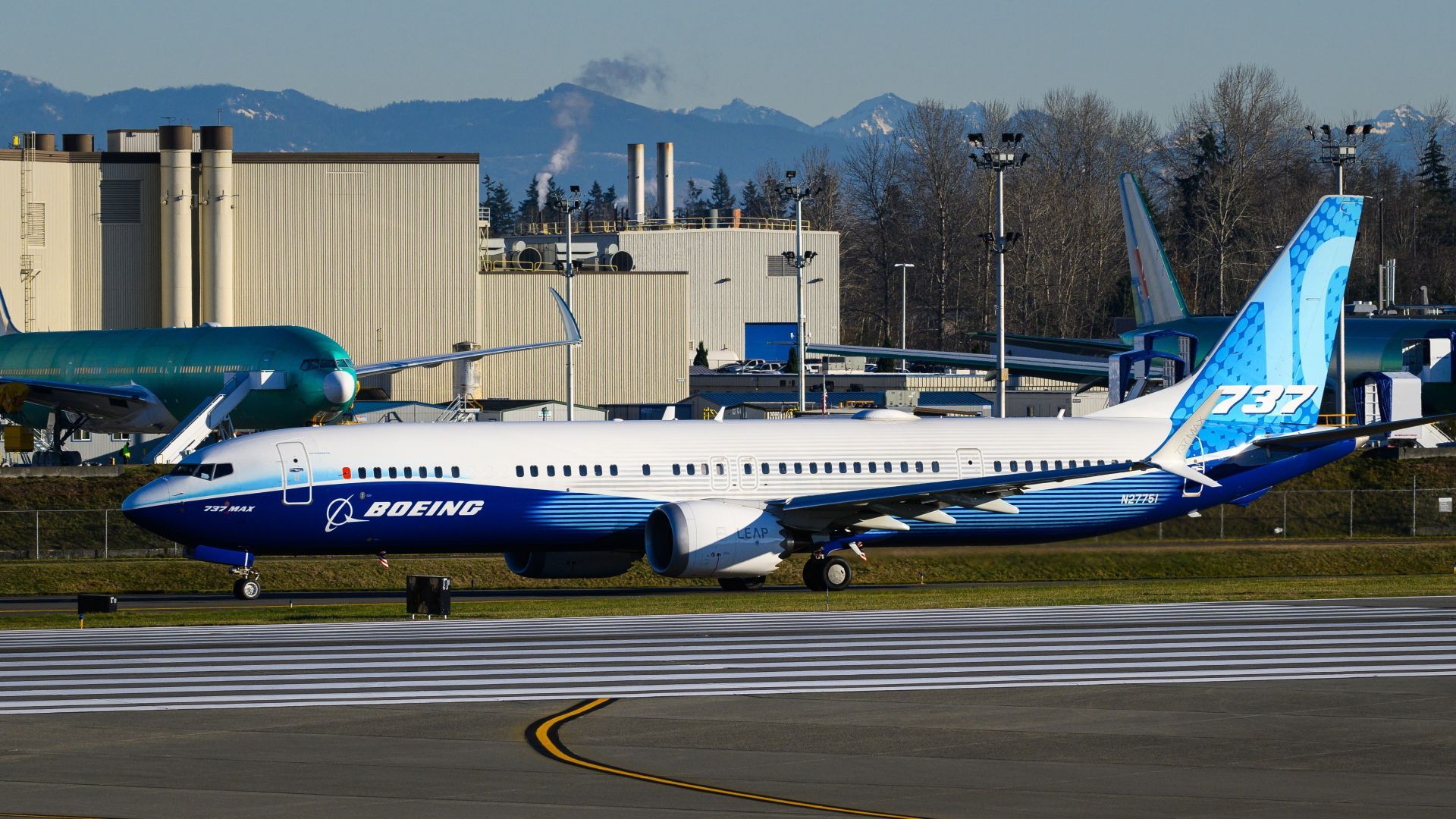
Boeing has finalized the design and engineering of a new engine anti-ice system for its 737 MAX aircraft. This significant development is now in the hands of the Federal Aviation Administration (FAA), as the company collaborates to establish a certification plan. The new anti-ice system will be available for new deliveries and will also be retrofitted to existing aircraft, paving the way for the long-delayed 737 MAX 7 and 737 MAX 10 variants to finally enter service.
Progress Towards Certification
The redesign of the engine anti-ice system comes after extensive research and testing by Boeing. The system is designed to direct air into the inlet cowl during icing conditions, preventing ice build-up. However, tests indicated potential thermal damage to the nacelle’s composite structure under prolonged use. Consequently, Boeing has spent years developing and refining various design solutions to mitigate this issue.
Boeing Commercial Airplanes President and CEO Stephanie Pope stated, “We’ve spent thousands of hours getting that design done. Now it’s defining the certification plan, getting the FAA to accept that certification plan.” This statement highlights the intensive effort behind the redesign and the meticulous process required for FAA approval.
The certification of the 737 MAX 7 and 737 MAX 10 variants has been delayed for years, primarily due to the anti-ice system. Boeing must now negotiate a comprehensive certification plan with the FAA, which will include rigorous scrutiny before granting approval. If approved, the certification will also enable a retrofit plan for the in-service 737 MAX 8 and 737 MAX 9 models.
Implications for Boeing’s Market Position
This announcement came during the Dubai Airshow 2025, an influential event in the aerospace industry where manufacturers seek significant aircraft orders. Although the redesign does not affect the in-production 737 MAX 8 and 737 MAX 9 variants, it represents a crucial step for the 737 MAX 7 and MAX 10, both of which have significant market implications.
The 737 MAX 10 is particularly important for Boeing, as it aims to compete directly with the popular Airbus A321neo. The 737 MAX 10 has garnered over 1,200 orders since its launch and is anticipated to enter service in 2027 with WestJet. The competitive economics of the aircraft make it a critical project for Boeing, especially as the A321neo has amassed over 7,000 orders, establishing itself as the most ordered jet-powered airliner variant ever.
While the 737 MAX 7 has received limited orders, mainly from Southwest Airlines, its certification remains essential to meet existing contracts. In contrast, the 737 MAX 10 is expected to yield higher margins, making it a priority for Boeing amidst rising competition.
With the completion of the anti-ice system’s redesign, Boeing aims to ramp up production to up to 42 737 MAX jets per month. This increase is vital for the company as it faces intensifying competition from Airbus in the narrow-body aircraft market. As the company prepares for the certification process, the successful introduction of the 737 MAX 7 and 737 MAX 10 could significantly enhance Boeing’s standing against its rival.

Sarasota County Acquires 3.59 Acres from WCIND – Urgent Update

Amazon Driver Caught Stealing Cat from Lakewood Family Home

Urgent Alert: CIOs Face Rare Earth Supply Risks Amid China Deal

Community Remembers Gail K. Wold, 87, for Her Lifelong Contributions

Trump Faces Backlash for Response to Rob Reiner’s Murder

Ancient Pottery Reveals Early Mathematical Concepts in Art

Celebrini Shines as Sharks Secure 6-3 Victory Over Flames

Coventry Restaurant Fined for Salmonella Outbreak in 2024

Asian Markets React as Trump Blocks Venezuelan Oil Tankers

University of Hawaiʻi Leads $25M AI Project to Monitor Natural Disasters

Interstellar Object 3I/ATLAS Emits Unique Metal Alloy, Says Scientist

Send Holiday Parcels for £1.99 with New Comparison Service

Researchers Achieve Fastest Genome Sequencing in Under Four Hours

Iconic Sand Dollar Social Club Listed for $3 Million in Folly Beach

Afghan Refugee Detained by ICE After Asylum Hearing in New York

McEwen Inc. Secures Tartan Lake Gold Mine Through Acquisition

Peptilogics Secures $78 Million to Combat Prosthetic Joint Infections

Jump for Good: San Clemente Pier Fundraiser Allows Legal Leaps
-
Science1 month ago
University of Hawaiʻi Leads $25M AI Project to Monitor Natural Disasters
-
 Science2 months ago
Interstellar Object 3I/ATLAS Emits Unique Metal Alloy, Says Scientist
-
 Lifestyle1 week ago
Send Holiday Parcels for £1.99 with New Comparison Service
-
 Science2 months ago
Researchers Achieve Fastest Genome Sequencing in Under Four Hours
-
 Business2 months ago
Iconic Sand Dollar Social Club Listed for $3 Million in Folly Beach
-
 Politics2 months ago
Afghan Refugee Detained by ICE After Asylum Hearing in New York
-
 Business2 months ago
McEwen Inc. Secures Tartan Lake Gold Mine Through Acquisition
-
 Health2 months ago
Peptilogics Secures $78 Million to Combat Prosthetic Joint Infections
-
 Lifestyle2 months ago
Jump for Good: San Clemente Pier Fundraiser Allows Legal Leaps
-

 Science2 months ago
Mars Observed: Detailed Imaging Reveals Dust Avalanche Dynamics
-

 Health2 months ago
Researcher Uncovers Zika Virus Pathway to Placenta Using Nanotubes
-

 Entertainment2 months ago
Jennifer Lopez Addresses A-Rod Split in Candid Interview