
World
Discover the 7 Largest U.S. Air Force Bases by Personnel Count

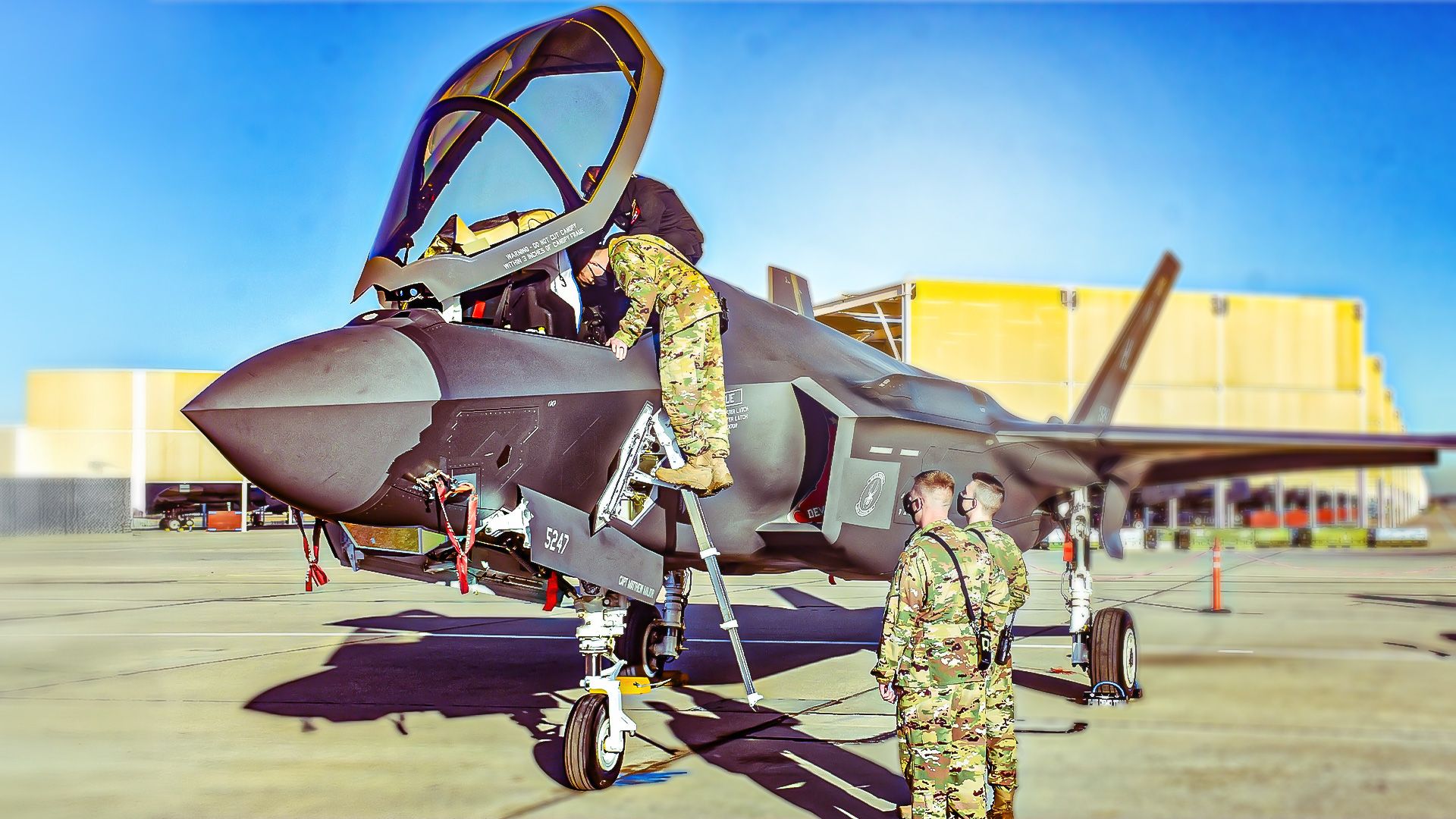
The United States Air Force (USAF) ranks third among the branches of the U.S. Armed Forces, with a troop count exceeding 300,000 active duty members. The USAF is surpassed only by the U.S. Army, which has over 450,000 personnel, and the U.S. Navy, with approximately 350,000. As a critical component of the Department of Defense, the Air Force operates from several large bases, each playing a vital role in national defense.
From logistics hubs to research facilities, these installations support various missions. Notably, the USAF became the highest-funded branch of the military, surpassing the Army in funding as of March 2025. This increased budget is aimed at enhancing the capabilities of these significant bases, many of which are shared with other military branches. Below is a detailed overview of the seven largest Air Force bases by troop population.
1. Joint Base San Antonio – 67,000 Personnel
Joint Base San Antonio (JBSA) is the largest Department of Defense installation in terms of personnel, comprising three major facilities: Fort Sam Houston, Lackland Air Force Base, and Randolph Air Force Base. Under the command of the USAF’s 502nd Air Base Wing, JBSA supports around 67,000 personnel, which includes approximately 32,000 active-duty military members, over 25,000 civilians, and nearly 12,000 National Guard and Reserve personnel.
JBSA-Lackland is the exclusive location for all Air Force enlisted Basic Military Training, training more than 80,000 students annually. Meanwhile, JBSA-Randolph serves as the headquarters for Air Education and Training Command, overseeing vital aviation training programs. The base also hosts the Sixteenth Air Force, responsible for the Air Force’s information warfare.
2. Joint Base Elmendorf-Richardson – 40,000 Personnel
Located in Anchorage, Alaska, Joint Base Elmendorf-Richardson (JBER) is a strategic hub for U.S. interests in the Arctic and Pacific regions. Formed in 2010 from the merger of Elmendorf Air Force Base and Fort Richardson, JBER supports a population of approximately 40,000, including 22,000 active-duty military members and 7,400 civilians.
JBER is home to the Alaska Command and the Alaskan NORAD Region, with F-22 aircraft frequently conducting interceptions in the region. The 3rd Wing, the principal operational unit at JBER, provides combat-ready airpower for the Indo-Pacific region, operating aircraft such as the Lockheed Martin F-22 Raptor and the Boeing C-17 Globemaster III.
3. Wright-Patterson Air Force Base – 38,000 Personnel
Wright-Patterson Air Force Base, situated near Dayton, Ohio, is one of the most vital installations in the USAF, with a workforce of around 38,000. This base serves as a significant center for research, development, and logistics, primarily through its civilian and contractor personnel.
As the headquarters for Air Force Materiel Command, Wright-Patterson is responsible for the lifecycle management of weapon systems. The base also houses the Air Force Research Laboratory, which focuses on scientific research and technology development, and the National Air and Space Intelligence Center, a primary source for analyzing foreign air and space threats.
4. Hill Air Force Base – 27,000 Personnel
Hill Air Force Base in Northern Utah is a critical installation for logistics and F-35 operations, employing around 27,000 personnel. The base plays a key role in worldwide logistics and maintenance for a variety of aircraft and weapon systems.
The Ogden Air Logistics Complex, the largest organization at Hill AFB, focuses on depot maintenance for advanced aircraft like the F-35 and F-22. The base also supports the Ground-Based Strategic Deterrent program, responsible for the next generation of intercontinental ballistic missiles.
5. Eglin Air Force Base – 20,000 Personnel
Eglin Air Force Base in Florida is the largest USAF installation by land area and focuses on the testing and development of conventional air-delivered weapons. The base supports a workforce of over 20,000 personnel, including military, civilian, and contractors.
The 96th Test Wing, the host unit, is responsible for testing all Air Force air-delivered weapons. Eglin also trains pilots and maintainers for the F-35 Lightning II through the 33rd Fighter Wing, supporting both Air Force and Navy personnel.
6. Nellis Air Force Base – 14,000 Personnel
Located just outside Las Vegas in Southern Nevada, Nellis Air Force Base is known for advanced combat aviation training. With a workforce of approximately 14,000, Nellis is home to the Air Force Warfare Center and manages large-scale training exercises.
The base operates the expansive Nevada Test and Training Range, which provides a unique environment for military testing and training. Nellis is recognized as the official home of the USAF Air Demonstration Squadron, the Thunderbirds.
7. Travis Air Force Base – 13,000 Personnel
Travis Air Force Base in Northern California, often referred to as the “Gateway to the Pacific,” is the busiest air terminal in the U.S. military. Hosting over 13,000 military and civilian personnel, Travis plays a vital role in providing rapid global mobility through airlift and refueling operations.
The 60th Air Mobility Wing operates an extensive fleet of aircraft, including the C-5 Galaxy and C-17 Globemaster III, to ensure global reach capabilities. The base also houses the David Grant USAF Medical Center, the premier hospital for the Air Force Medical Service.
Each of these bases contributes uniquely to the mission of the United States Air Force, highlighting their importance in the overall defense strategy of the nation. With increasing funding and evolving missions, these installations are set to play even more significant roles in future military operations.

Urgent Tax Savings Alert: Maximize Deductions Before April 15

Trump’s Administration Faces Uncertainty Over Government Shutdowns

Cosmic Defects: The Mystery of the Universe’s Missing Anomalies

Rapid City Parks Department Opens Registration for Bocce Leagues

Samsung Galaxy Watch 9 to Feature Larger 435mAh Battery Soon

Two Dead After Student Boats Capsize Off Okinawa Coast

Healthy Choice Wellness Reports Earnings with Mixed Results

Prince Harry Positions Himself as Royal Family’s Image Reviver

All Points North Lodge Achieves FSPHP-ETA Accreditation

Send Holiday Parcels for £1.99 with New Comparison Service

University of Hawaiʻi Leads $25M AI Project to Monitor Natural Disasters

Maui County Reopens Upgraded Lānaʻi Fifth Street Courts Today!

Daily Codeword Puzzle Launches on October 21, 2025

Congresswoman Under Fire for Misleading Epstein Donation Claims

Interstellar Object 3I/ATLAS Emits Unique Metal Alloy, Says Scientist

Trump Vows to Resolve Afghanistan-Pakistan Crisis “Very Quickly”

Charles Darwin’s Address Book Reveals Hidden Aspects of His Life

Rediscovering Chrysler: 5 Overlooked Models from the 1980s
-
 Lifestyle8 months ago
Send Holiday Parcels for £1.99 with New Comparison Service
-
Science9 months ago
University of Hawaiʻi Leads $25M AI Project to Monitor Natural Disasters
-
 Top Stories8 months ago
Maui County Reopens Upgraded Lānaʻi Fifth Street Courts Today!
-
 Entertainment10 months ago
Daily Codeword Puzzle Launches on October 21, 2025
-
 Lifestyle9 months ago
Congresswoman Under Fire for Misleading Epstein Donation Claims
-
 Science10 months ago
Interstellar Object 3I/ATLAS Emits Unique Metal Alloy, Says Scientist
-
 Top Stories9 months ago
Trump Vows to Resolve Afghanistan-Pakistan Crisis “Very Quickly”
-
 Science8 months ago
Charles Darwin’s Address Book Reveals Hidden Aspects of His Life
-
 Lifestyle8 months ago
Rediscovering Chrysler: 5 Overlooked Models from the 1980s
-

 Science7 months ago
Understanding Generation Z: Strategies for Engaging the Workforce
-

 Entertainment10 months ago
Kelly McCreary Discusses Future of Maggie and Winston in Grey’s Anatomy
-

 Top Stories8 months ago
aespa Faces Backlash Over G-Dragon Interaction at 2025 MAMAs