
World
Victoria’s Premier Apologizes to First Peoples for Colonial Wrongs

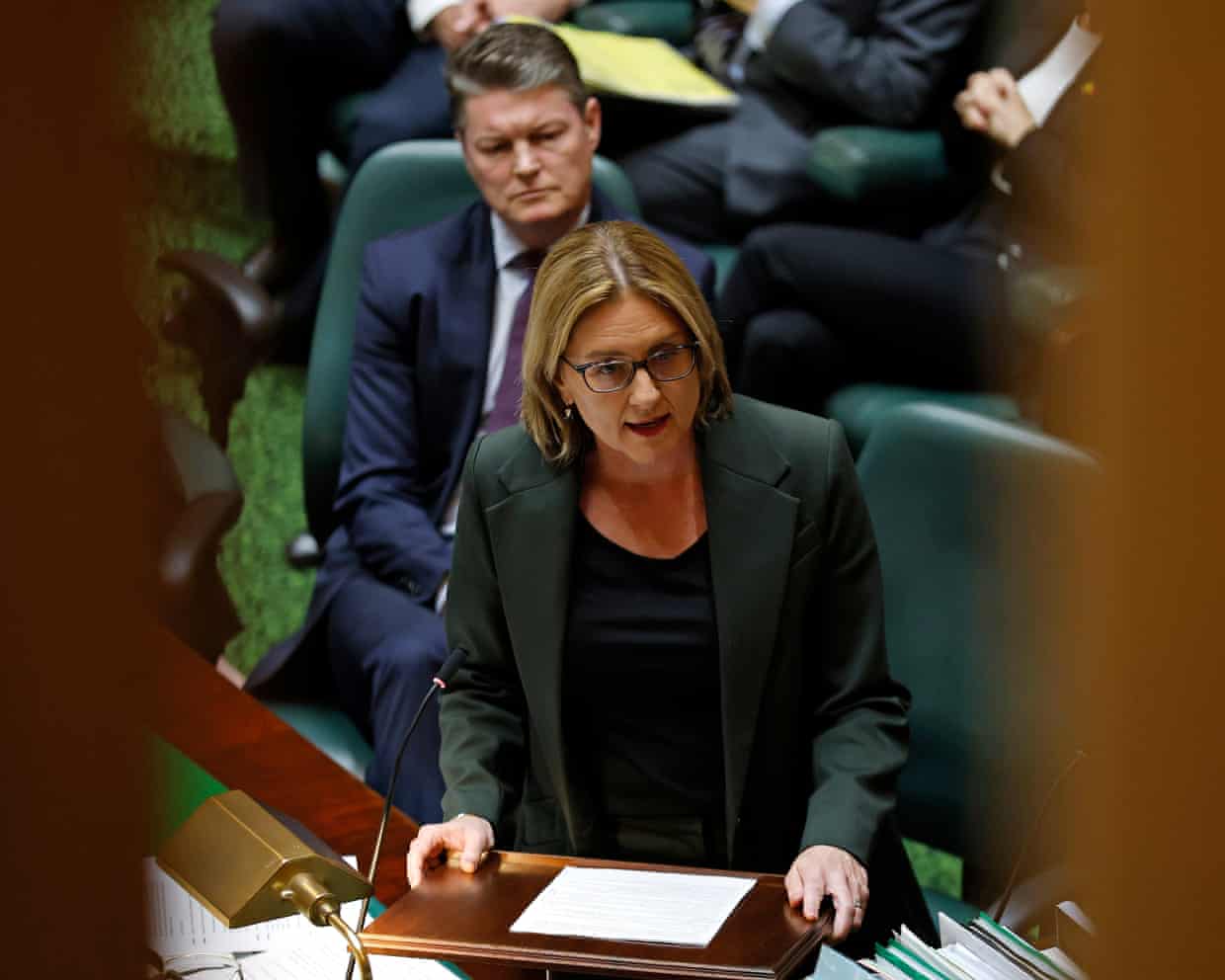
The government of Victoria, Australia, has issued a formal apology to the state’s Aboriginal population for historical injustices stemming from colonization. In a statement made before parliament on March 15, 2024, Premier Jacinta Allan acknowledged that the state and its predecessor colony had inflicted significant harm on Aboriginal communities through both actions and inactions.
In her address, Allan described the colonization of Victoria as “rapid and violent,” emphasizing how Aboriginal people were systematically dispossessed of their lands, languages, cultures, and children. “We acknowledge the harm inflicted on generations of First Peoples and mark the beginning of a new era, one that embraces truth, honours justice, and creates space for a shared future built in full view of the past,” she stated.
Allan’s apology is part of the ongoing treaty negotiation process, which aims to rectify historical grievances. She noted that many residents of Victoria were unaware of the extent of the injustices until the findings of the Yoorrook Justice Commission were made public. “Now that we have a statewide treaty—a negotiated agreement between equals—we can begin to say what should have been said long ago,” she remarked.
The Premier’s statement included a direct apology for various historical injustices, including laws that removed children, criminalized cultural practices, and erased languages. “For the laws, the policies, and the decisions of this Parliament and those that came before it that took land, removed children, and broke families, we say sorry,” she said.
The atmosphere in the chamber was charged with emotion as members of the Aboriginal community, including former Victorian treaty commissioner Jill Gallagher, witnessed the historic moment. Gallagher expressed that the apology was a critical step towards healing. “It means our people here in Victoria can start the healing process, to acknowledge all those bad things that happened to our communities,” she told Guardian Australia.
Many Aboriginal leaders, including Gunditjmara elder Uncle Mark Rose, attended the session. Rose highlighted the importance of the apology’s promise, stating, “It’s not just saying sorry; it’s about doing something about it.” The presence of over 300 First Nations individuals at the parliament, participating in a smoking ceremony, underscored the significance of the occasion.
The apology has garnered mixed reactions. The Victorian Liberal Party opposed the wording, particularly its connection to the treaty process, which they aim to dismantle if elected in 2026. Opposition leader Jess Wilson acknowledged past injustices but urged a more comprehensive approach to Aboriginal affairs.
In contrast, Labor MP Sheena Watt, the first Indigenous woman in the Victorian parliament, expressed both pride and sorrow during the event. She reflected on the impact of previous decisions made by the parliament, including the inability to speak her ancestral language. “Today is about recognizing that decisions made by this parliament all those years ago mean that I can’t do that,” she stated.
The apology serves as a pivotal moment in Victoria’s history, marking a commitment to confront the injustices of the past. It emphasizes that words alone are insufficient and that actions must follow to ensure a meaningful reconciliation process. Premier Allan concluded by stating, “Victoria will not look away. Not from the truth. Not from the work. Not from you.”
As the state embarks on this journey of healing, the promise of the treaty and the commitment to uphold justice remain at the forefront of the dialogue between the government and First Peoples. The legacy of past harms should guide future interactions, fostering a relationship built on respect and equality.

Urgent Tax Savings Alert: Maximize Deductions Before April 15

Trump’s Administration Faces Uncertainty Over Government Shutdowns

Cosmic Defects: The Mystery of the Universe’s Missing Anomalies

Rapid City Parks Department Opens Registration for Bocce Leagues

Samsung Galaxy Watch 9 to Feature Larger 435mAh Battery Soon

Two Dead After Student Boats Capsize Off Okinawa Coast

Healthy Choice Wellness Reports Earnings with Mixed Results

Prince Harry Positions Himself as Royal Family’s Image Reviver

All Points North Lodge Achieves FSPHP-ETA Accreditation

Send Holiday Parcels for £1.99 with New Comparison Service

University of Hawaiʻi Leads $25M AI Project to Monitor Natural Disasters

Maui County Reopens Upgraded Lānaʻi Fifth Street Courts Today!

Daily Codeword Puzzle Launches on October 21, 2025

Congresswoman Under Fire for Misleading Epstein Donation Claims

Interstellar Object 3I/ATLAS Emits Unique Metal Alloy, Says Scientist

Trump Vows to Resolve Afghanistan-Pakistan Crisis “Very Quickly”

Charles Darwin’s Address Book Reveals Hidden Aspects of His Life

Rediscovering Chrysler: 5 Overlooked Models from the 1980s
-
 Lifestyle8 months ago
Send Holiday Parcels for £1.99 with New Comparison Service
-
Science9 months ago
University of Hawaiʻi Leads $25M AI Project to Monitor Natural Disasters
-
 Top Stories8 months ago
Maui County Reopens Upgraded Lānaʻi Fifth Street Courts Today!
-
 Entertainment10 months ago
Daily Codeword Puzzle Launches on October 21, 2025
-
 Lifestyle9 months ago
Congresswoman Under Fire for Misleading Epstein Donation Claims
-
 Science10 months ago
Interstellar Object 3I/ATLAS Emits Unique Metal Alloy, Says Scientist
-
 Top Stories9 months ago
Trump Vows to Resolve Afghanistan-Pakistan Crisis “Very Quickly”
-
 Science8 months ago
Charles Darwin’s Address Book Reveals Hidden Aspects of His Life
-
 Lifestyle8 months ago
Rediscovering Chrysler: 5 Overlooked Models from the 1980s
-

 Science7 months ago
Understanding Generation Z: Strategies for Engaging the Workforce
-

 Entertainment10 months ago
Kelly McCreary Discusses Future of Maggie and Winston in Grey’s Anatomy
-

 Entertainment7 months ago
Landmark Shift as Iconic Anime Series Concludes After 26 Years