
World
UN Expert Calls for Reversal of Taliban Ban on Women at UN

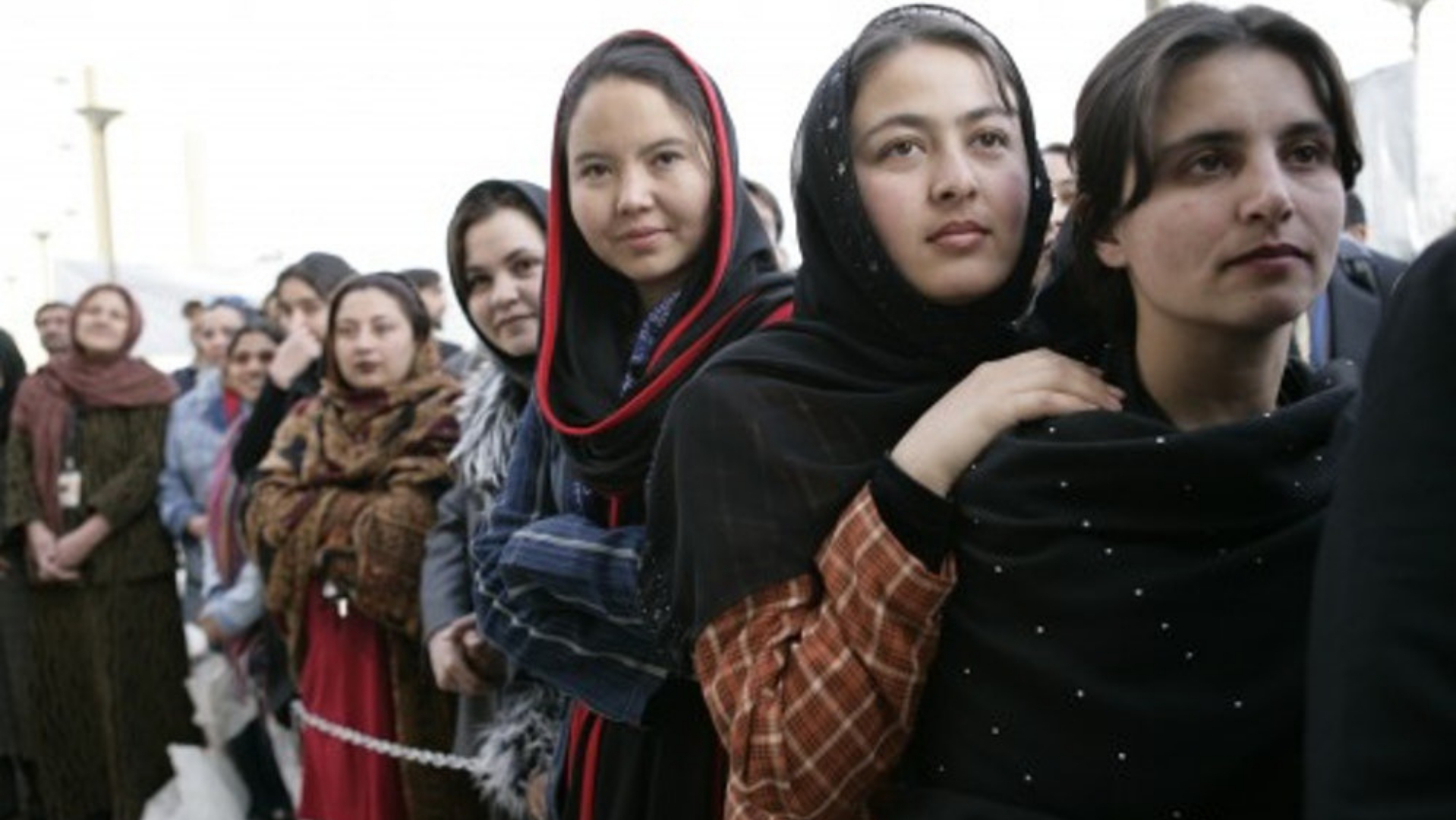
A United Nations expert has urged the Taliban to reverse its ban preventing Afghan women staff from entering UN premises in Afghanistan. This call comes in the wake of growing concerns about the implications of such measures on equality and human rights. According to Susan Ferguson, the UN Women Special Representative in Afghanistan, the restrictions jeopardize life-saving services, particularly following the recent earthquakes that struck eastern and northern regions of the country.
Ferguson highlighted that despite the ban, Afghan women workers and contractors have continued to provide critical support from their homes and communities. They have been instrumental in assisting returnees from Pakistan and Iran and addressing the urgent needs for food, clean water, and healthcare among women and children affected by the earthquakes. A significant earthquake, measuring 6.3 on the Richter scale, hit the Balkh and Samangan provinces in early November, resulting in over 25 fatalities and injuring more than 1,000 individuals.
The UN Charter, specifically Article 55(c), emphasizes the need for universal respect for human rights and fundamental freedoms without discrimination based on race, sex, language, or religion. Afghanistan, which joined the UN in 1946, is bound by these obligations. The situation for women in the country has deteriorated significantly since the Taliban regained power in 2021.
Richard Bennet, the UN Special Rapporteur on the situation of human rights in Afghanistan, criticized the Taliban for enacting legal measures that suppress women’s rights. He described these actions as a form of oppression that could amount to crimes against humanity. Bennet specifically condemned the dismissal of approximately 270 female judges, who were replaced by male counterparts as part of the regime’s hardline ideology.
In September, the Taliban authorities officially prohibited women from entering UN facilities in Kabul, the capital of Afghanistan. This decision was enforced by deploying security forces to ensure compliance. The ban has drawn severe criticism from human rights groups and the UN, which labeled it a serious violation of international norms regarding the privileges and immunities of the organization’s personnel.
The international community remains watchful of the unfolding situation in Afghanistan, as further restrictions on women’s rights continue to raise alarms. The UN has long upheld the principles set forth in the Genocide Convention, which was approved by the General Assembly on December 9, 1948. This foundational document seeks to prevent atrocities and uphold human dignity.
As the humanitarian crisis deepens in Afghanistan, the need for a collaborative effort to uphold human rights has never been more urgent. The implications of the Taliban’s policies not only affect women and children within the country but also challenge the global commitment to gender equality and human rights.

Urgent Tax Savings Alert: Maximize Deductions Before April 15

Trump’s Administration Faces Uncertainty Over Government Shutdowns

Cosmic Defects: The Mystery of the Universe’s Missing Anomalies

Rapid City Parks Department Opens Registration for Bocce Leagues

Samsung Galaxy Watch 9 to Feature Larger 435mAh Battery Soon

Two Dead After Student Boats Capsize Off Okinawa Coast

Healthy Choice Wellness Reports Earnings with Mixed Results

Prince Harry Positions Himself as Royal Family’s Image Reviver

All Points North Lodge Achieves FSPHP-ETA Accreditation

Send Holiday Parcels for £1.99 with New Comparison Service

University of Hawaiʻi Leads $25M AI Project to Monitor Natural Disasters

Maui County Reopens Upgraded Lānaʻi Fifth Street Courts Today!

Daily Codeword Puzzle Launches on October 21, 2025

Congresswoman Under Fire for Misleading Epstein Donation Claims

Interstellar Object 3I/ATLAS Emits Unique Metal Alloy, Says Scientist

Trump Vows to Resolve Afghanistan-Pakistan Crisis “Very Quickly”

Charles Darwin’s Address Book Reveals Hidden Aspects of His Life

Rediscovering Chrysler: 5 Overlooked Models from the 1980s
-
 Lifestyle8 months ago
Send Holiday Parcels for £1.99 with New Comparison Service
-
Science9 months ago
University of Hawaiʻi Leads $25M AI Project to Monitor Natural Disasters
-
 Top Stories8 months ago
Maui County Reopens Upgraded Lānaʻi Fifth Street Courts Today!
-
 Entertainment10 months ago
Daily Codeword Puzzle Launches on October 21, 2025
-
 Lifestyle9 months ago
Congresswoman Under Fire for Misleading Epstein Donation Claims
-
 Science10 months ago
Interstellar Object 3I/ATLAS Emits Unique Metal Alloy, Says Scientist
-
 Top Stories9 months ago
Trump Vows to Resolve Afghanistan-Pakistan Crisis “Very Quickly”
-
 Science8 months ago
Charles Darwin’s Address Book Reveals Hidden Aspects of His Life
-
 Lifestyle8 months ago
Rediscovering Chrysler: 5 Overlooked Models from the 1980s
-

 Science7 months ago
Understanding Generation Z: Strategies for Engaging the Workforce
-

 Entertainment10 months ago
Kelly McCreary Discusses Future of Maggie and Winston in Grey’s Anatomy
-

 Top Stories8 months ago
aespa Faces Backlash Over G-Dragon Interaction at 2025 MAMAs