
World
United States’ Major Airports Record Unprecedented Passenger Traffic

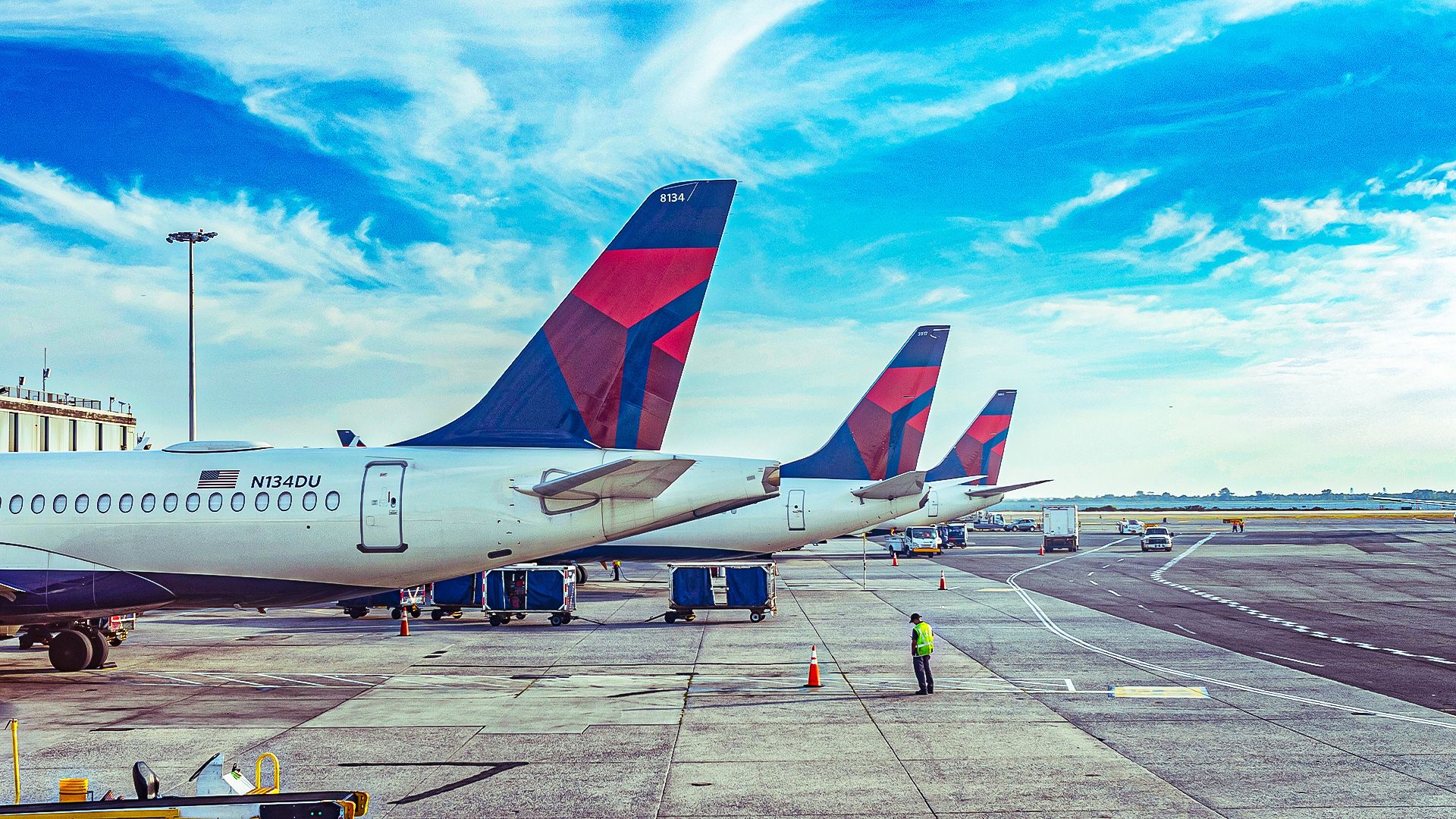
The United States aviation market remains the largest in the world, with over 900 million passengers flying commercially in 2024. This impressive figure eclipses China’s nearly 750 million passengers by a significant margin, highlighting the dominance of U.S. airports as key hubs for global air travel. As the year winds down, attention turns to the seven busiest airports, which together showcase the scale and efficiency of American air travel.
Top Hubs by Passenger Traffic
At the forefront is Hartsfield-Jackson Atlanta International Airport (ATL), which continues to set the standard for air travel. In 2024, ATL facilitated over 105 million passengers, making it the busiest airport in the world for passenger traffic since 1998, with the exception of 2020. The airport is the central hub for Delta Air Lines, which has its headquarters at ATL. Last year, the airport recorded around 800,000 flights, connecting travelers to over 150 domestic and 70 international destinations.
In second place, Dallas/Fort Worth International Airport (DFW) welcomed nearly 88 million passengers in 2024. DFW is not only a major U.S. hub but also ranks as the third-busiest airport globally. It offers a vast array of destinations, boasting the largest portfolio in North America with 269 total destinations, including 73 international locations. Currently, DFW is undergoing a significant expansion project called “DFW Forward,” aiming to add a new terminal and renovate existing facilities with an investment of up to $12 billion.
Following closely, Denver International Airport (DEN) has emerged as a key player in air travel. In 2024, it surpassed 80 million passengers, marking a remarkable growth trajectory. As the largest hub for United Airlines and the principal operating base for Southwest Airlines, DEN is positioned to become a leader in international traffic. With an area of 53 square miles, it is the largest airport in the U.S. by land area and features the longest public runway in North America at 16,000 feet.
Notable Airports on the Rise
The Chicago O’Hare International Airport (ORD) also stands out, having recorded over 80 million passengers in 2024. This airport serves as a dual mega hub for United and American Airlines, with a peak of 214 domestic destinations. O’Hare has the most active runways of any civilian airport globally, with eight runways currently in operation. Its historical significance dates back to its origins in World War II when it was initially named Orchard Field.
On the West Coast, Los Angeles International Airport (LAX) remains a bustling hub, accommodating over 75 million passengers. LAX is unique in that it hosts all three major legacy carriers: American, United, and Delta. With preparations underway for the 2028 Olympics, the airport is undergoing extensive renovations and expansions to enhance passenger experience and capacity.
Lastly, Charlotte Douglas International Airport (CLT) is making its mark with over 55 million passengers in 2024. As the second-largest hub for American Airlines, CLT is poised for further growth, with a significant $4 billion capital improvement program underway, aimed at expanding its facilities and services.
As air travel continues to evolve, these airports will play crucial roles in accommodating increasing passenger volumes and enhancing connectivity across the globe. The data for 2024 underscores the resilience and growth potential of the U.S. aviation industry, setting a benchmark for airports worldwide.

Urgent Tax Savings Alert: Maximize Deductions Before April 15

Trump’s Administration Faces Uncertainty Over Government Shutdowns

Cosmic Defects: The Mystery of the Universe’s Missing Anomalies

Rapid City Parks Department Opens Registration for Bocce Leagues

Samsung Galaxy Watch 9 to Feature Larger 435mAh Battery Soon

Two Dead After Student Boats Capsize Off Okinawa Coast

Healthy Choice Wellness Reports Earnings with Mixed Results

Prince Harry Positions Himself as Royal Family’s Image Reviver

All Points North Lodge Achieves FSPHP-ETA Accreditation

Send Holiday Parcels for £1.99 with New Comparison Service

University of Hawaiʻi Leads $25M AI Project to Monitor Natural Disasters

Maui County Reopens Upgraded Lānaʻi Fifth Street Courts Today!

Daily Codeword Puzzle Launches on October 21, 2025

Congresswoman Under Fire for Misleading Epstein Donation Claims

Interstellar Object 3I/ATLAS Emits Unique Metal Alloy, Says Scientist

Trump Vows to Resolve Afghanistan-Pakistan Crisis “Very Quickly”

Charles Darwin’s Address Book Reveals Hidden Aspects of His Life

Rediscovering Chrysler: 5 Overlooked Models from the 1980s
-
 Lifestyle8 months ago
Send Holiday Parcels for £1.99 with New Comparison Service
-
Science9 months ago
University of Hawaiʻi Leads $25M AI Project to Monitor Natural Disasters
-
 Top Stories8 months ago
Maui County Reopens Upgraded Lānaʻi Fifth Street Courts Today!
-
 Entertainment10 months ago
Daily Codeword Puzzle Launches on October 21, 2025
-
 Lifestyle9 months ago
Congresswoman Under Fire for Misleading Epstein Donation Claims
-
 Science10 months ago
Interstellar Object 3I/ATLAS Emits Unique Metal Alloy, Says Scientist
-
 Top Stories9 months ago
Trump Vows to Resolve Afghanistan-Pakistan Crisis “Very Quickly”
-
 Science8 months ago
Charles Darwin’s Address Book Reveals Hidden Aspects of His Life
-
 Lifestyle8 months ago
Rediscovering Chrysler: 5 Overlooked Models from the 1980s
-

 Science7 months ago
Understanding Generation Z: Strategies for Engaging the Workforce
-

 Entertainment10 months ago
Kelly McCreary Discusses Future of Maggie and Winston in Grey’s Anatomy
-

 Top Stories8 months ago
aespa Faces Backlash Over G-Dragon Interaction at 2025 MAMAs