
Politics
Understanding Emotional Residue: Letting Go of the Past

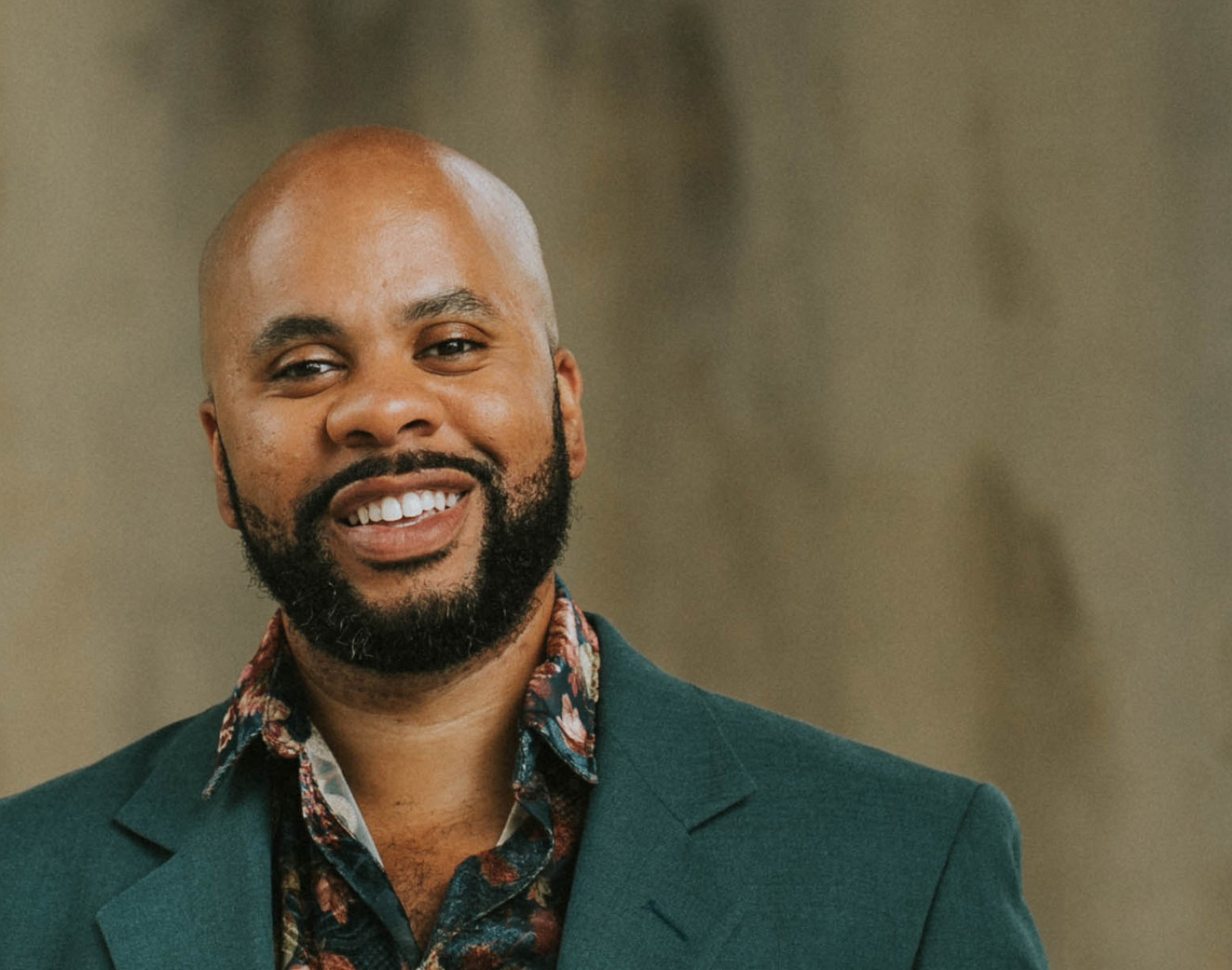
Two individuals have sought advice on managing complex emotional issues stemming from their past relationships and family dynamics. The guidance provided by columnist Eric Thomas emphasizes the importance of self-reflection and boundary-setting in navigating these challenges.
Addressing Lingering Memories
A letter from a reader known as Enough Already discusses the emotional impact of a past marriage that ended in divorce. After a brief reunion with his ex-wife, who had admitted to infidelity, he found himself unexpectedly revisiting memories when an old friend inquired about her life. Despite being happily married with children and grandchildren, he expressed concern about how these memories occupy his thoughts.
In response, Thomas suggests that the key to moving on is to confront the memories directly. He advises the reader to engage in a form of self-dialogue by questioning the presence of these thoughts. By asking, “What do you have to teach me?” he encourages a reflective process that could reveal feelings of unresolved issues. This approach promotes acceptance rather than resistance, allowing the individual to acknowledge the past as a part of their life story.
Ultimately, Thomas emphasizes that while all experiences shape who we are, they should not dominate our present lives. He encourages the reader to thank these memories for their role in shaping his journey and then release them, thus reclaiming mental space.
Setting Boundaries with Family
The second letter, from Not a Maid, highlights the frustrations of being the primary caregiver for a mother with dementia while feeling unsupported by her brother. She describes a pattern where her brother visits only once a year, often failing to engage meaningfully with their mother or offer assistance during visits. This has left her feeling overwhelmed and unappreciated, especially as she prepares for their visits.
Thomas acknowledges that caregiving can lead to feelings of isolation and resentment, particularly when family dynamics are skewed. He advises against cutting ties with her brother, as this could escalate tensions and create a narrative of division. Instead, he suggests establishing clear boundaries by communicating her needs directly. For instance, she could inform her brother that she will not be available to prepare for their visit, thereby reasserting her role and expectations.
By stating, “there’s a lot of work that goes into making life comfortable for mum,” she sets the stage for a more equitable family dynamic. This proactive stance may not eliminate the need for cleaning or preparation, but it could help in building a foundation for healthier interactions in the future.
Thomas concludes that while the solutions may not be perfect, they represent a step toward asserting one’s needs and fostering better family relationships. He encourages caregivers to remember that they do not have to give more than they are able and to prioritize their own well-being alongside their caregiving responsibilities.
In both cases, the underlying theme revolves around the importance of self-awareness and communication. By engaging with past experiences and family dynamics thoughtfully, individuals can foster healthier emotional landscapes and relationships.

Urgent Tax Savings Alert: Maximize Deductions Before April 15

Trump’s Administration Faces Uncertainty Over Government Shutdowns

Cosmic Defects: The Mystery of the Universe’s Missing Anomalies

Rapid City Parks Department Opens Registration for Bocce Leagues

Samsung Galaxy Watch 9 to Feature Larger 435mAh Battery Soon

Two Dead After Student Boats Capsize Off Okinawa Coast

Healthy Choice Wellness Reports Earnings with Mixed Results

Prince Harry Positions Himself as Royal Family’s Image Reviver

All Points North Lodge Achieves FSPHP-ETA Accreditation

Send Holiday Parcels for £1.99 with New Comparison Service

University of Hawaiʻi Leads $25M AI Project to Monitor Natural Disasters

Maui County Reopens Upgraded Lānaʻi Fifth Street Courts Today!

Interstellar Object 3I/ATLAS Emits Unique Metal Alloy, Says Scientist

Kelly McCreary Discusses Future of Maggie and Winston in Grey’s Anatomy

Daily Codeword Puzzle Launches on October 21, 2025

Congresswoman Under Fire for Misleading Epstein Donation Claims

Trump Vows to Resolve Afghanistan-Pakistan Crisis “Very Quickly”

Researchers Achieve Fastest Genome Sequencing in Under Four Hours
-
 Lifestyle4 months ago
Send Holiday Parcels for £1.99 with New Comparison Service
-
Science5 months ago
University of Hawaiʻi Leads $25M AI Project to Monitor Natural Disasters
-
 Top Stories4 months ago
Maui County Reopens Upgraded Lānaʻi Fifth Street Courts Today!
-
 Science6 months ago
Interstellar Object 3I/ATLAS Emits Unique Metal Alloy, Says Scientist
-
 Entertainment6 months ago
Kelly McCreary Discusses Future of Maggie and Winston in Grey’s Anatomy
-
 Entertainment6 months ago
Daily Codeword Puzzle Launches on October 21, 2025
-
 Lifestyle5 months ago
Congresswoman Under Fire for Misleading Epstein Donation Claims
-
 Top Stories6 months ago
Trump Vows to Resolve Afghanistan-Pakistan Crisis “Very Quickly”
-
 Science6 months ago
Researchers Achieve Fastest Genome Sequencing in Under Four Hours
-

 Business6 months ago
Iconic Sand Dollar Social Club Listed for $3 Million in Folly Beach
-

 Science5 months ago
Charles Darwin’s Address Book Reveals Hidden Aspects of His Life
-

 Politics6 months ago
Afghan Refugee Detained by ICE After Asylum Hearing in New York