
Health
Chicago Public Schools Achieve 95% Measles Vaccination Rate

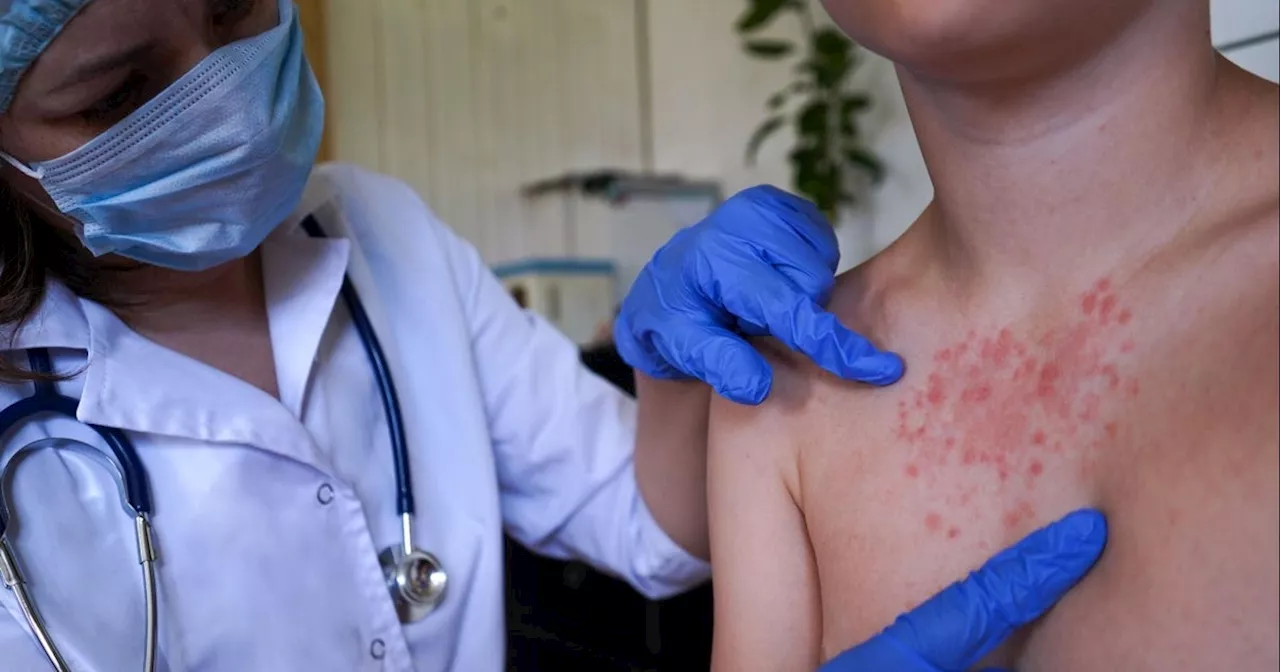
Recent data from Chicago Public Schools (CPS) indicates a significant improvement in measles vaccination rates among students, rising by 3% to reach the critical threshold of 95%. This figure is particularly important as it reflects a return to the level necessary for achieving herd immunity, which is vital for preventing outbreaks of the disease.
The rise in vaccination rates comes after years of decline, raising concerns among health officials about the potential for a measles resurgence. Dr. Payal Adhikari from Northwestern Children’s Practice emphasized the importance of this increase, stating, “It’s really important for us to vaccinate our kids against measles to prevent the disease and lifelong illness.”
The 95% target is essential for maintaining community immunity, a concept that signifies the protection of those who cannot be vaccinated due to medical reasons. Dr. Brian Borah, the medical director for vaccine-preventable disease surveillance at the Chicago Department of Public Health, expressed relief at the uptick in vaccination rates: “I’m really thankful and glad the numbers are improving, but of course that doesn’t mean our work has stopped.”
Concerns Over Previous Declines
Historically, measles was declared eradicated in the United States over 20 years ago. However, recent trends have shown a troubling decline in vaccination rates, particularly among kindergarteners. This has led to a resurgence of measles cases nationwide, prompting public health officials to issue warnings about the potential for outbreaks.
In 2024, CPS reported a drop in vaccination rates that raised alarms among health leaders. In response, health officials collaborated closely with CPS to implement strategies to improve immunization coverage. “We work extremely closely with CPS,” Dr. Borah noted, underscoring the ongoing efforts to bolster vaccination rates.
As the latest vaccination figures are released, the Centers for Disease Control is convening to discuss adjustments to childhood vaccine schedules and recommendations. The conversations come amid varying opinions on vaccination, including skepticism from figures such as Robert F. Kennedy, Jr., the Secretary of Health and Human Services.
Initiatives to Enhance Vaccination Rates
The Illinois Department of Public Health (IDPH) has undertaken several initiatives aimed at increasing vaccination rates in the past year, particularly for measles. In Spring 2025, as measles cases began to rise across the United States, IDPH launched a mobile vaccine service and developed public-facing dashboards to provide data on vaccination coverage at the school level.
“Over this past year, IDPH has launched several initiatives to bolster vaccination rates, especially for measles,” an official statement from IDPH noted. The agency is actively working on enhancing vaccine communication and access in partnership with various stakeholders, including local health departments and community organizations.
The message from health officials in Chicago remains clear: vaccines are safe, effective, and crucial for public health. “We’re a city that protects each other. We believe in science,” Dr. Borah stated, echoing the sentiments of many health advocates. Dr. Adhikari affirmed, “The science has proven over and over again they’re safe and they’re effective.”
As vaccination rates improve, the focus will continue to be on maintaining and enhancing these numbers to ensure the safety and health of children and the broader community. The commitment to public health remains a priority as officials work to prevent the resurgence of preventable diseases like measles.

Sen. Cruz Threatens Government Shutdown Over Military Flight Safety

Search Intensifies for Brown University Shooter After Tragedy

Urgent Search for Brown University Shooter Intensifies After Attack

Mapping Antarctic Seabird Breeding: Addressing ‘Absence’ and ‘Ignorance’

Jaxon Newton and Tyler Earn Athlete of the Week Honors

Ukraine Launches Underwater Drone Strike on Russian Submarine

Flour Chicks Bakery Thrives with Fresh Pastries and Local Charm

Nick Reiner Explores Addiction Through Film with “Being Charlie”

FDA Approves Addyi for Women Over 65 to Boost Libido

University of Hawaiʻi Leads $25M AI Project to Monitor Natural Disasters

Interstellar Object 3I/ATLAS Emits Unique Metal Alloy, Says Scientist

Researchers Achieve Fastest Genome Sequencing in Under Four Hours

Iconic Sand Dollar Social Club Listed for $3 Million in Folly Beach

Afghan Refugee Detained by ICE After Asylum Hearing in New York

McEwen Inc. Secures Tartan Lake Gold Mine Through Acquisition

Peptilogics Secures $78 Million to Combat Prosthetic Joint Infections

Jump for Good: San Clemente Pier Fundraiser Allows Legal Leaps

Mars Observed: Detailed Imaging Reveals Dust Avalanche Dynamics
-
Science1 month ago
University of Hawaiʻi Leads $25M AI Project to Monitor Natural Disasters
-
 Science2 months ago
Interstellar Object 3I/ATLAS Emits Unique Metal Alloy, Says Scientist
-
 Science2 months ago
Researchers Achieve Fastest Genome Sequencing in Under Four Hours
-
 Business2 months ago
Iconic Sand Dollar Social Club Listed for $3 Million in Folly Beach
-
 Politics2 months ago
Afghan Refugee Detained by ICE After Asylum Hearing in New York
-
 Business2 months ago
McEwen Inc. Secures Tartan Lake Gold Mine Through Acquisition
-
 Health2 months ago
Peptilogics Secures $78 Million to Combat Prosthetic Joint Infections
-
 Lifestyle2 months ago
Jump for Good: San Clemente Pier Fundraiser Allows Legal Leaps
-
 Science2 months ago
Mars Observed: Detailed Imaging Reveals Dust Avalanche Dynamics
-

 Health2 months ago
Researcher Uncovers Zika Virus Pathway to Placenta Using Nanotubes
-

 Entertainment2 months ago
Jennifer Lopez Addresses A-Rod Split in Candid Interview
-

 World2 months ago
US Passport Ranks Drop Out of Top 10 for First Time Ever