
World
Nicolás Maduro’s Unyielding Grip on Power in Venezuela

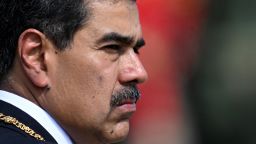
Nicolás Maduro, the president of Venezuela, has maintained his grip on power despite numerous challenges and predictions of his downfall. Initially underestimated, Maduro has transformed from a political outsider into a key figure in Venezuelan politics, navigating a landscape marked by economic turmoil, international sanctions, and widespread dissent.
In December 2012, just hours before his death, former president Hugo Chávez named Maduro as his successor. This endorsement set the stage for Maduro’s rise, despite limited support from within the United Socialist Party of Venezuela (PSUV). Critics initially mocked him for his linguistic slips and eccentric declarations, coining the term “maduradas” to describe his unusual decisions. However, he has proven resilient, surviving as the longest-serving leader in Latin America, with over **12 years in power**.
Maduro’s administration has faced significant challenges, including allegations of electoral fraud, human rights violations, and economic collapse. Since taking office, Venezuela has lost **72% of its economy**, and millions have fled the country, contributing to one of the largest displacement crises globally. Approximately **eight million** Venezuelans now live abroad, seeking better prospects.
The president’s relationship with Cuba has played a crucial role in his maintenance of power. Maduro has benefited from sustained support from the Cuban government, which has helped him manage internal dissent. His close ties with the Castros have allowed him to consolidate power within the PSUV, despite ongoing challenges from opposition leaders and civil unrest.
Contested Elections and Rising Tensions
Maduro’s electoral victories have often been marred by controversy. In the **April 2013 elections**, he narrowly defeated opposition leader Henrique Capriles, winning by just **1.59%** of the vote. This result raised suspicions among opposition parties, who have consistently questioned the legitimacy of Maduro’s administration. Subsequent elections in **2017, 2020, and 2024** faced similar critiques, with claims of repression and manipulation overshadowing the electoral process.
Despite these controversies, Maduro has maintained a firm grip on power. His administration has employed various tactics, including the strategic distribution of benefits within the party to stave off internal challenges. This approach has allowed him to navigate a complex political landscape while facing international scrutiny and harsh sanctions from the United States.
Opposition leaders, including **María Corina Machado** and **Edmundo González Urrutia**, have been vocal in their criticism of Maduro’s regime, which they argue lacks democratic legitimacy. Even leftist governments in neighboring countries like Colombia and Brazil have refused to recognize the results of the 2024 elections, reflecting a growing discontent with Maduro’s rule.
The Human Cost of Survival
The high human cost of Maduro’s survival strategy is evident in the increasing poverty and human rights violations within Venezuela. According to reports from the **United Nations** and the **International Criminal Court**, the Venezuelan government has systematically engaged in human rights abuses, including arbitrary detentions, torture, and extrajudicial killings.
Despite repeated allegations, Maduro’s government has dismissed the findings of international organizations, framing them as biased attacks from foreign adversaries. This anti-imperialist narrative has allowed him to consolidate power and maintain a level of support among his base, despite widespread suffering among the general population.
The Venezuelan economy, once one of the wealthiest in Latin America, has been devastated under Maduro’s stewardship, with oil revenues plummeting to just **20%** of their 2013 levels. The decline of **PDVSA**, the state oil company, has been compounded by years of mismanagement and external sanctions. While Maduro blames U.S. sanctions for the economic collapse, many analysts point to his government’s failure to invest in and manage the oil sector effectively.
As Maduro continues to navigate this complex web of challenges, he faces renewed military and diplomatic pressure, particularly from the United States. The current administration has implemented a series of sanctions aimed at undermining Maduro’s regime, while also increasing military presence in the region. The Venezuelan leader now stands at a crossroads, poised to confront the most significant threats to his authority yet.
The question remains whether Maduro can once again defy expectations and maintain his position amidst overwhelming pressure. His ability to adapt and respond to both internal and external challenges will determine not only his fate but also the future of Venezuela.

Chargers Eliminate Chiefs from Playoffs as Mahomes Injures Knee

Sen. Cruz Threatens Government Shutdown Over Military Flight Safety

Search Intensifies for Brown University Shooter After Tragedy

Urgent Search for Brown University Shooter Intensifies After Attack

Mapping Antarctic Seabird Breeding: Addressing ‘Absence’ and ‘Ignorance’

Jaxon Newton and Tyler Earn Athlete of the Week Honors

Ukraine Launches Underwater Drone Strike on Russian Submarine

Flour Chicks Bakery Thrives with Fresh Pastries and Local Charm

Nick Reiner Explores Addiction Through Film with “Being Charlie”

University of Hawaiʻi Leads $25M AI Project to Monitor Natural Disasters

Interstellar Object 3I/ATLAS Emits Unique Metal Alloy, Says Scientist

Researchers Achieve Fastest Genome Sequencing in Under Four Hours

Iconic Sand Dollar Social Club Listed for $3 Million in Folly Beach

Afghan Refugee Detained by ICE After Asylum Hearing in New York

McEwen Inc. Secures Tartan Lake Gold Mine Through Acquisition

Peptilogics Secures $78 Million to Combat Prosthetic Joint Infections

Mars Observed: Detailed Imaging Reveals Dust Avalanche Dynamics

Jump for Good: San Clemente Pier Fundraiser Allows Legal Leaps
-
Science1 month ago
University of Hawaiʻi Leads $25M AI Project to Monitor Natural Disasters
-
 Science2 months ago
Interstellar Object 3I/ATLAS Emits Unique Metal Alloy, Says Scientist
-
 Science2 months ago
Researchers Achieve Fastest Genome Sequencing in Under Four Hours
-
 Business2 months ago
Iconic Sand Dollar Social Club Listed for $3 Million in Folly Beach
-
 Politics2 months ago
Afghan Refugee Detained by ICE After Asylum Hearing in New York
-
 Business2 months ago
McEwen Inc. Secures Tartan Lake Gold Mine Through Acquisition
-
 Health2 months ago
Peptilogics Secures $78 Million to Combat Prosthetic Joint Infections
-
 Science2 months ago
Mars Observed: Detailed Imaging Reveals Dust Avalanche Dynamics
-
 Lifestyle2 months ago
Jump for Good: San Clemente Pier Fundraiser Allows Legal Leaps
-

 Health2 months ago
Researcher Uncovers Zika Virus Pathway to Placenta Using Nanotubes
-

 Entertainment2 months ago
Jennifer Lopez Addresses A-Rod Split in Candid Interview
-

 World2 months ago
US Passport Ranks Drop Out of Top 10 for First Time Ever